What does Deuteronomy 32:10-12 mean?
“He found him in a desert land, and in the waste howling wilderness; he led him about, he instructed him, he kept him as the apple of his eye. As an eagle stirreth up her nest, fluttereth over her young, spreadeth abroad her wings, taketh them, beareth them on her wings: So the LORD alone did lead him, and there was no strange god with him.” — Deuteronomy 32:10-12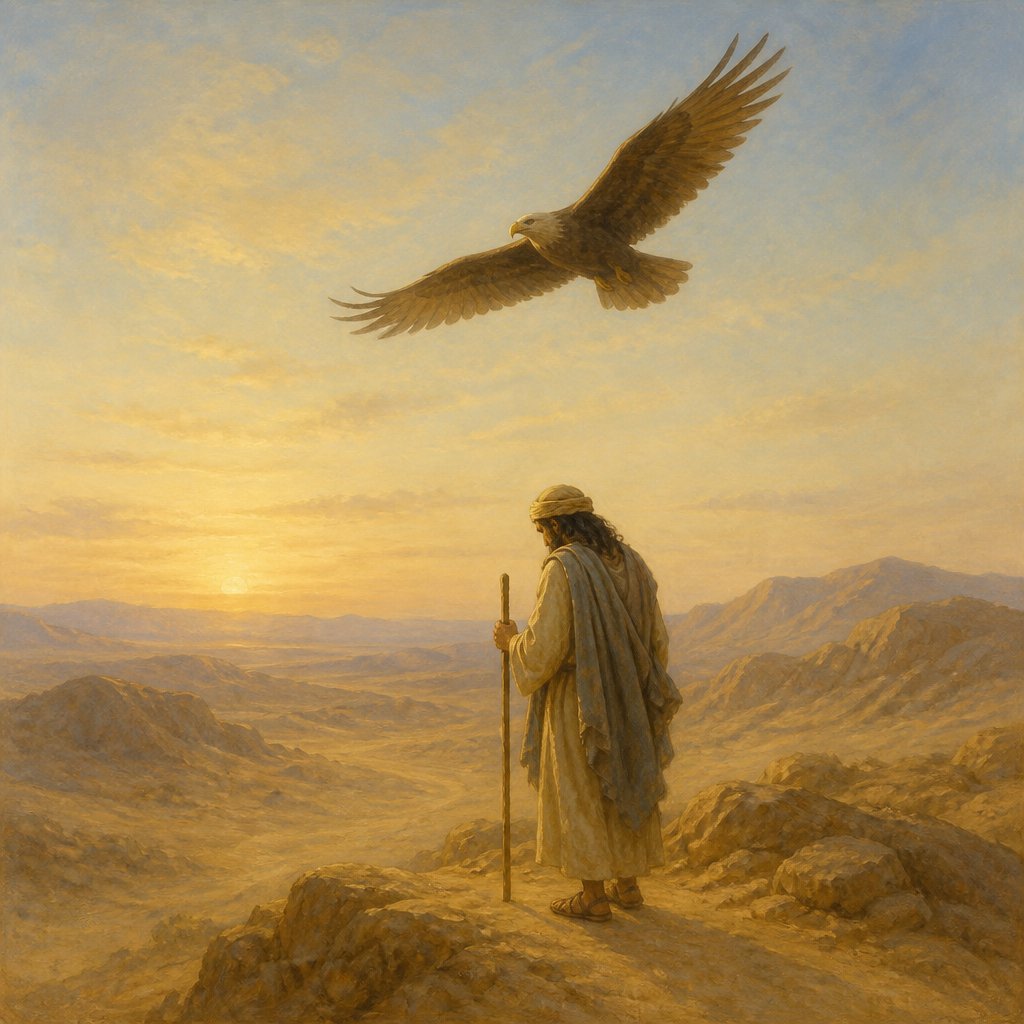
Deuteronomy 32:10-12 in the King James Version (KJV) reads:
“He found him in a desert land, and in the waste howling wilderness; he led him about, he instructed him, he kept him as the apple of his eye. As an eagle stirreth up her nest, fluttereth over her young, spreadeth abroad her wings, taketh them, beareth them on her wings: So the Lord alone did lead him, and there was no strange god with him.”
This passage from the book of Deuteronomy is part of a poetic song or poem known as the Song of Moses. This song is a solemn warning and a prophecy to the Israelites about their future disobedience and the consequences that would follow. The verses in question describe God’s care and protection for the Israelites as they journeyed through the wilderness.
The imagery in these verses is rich and evocative, helping to emphasize the themes of God’s watchful care and guidance for His people. The passage begins by describing how God found His people in a “desert land” and a “waste howling wilderness.” This language emphasizes the harsh and desolate conditions in which the Israelites were found, and yet, God still found them and cared for them. This sets the stage for the central message of the passage: that God’s love and protection are unwavering, even in the most difficult circumstances.
The phrase “he led him about, he instructed him, he kept him as the apple of his eye” highlights God’s active involvement in the lives of His people. The image of being kept as the apple of one’s eye conveys a sense of intimacy and closeness, as the apple of the eye is a highly sensitive and valued part of the body. This language underscores the deep care and affection that God has for the Israelites, as He leads them, instructs them, and protects them.
The following verses use powerful imagery to further illustrate God’s care for His people. Comparing God to an eagle, the passage describes how God stirs up His nest, hovers over His young, spreads His wings, and carries them on His wings. These actions reflect the protective and nurturing nature of God, as He watches over His people and provides them with strength and support.
The imagery of the eagle also carries with it deeper symbolism. In many cultures, the eagle is seen as a symbol of strength, courage, and freedom. By invoking the image of an eagle, the passage emphasizes God’s power and majesty, as well as His ability to lift His people up and carry them through challenging times. The eagle’s wings, in particular, symbolize protection and shelter, as well as the idea of being carried to safety.
These verses speak to a broader biblical theme of God’s faithfulness and care for His people. Throughout the Bible, God is portrayed as a loving and merciful God who watches over His children and guides them through difficult times. This theme is particularly prevalent in the Old Testament, as God leads the Israelites out of slavery in Egypt, through the wilderness, and into the promised land.
The context of the passage is also important to consider. The Song of Moses is attributed to the time when the Israelites were on the brink of entering the promised land. Moses, their leader, was preparing to pass the torch to Joshua, who would lead the Israelites into their new home. The song serves as a reminder of God’s faithfulness and a warning against turning away from Him.
In conclusion, Deuteronomy 32:10-12 contains powerful imagery and symbolism that convey the theme of God’s unwavering care and protection for His people. The imagery of a desert land, a howling wilderness, and an eagle’s wings all serve to illustrate God’s loving and watchful presence. This passage serves as a poignant reminder of God’s faithfulness and serves as a warning to the Israelites to remain faithful to Him. The themes of God’s guidance and protection are timeless and continue to resonate with believers today, reminding them of God’s constant care and provision.
Get our apps


Artwork for Deuteronomy 32:10-12

Deuteronomy 32:10-12 - "He found him in a desert land, and in the howling waste of the wilderness; he encircled him, he cared for him, he kept him as the apple of his eye. Like an eagle that stirs up its nest, that flutters over its young, spreading out its wings, catching them, bearing them on its pinions, the Lord alone guided him, no foreign god was with him."
"He found him in a desert land, and in the howling waste of the wilderness; he encircled him, he cared for him, he kept him as the apple of his eye. Like an eagle that stirs up its nest, that flutters over its young, spreading out its wings, catching them, bearing them on its pinions, the Lord alone guided him, no foreign god was with him." - Deuteronomy 32:10-12

Deuteronomy 32:12 - "So the LORD alone did lead him, and there was no strange god with him."

Deuteronomy 12:32 - "What thing soever I command you, observe to do it: thou shalt not add thereto, nor diminish from it."

"So the LORD alone did lead him, and there was no strange god with him." - Deuteronomy 32:12

Deuteronomy 32:10 - "He found him in a desert land, and in the waste howling wilderness; he led him about, he instructed him, he kept him as the apple of his eye."

Deuteronomy 32:42

Deuteronomy 32:41

Deuteronomy 32:43

Deuteronomy 32:43

Deuteronomy 32:32 - "For their vine is of the vine of Sodom, and of the fields of Gomorrah: their grapes are grapes of gall, their clusters are bitter:"

Deuteronomy 32:33 - "Their wine is the poison of dragons, and the cruel venom of asps."
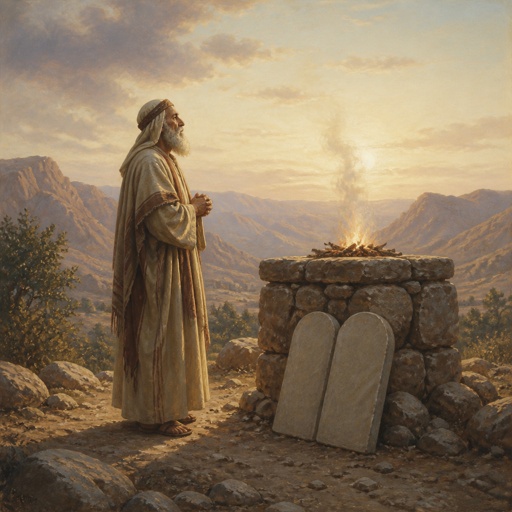
"What thing soever I command you, observe to do it: thou shalt not add thereto, nor diminish from it." - Deuteronomy 12:32

Deuteronomy 32:48 - "And the LORD spake unto Moses that selfsame day, saying,"

Deuteronomy 32:28 - "For they are a nation void of counsel, neither is there any understanding in them."

Deuteronomy 32:9 - "For the LORD'S portion is his people; Jacob is the lot of his inheritance."

Deuteronomy 32:45 - "And Moses made an end of speaking all these words to all Israel:"

Deuteronomy 1:32 - "Yet in this thing ye did not believe the LORD your God,"

Deuteronomy 32:37 - "And he shall say, Where are their gods, their rock in whom they trusted,"

Deuteronomy 32:29 - "O that they were wise, that they understood this, that they would consider their latter end!"

Deuteronomy 32:31 - "For their rock is not as our Rock, even our enemies themselves being judges."

Deuteronomy 32:34 - "Is not this laid up in store with me, and sealed up among my treasures?"

Deuteronomy 32:16 - "They provoked him to jealousy with strange gods, with abominations provoked they him to anger."

Deuteronomy 32:5 - "They have corrupted themselves, their spot is not the spot of his children: they are a perverse and crooked generation."

Deuteronomy 32:40 - "For I lift up my hand to heaven, and say, I live for ever."

"For their vine is of the vine of Sodom, and of the fields of Gomorrah: their grapes are grapes of gall, their clusters are bitter:" - Deuteronomy 32:32

Deuteronomy 32:18 - "Of the Rock that begat thee thou art unmindful, and hast forgotten God that formed thee."

Deuteronomy 32:3 - "Because I will publish the name of the LORD: ascribe ye greatness unto our God."

Deuteronomy 32:23 - "I will heap mischiefs upon them; I will spend mine arrows upon them."

Deuteronomy 2:32 - "Then Sihon came out against us, he and all his people, to fight at Jahaz."