What does Deuteronomy 32:36 mean?
“For the LORD shall judge his people, and repent himself for his servants, when he seeth that their power is gone, and there is none shut up, or left.” — Deuteronomy 32:36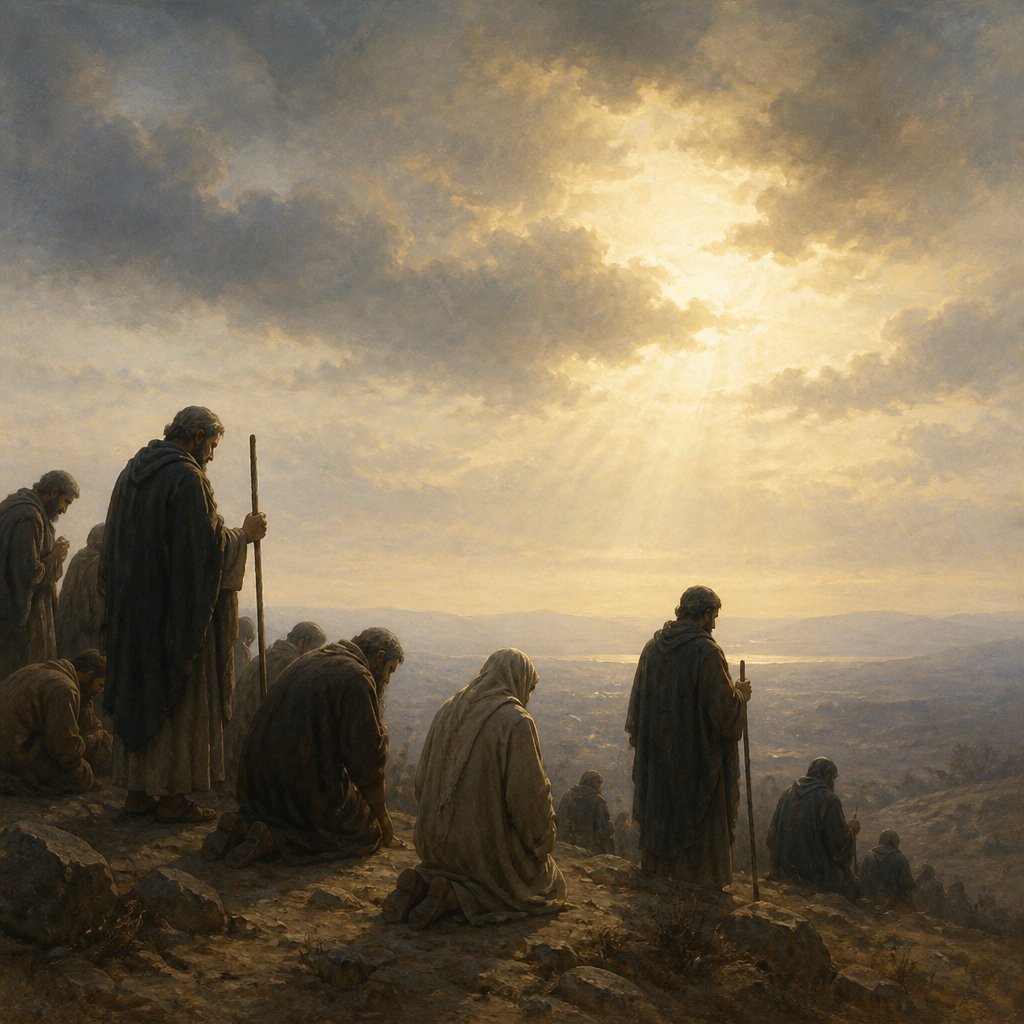
Deuteronomy 32:36 (KJV) states, "For the Lord shall judge his people, and repent himself for his servants, when he seeth that their power is gone, and there is none shut up, or left." This verse, found in the Old Testament of the Bible, specifically in the book of Deuteronomy, holds significant meaning and commentary within its passage.
The context of this verse is crucial in understanding its significance. Deuteronomy is often seen as a farewell address of Moses to the people of Israel before they enter the Promised Land. This verse comes from a song that Moses composed, which provides both a celebration of God’s past faithfulness and a warning of the consequences of turning away from God. In this song, Moses foretells the people’s unfaithfulness and rebellion, as well as the Lord’s response to their disobedience.
The theme of judgment and repentance is a central aspect of this verse. The verse begins with the declaration that "the Lord shall judge his people." This reflects the divine authority and sovereignty of God as the ultimate judge. In the biblical context, judgment often carries a dual meaning of discipline and restoration. In this verse, the judgment of God is not simply punitive, but a means of correcting and restoring his people.
Furthermore, the concept of repentance is integral to this verse. The phrase "repent himself for his servants" conveys the idea of God changing his course of action in response to the repentance of his people. This demonstrates the merciful and compassionate nature of God, who is willing to relent from judgment when his people turn back to him in genuine repentance.
The imagery of God "seeth that their power is gone, and there is none shut up, or left" underscores the dire circumstances that lead to God’s intervention. It suggests a state of weakness and vulnerability, where there is no one to offer help or refuge apart from God. This highlights the dependency of the people on God’s mercy and grace in times of distress.
Symbolism is also present in this verse, particularly in the portrayal of God as both a just judge and a compassionate redeemer. The juxtaposition of judgment and repentance conveys the tension between God’s righteousness and his love for his people. The motif of powerlessness and abandonment serves as a stark reminder of humanity’s reliance on God for deliverance and salvation.
In a broader theological interpretation, this verse encapsulates the overarching biblical narrative of God’s redemptive plan. It speaks to the cyclical pattern of disobedience, judgment, repentance, and restoration that is evident throughout the history of Israel and the broader narrative of humanity. The verse serves as a poignant reminder of God’s sovereignty and grace, as well as the consequences of straying from his will.
In conclusion, Deuteronomy 32:36 (KJV) encapsulates profound themes of judgment, repentance, and divine intervention. It offers a glimpse into the complex and dynamic relationship between God and his people, and underscores the pivotal role of repentance in invoking God’s mercy. The verse serves as a timeless reminder of the need for humility, obedience, and reliance on God in the face of adversity.
Get our apps


Artwork for Deuteronomy 32:36

Deuteronomy 32:36 - "For the LORD shall judge his people, and repent himself for his servants, when he seeth that their power is gone, and there is none shut up, or left."
"For the LORD shall judge his people, and repent himself for his servants, when he seeth that their power is gone, and there is none shut up, or left." - Deuteronomy 32:36

Deuteronomy 32:42

Deuteronomy 32:41

Deuteronomy 32:43

Deuteronomy 32:43

Deuteronomy 32:32 - "For their vine is of the vine of Sodom, and of the fields of Gomorrah: their grapes are grapes of gall, their clusters are bitter:"

Numbers 32:36 - "And Beth-nimrah, and Beth-haran, fenced cities: and folds for sheep."

Job 36:32 - "With clouds he covereth the light; and commandeth it not to shine by the cloud that cometh betwixt."

Genesis 36:32 - "And Bela the son of Beor reigned in Edom: and the name of his city was Dinhabah."

Exodus 36:32 - "And five bars for the boards of the other side of the tabernacle, and five bars for the boards of the tabernacle for the sides westward."

Deuteronomy 32:33 - "Their wine is the poison of dragons, and the cruel venom of asps."

Deuteronomy 32:48 - "And the LORD spake unto Moses that selfsame day, saying,"

Deuteronomy 32:28 - "For they are a nation void of counsel, neither is there any understanding in them."

Deuteronomy 32:9 - "For the LORD'S portion is his people; Jacob is the lot of his inheritance."

Deuteronomy 32:45 - "And Moses made an end of speaking all these words to all Israel:"

Deuteronomy 1:32 - "Yet in this thing ye did not believe the LORD your God,"

Deuteronomy 32:37 - "And he shall say, Where are their gods, their rock in whom they trusted,"

Deuteronomy 32:29 - "O that they were wise, that they understood this, that they would consider their latter end!"

Deuteronomy 32:31 - "For their rock is not as our Rock, even our enemies themselves being judges."

Deuteronomy 32:12 - "So the LORD alone did lead him, and there was no strange god with him."

Deuteronomy 32:34 - "Is not this laid up in store with me, and sealed up among my treasures?"

Deuteronomy 32:16 - "They provoked him to jealousy with strange gods, with abominations provoked they him to anger."

Deuteronomy 32:5 - "They have corrupted themselves, their spot is not the spot of his children: they are a perverse and crooked generation."

Deuteronomy 32:40 - "For I lift up my hand to heaven, and say, I live for ever."

"For their vine is of the vine of Sodom, and of the fields of Gomorrah: their grapes are grapes of gall, their clusters are bitter:" - Deuteronomy 32:32

Deuteronomy 32:18 - "Of the Rock that begat thee thou art unmindful, and hast forgotten God that formed thee."

Deuteronomy 32:23 - "I will heap mischiefs upon them; I will spend mine arrows upon them."

Deuteronomy 32:3 - "Because I will publish the name of the LORD: ascribe ye greatness unto our God."

Deuteronomy 2:32 - "Then Sihon came out against us, he and all his people, to fight at Jahaz."