What does Deuteronomy 3:5 mean?
“All these cities were fenced with high walls, gates, and bars; beside unwalled towns a great many.” — Deuteronomy 3:5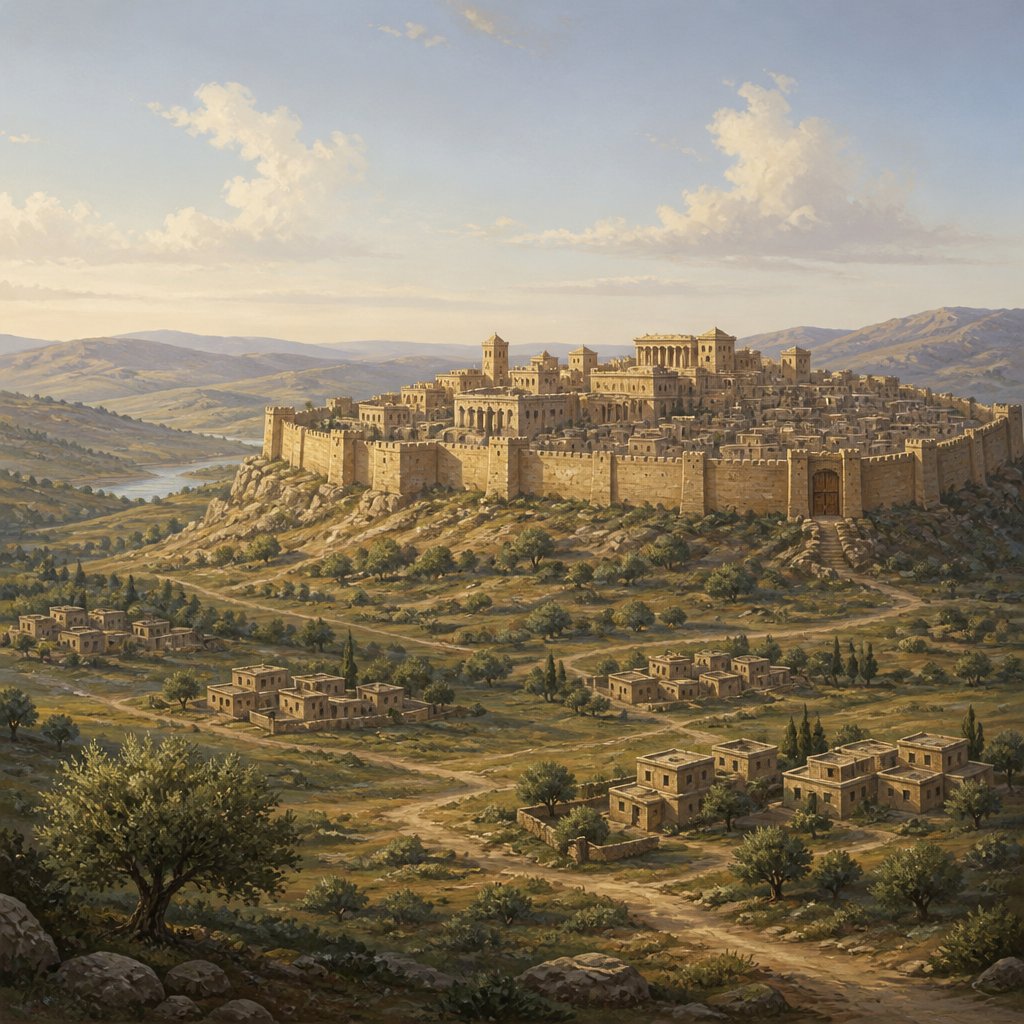
Deuteronomy 3:5 KJV: “All these cities were fenced with high walls, gates, and bars; beside unwalled towns a great many.”
The book of Deuteronomy is the fifth book of the Torah and is attributed to Moses, who is the narrator of the book. In this verse, Moses is recounting the conquest of the Amorite cities and the different types of fortifications they encountered in the land of Canaan. He describes how the cities were fortified with high walls, gates, and bars, as well as the presence of many unwalled towns.
The verse serves as a historical record of the Israelites’ military conquests as they made their way to the Promised Land. It highlights the challenges they faced in capturing and taking possession of the land that God had promised them. The emphasis on the cities being fenced with high walls, gates, and bars signifies the strength and power of the cities that the Israelites had to overcome. The unwalled towns, on the other hand, represent the smaller and less formidable obstacles they encountered along the way.
The theme of conquest and possession is a central theme in the book of Deuteronomy, as it reflects the fulfillment of God’s promise to the people of Israel. The verse also emphasizes the importance of perseverance, strength, and faith in the face of seemingly insurmountable challenges. It serves as a reminder to the Israelites of the victories they achieved with God’s help and the power of their faith.
The context of this verse is important for understanding its significance. The Israelites had been wandering in the wilderness for forty years after being delivered from slavery in Egypt. Now, on the brink of entering the Promised Land, they were facing a new set of challenges as they encountered the inhabitants of Canaan. The verse reflects the military strategy and strength of the cities they encountered, and the daunting task that lay ahead for them.
Symbolically, the high walls, gates, and bars can represent the obstacles and barriers that we face in our own lives. They can be physical, emotional, or spiritual challenges that seem insurmountable. However, like the Israelites, we are called to have faith in God and trust in His strength to help us overcome these obstacles. The unwalled towns symbolize the smaller, more manageable challenges that we encounter, reminding us that not all obstacles are created equal. Some may require more effort and faith to overcome than others.
The verse can also be seen as a metaphor for the spiritual warfare that believers face in their lives. Just as the Israelites had to conquer the fortified cities of Canaan, we too must stand firm against the strongholds of sin and doubt in our lives. The walls, gates, and bars can represent the strongholds of the enemy, while the unwalled towns represent the smaller temptations and struggles we encounter.
In conclusion, Deuteronomy 3:5 serves as a powerful reminder of the challenges we face in life and the importance of faith and perseverance in overcoming them. It highlights the historical context of the Israelites’ conquest of the Promised Land and the spiritual significance of their journey. It is a call to trust in God’s strength and to stand firm against the obstacles and barriers that we encounter on our own journey.
Get our apps


Artwork for Deuteronomy 3:5

Deuteronomy 3:5 - "All these cities were fenced with high walls, gates, and bars; beside unwalled towns a great many."
"All these cities were fenced with high walls, gates, and bars; beside unwalled towns a great many." - Deuteronomy 3:5

Deuteronomy 5:3 - "The LORD made not this covenant with our fathers, but with us, even us, who are all of us here alive this day."

Deuteronomy 5:2-3 - "The Lord our God made a covenant with us in Horeb. The Lord did not make this covenant with our fathers, but with us, those who are here today, all of us who are alive."
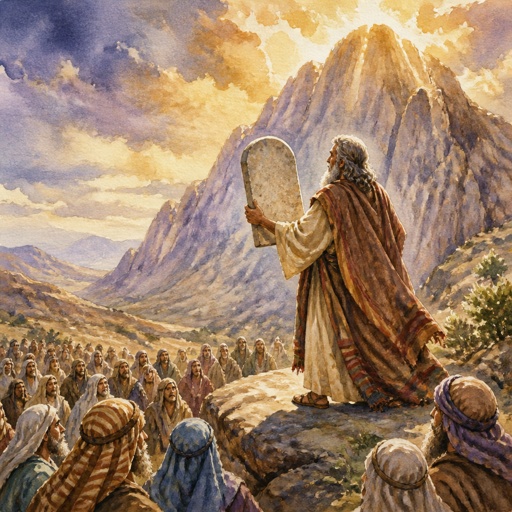
Deuteronomy 5 pictures

Deuteronomy 5:17 - "Thou shalt not kill."

Deuteronomy 34:5-6
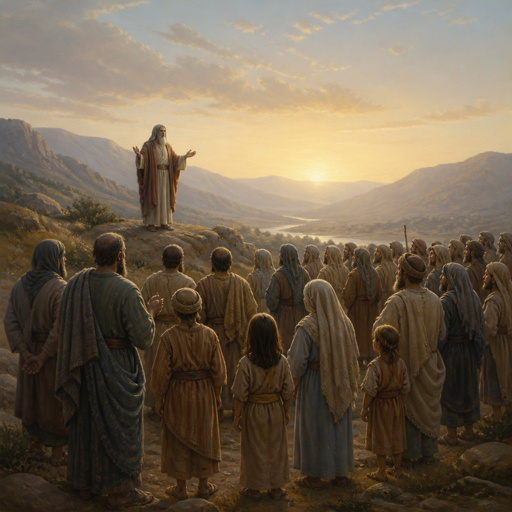
"The LORD made not this covenant with our fathers, but with us, even us, who are all of us here alive this day." - Deuteronomy 5:3

Deuteronomy 5:19 - "Neither shalt thou steal."

Deuteronomy 5:18 - "Neither shalt thou commit adultery."

Deuteronomy 28:5 - "Blessed shall be thy basket and thy store."

Deuteronomy 5:2 - "The LORD our God made a covenant with us in Horeb."

Deuteronomy 3:15 - "And I gave Gilead unto Machir."

Deuteronomy 3:23 - "And I besought the LORD at that time, saying,"
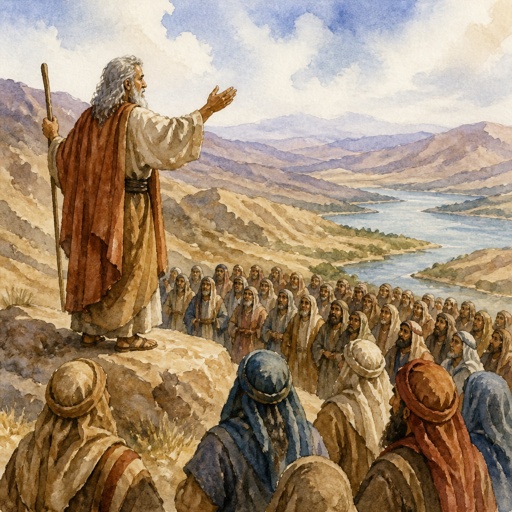
Moses addressing the people in Deuteronomy 3

Deuteronomy 5:30 - "Go say to them, Get you into your tents again."

Deuteronomy 14:3 - "¶ Thou shalt not eat any abominable thing."

"Thou shalt not kill." - Deuteronomy 5:17

Deuteronomy 5:7 - "Thou shalt have none other gods before me."

Deuteronomy 5:13 - "Six days thou shalt labour, and do all thy work:"

Deuteronomy 1:5 - "On this side Jordan, in the land of Moab, began Moses to declare this law, saying,"

Deuteronomy 5:5 - "(I stood between the LORD and you at that time, to shew you the word of the LORD: for ye were afraid by reason of the fire, and went not up into the mount;) saying,"
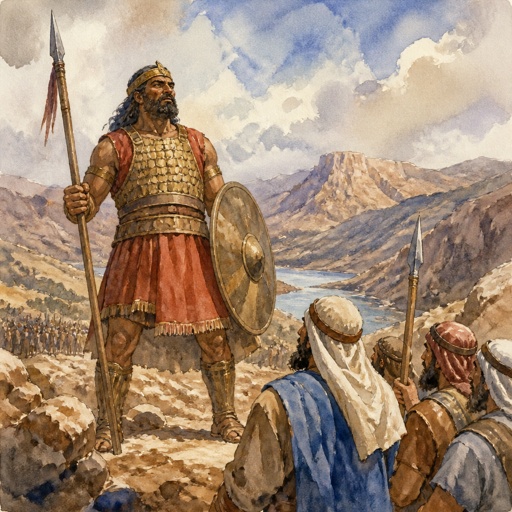
King Og Deuteronomy 3:1-11

Deuteronomy 5:20 - "Neither shalt thou bear false witness against thy neighbour."

Deuteronomy 5:4 - "The LORD talked with you face to face in the mount out of the midst of the fire,"

Deuteronomy 32:5 - "They have corrupted themselves, their spot is not the spot of his children: they are a perverse and crooked generation."

Deuteronomy 14:5 - "The hart, and the roebuck, and the fallow deer, and the wild goat, and the pygarg, and the wild ox, and the chamois."

Deuteronomy 5:10 - "And shewing mercy unto thousands of them that love me and keep my commandments."

Deuteronomy 5:12 - "Keep the sabbath day to sanctify it, as the LORD thy God hath commanded thee."

Deuteronomy 3:29 - "So we abode in the valley over against Beth-peor."