What does Deuteronomy 3:6 mean?
“And we utterly destroyed them, as we did unto Sihon king of Heshbon, utterly destroying the men, women, and children, of every city.” — Deuteronomy 3:6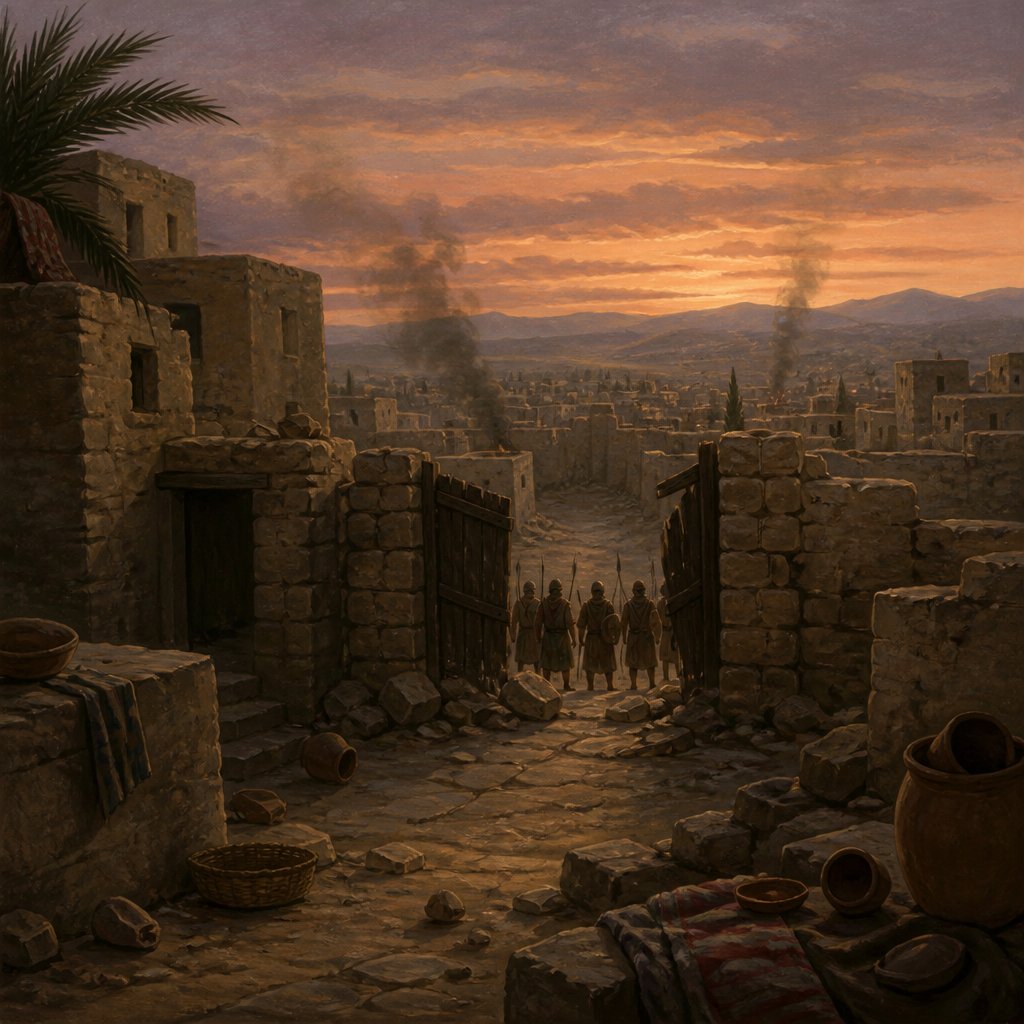
Deuteronomy 3:6 (KJV) reads, "And we utterly destroyed them, as we did unto Sihon king of Heshbon, utterly destroying the men, women, and children, of every city."
This verse comes from the book of Deuteronomy, which is the fifth book of the Hebrew Bible and the Christian Old Testament. It contains the final speeches of Moses to the Israelites, enshrining the laws and rituals that the Israelites are to follow upon entering the Promised Land.
The context of this verse is a recounting of the Israelites' conquests of the lands east of the Jordan River. Moses is reminding the people of their victories over the Amorite kings Sihon and Og, who ruled the regions of Heshbon and Bashan, respectively. The verse describes the complete destruction of these enemy forces, including men, women, and children, in every city they encountered.
The themes and symbolism of this verse are complex and challenging. On the surface, the verse seems to depict a harsh and brutal act of warfare, where an entire population, including innocent women and children, is wiped out. This raises difficult questions about the morality and ethics of such actions, especially for a people who are supposed to be following the word of a just and merciful God.
However, the verse can also be understood in a broader theological and moral context. The conquests and wars described in the Bible, including in the book of Deuteronomy, are often seen as symbolizing the struggle between good and evil, and the need for the Israelites to establish themselves in the land that God has promised to them. The idea of "utterly destroying" their enemies can be seen as a way of emphasizing the total commitment and dedication that the Israelites must have in following God's commandments and fulfilling His will.
In a spiritual sense, the verse can be seen as a call for the Israelites to rid themselves completely of the influence of the pagan cultures and practices that were prevalent among the Canaanite peoples. This interpretation emphasizes the need for spiritual purity and obedience to God's laws, even if it requires a decisive and definitive break from past ways of living.
In Christian interpretations, the verse can be seen as an allegory for the spiritual struggle against sin and temptation. The "utter destruction" of the Canaanite cities and their inhabitants can be likened to the need for believers to root out and eliminate the sinful tendencies and influences in their own lives, in order to fully embrace the teachings of Christ.
Ultimately, the verse challenges readers to grapple with difficult questions about the nature of warfare, justice, and the will of God. It serves as a reminder of the complexities and moral ambiguities that are often present in the Bible, and the need for thoughtful and nuanced interpretations of its teachings. While the language of "utterly destroying" may provoke discomfort and even outrage, it also invites deeper reflection on the profound moral and spiritual challenges that lie at the heart of the biblical narrative.
Get our apps


Artwork for Deuteronomy 3:6

Deuteronomy 3:6 - "And we utterly destroyed them, as we did unto Sihon king of Heshbon, utterly destroying the men, women, and children, of every city."
"And we utterly destroyed them, as we did unto Sihon king of Heshbon, utterly destroying the men, women, and children, of every city." - Deuteronomy 3:6

Deuteronomy 6:3 - "¶ Hear therefore, O Israel, and observe to do it; that it may be well with thee, and that ye may increase mightily, as the LORD God of thy fathers hath promised thee, in the land that floweth with milk and honey."

Deuteronomy 6:6 - "And these words, which I command thee this day, shall be in thine heart:"

Deuteronomy 34:5-6

Deuteronomy 3:15 - "And I gave Gilead unto Machir."

Deuteronomy 3:23 - "And I besought the LORD at that time, saying,"
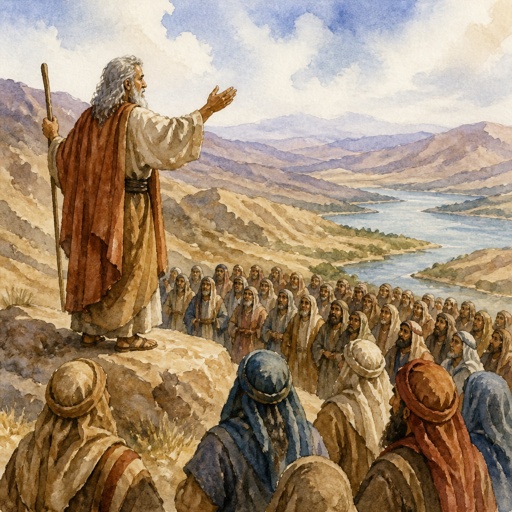
Moses addressing the people in Deuteronomy 3

Deuteronomy 14:3 - "¶ Thou shalt not eat any abominable thing."

Deuteronomy 6:4 - "Hear, O Israel: The LORD our God is one LORD:"

Deuteronomy 33:6 - "¶ Let Reuben live, and not die; and let not his men be few."
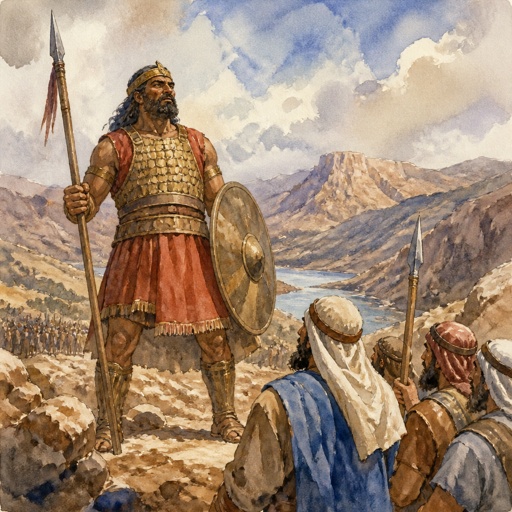
King Og Deuteronomy 3:1-11

Deuteronomy 3:29 - "So we abode in the valley over against Beth-peor."

Deuteronomy 3:7 - "But all the cattle, and the spoil of the cities, we took for a prey to ourselves."

Deuteronomy 28:3 - "Blessed shalt thou be in the city, and blessed shalt thou be in the field."

Deuteronomy 23:6 - "Thou shalt not seek their peace nor their prosperity all thy days for ever."

Deuteronomy 3:9 - "(Which Hermon the Sidonians call Sirion; and the Amorites call it Shenir;)"

Deuteronomy 6:16 - "¶ Ye shall not tempt the LORD your God, as ye tempted him in Massah."

Deuteronomy 6:9 - "And thou shalt write them upon the posts of thy house, and on thy gates."

Deuteronomy 34:3 - "And the south, and the plain of the valley of Jericho, the city of palm trees, unto Zoar."

Deuteronomy 6:19 - "To cast out all thine enemies from before thee, as the LORD hath spoken."

Deuteronomy 26:6 - "And the Egyptians evil entreated us, and afflicted us, and laid upon us hard bondage:"

Deuteronomy 2:3 - "Ye have compassed this mountain long enough: turn you northward."

"And these words, which I command thee this day, shall be in thine heart:" - Deuteronomy 6:6

Deuteronomy 24:6 - "¶ No man shall take the nether or the upper millstone to pledge: for he taketh a man's life to pledge."

Deuteronomy 6:13 - "Thou shalt fear the LORD thy God, and serve him, and shalt swear by his name."

Deuteronomy 6:14 - "Ye shall not go after other gods, of the gods of the people which are round about you;"

Deuteronomy 8:6 - "Therefore thou shalt keep the commandments of the LORD thy God, to walk in his ways, and to fear him."

Deuteronomy 29:3 - "The great temptations which thine eyes have seen, the signs, and those great miracles:"

Deuteronomy 3:22 - "Ye shall not fear them: for the LORD your God he shall fight for you."