What does Deuteronomy 3:9 mean?
“( Which Hermon the Sidonians call Sirion; and the Amorites call it Shenir;)” — Deuteronomy 3:9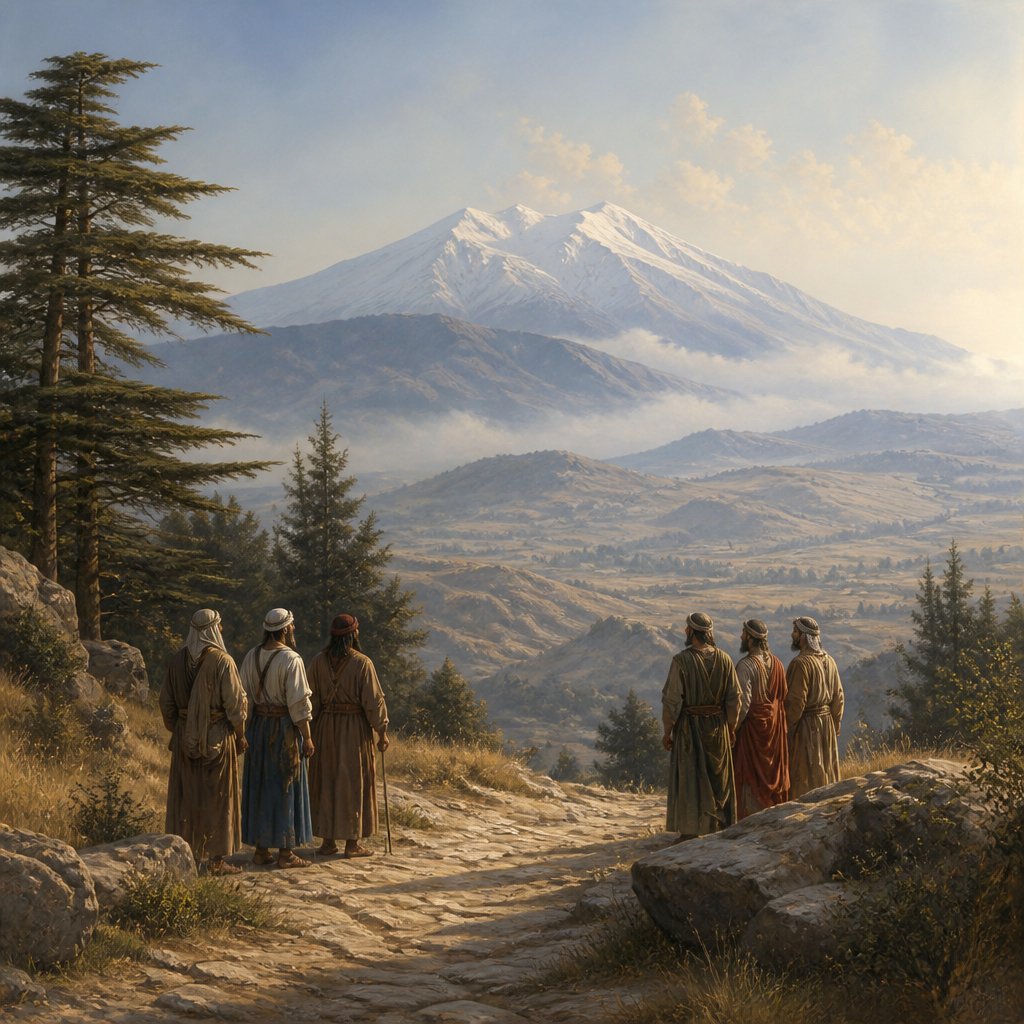
Deuteronomy 3:9 (KJV) states, “(Which Hermon the Sidonians call Sirion; and the Amorites call it Shenir;)”. This verse is part of a larger passage in the book of Deuteronomy, which is the fifth book of the Hebrew Bible and the Christian Old Testament. It is an important verse in the context of the Israelites’ conquest of the Promised Land, and it also holds significance in terms of the broader themes of the Bible such as the sovereignty of God, the significance of names, and the cultural and religious diversity of the ancient Near East.
The book of Deuteronomy is essentially a series of speeches that Moses delivers to the Israelites as they prepare to enter the Promised Land. Deuteronomy 3 specifically recounts the Israelites’ victory over King Og of Bashan and the subsequent allotment of land to the tribes of Reuben, Gad, and half of the tribe of Manasseh. The verse Deuteronomy 3:9 is a parenthetical statement in the midst of this account, mentioned as a means of explaining the alternate names for Mount Hermon.
The significance of this verse can be understood in the context of the broader narrative of the Israelites’ conquest of the Promised Land. Mount Hermon is a significant geographical feature in the region, and the fact that it is known by different names to different peoples underscores the cultural and religious diversity of the ancient Near East. The Sidonians and the Amorites, two distinct groups mentioned in the Bible, had their own names for the mountain, Sirion and Shenir, respectively. This cultural diversity was a reality in the ancient world, and the Bible acknowledges this by including these alternative names for Mount Hermon.
The theme of the significance of names is also apparent in this verse. In biblical times, names held deep meaning and often carried significant symbolic weight. The fact that Mount Hermon is known by different names to different groups of people reflects the idea that names are not fixed or absolute, but can be understood and interpreted in different ways depending on one’s perspective and cultural background. This theme of names and their fluidity is a recurring motif in the Bible, and it serves to reinforce the idea that language, identity, and meaning are complex and multi-faceted concepts.
Symbolically, Mount Hermon is also of great importance in the Bible. It is the highest mountain in the region and is often associated with divine and spiritual significance. In the Bible, Mount Hermon is mentioned as the northern border of the Promised Land, and it is believed to be the site of the transfiguration of Jesus in the New Testament. Its status as a majestic and awe-inspiring natural wonder underscores the idea of the grandeur and power of God, and it serves as a powerful symbol of the divine presence in the world.
In conclusion, Deuteronomy 3:9 is a verse that holds significant meaning in the broader context of the Bible. It serves to highlight the cultural and religious diversity of the ancient Near East, the significance of names in biblical narrative, and the symbolic importance of geographic landmarks such as Mount Hermon. By understanding this verse in its historical and thematic context, we can gain a deeper appreciation for the rich and complex tapestry of meaning present in the Bible.
Get our apps


Artwork for Deuteronomy 3:9

Deuteronomy 3:9 - "(Which Hermon the Sidonians call Sirion; and the Amorites call it Shenir;)"
"(Which Hermon the Sidonians call Sirion; and the Amorites call it Shenir;)" - Deuteronomy 3:9

Deuteronomy 3:15 - "And I gave Gilead unto Machir."

Deuteronomy 32:9 - "For the LORD'S portion is his people; Jacob is the lot of his inheritance."

Deuteronomy 3:23 - "And I besought the LORD at that time, saying,"
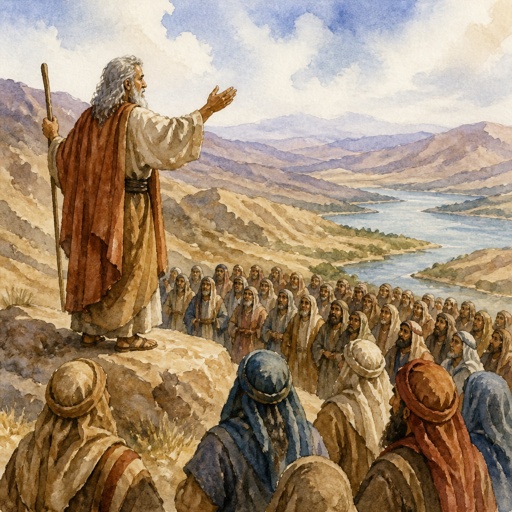
Moses addressing the people in Deuteronomy 3

Deuteronomy 9:22 - "And at Taberah, and at Massah, and at Kibroth-hattaavah, ye provoked the LORD to wrath."

Deuteronomy 14:3 - "¶ Thou shalt not eat any abominable thing."

Deuteronomy 6:9 - "And thou shalt write them upon the posts of thy house, and on thy gates."
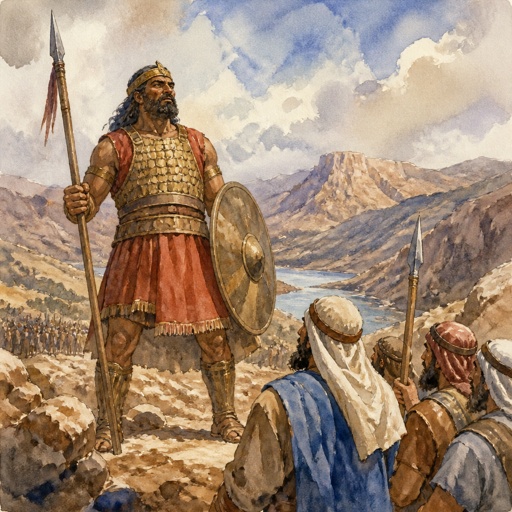
King Og Deuteronomy 3:1-11

Deuteronomy 3:29 - "So we abode in the valley over against Beth-peor."

Deuteronomy 3:7 - "But all the cattle, and the spoil of the cities, we took for a prey to ourselves."

Deuteronomy 28:3 - "Blessed shalt thou be in the city, and blessed shalt thou be in the field."

Deuteronomy 9:24 - "Ye have been rebellious against the LORD from the day that I knew you."

Deuteronomy 12:9 - "For ye are not as yet come to the rest and to the inheritance, which the LORD your God giveth you."

Deuteronomy 34:3 - "And the south, and the plain of the valley of Jericho, the city of palm trees, unto Zoar."

Deuteronomy 14:9 - "¶ These ye shall eat of all that are in the waters: all that have fins and scales shall ye eat:"

Deuteronomy 29:9 - "Keep therefore the words of this covenant, and do them, that ye may prosper in all that ye do."

Deuteronomy 2:3 - "Ye have compassed this mountain long enough: turn you northward."

Deuteronomy 1:9 - "¶ And I spake unto you at that time, saying, I am not able to bear you myself alone:"

Deuteronomy 9:20 - "And the LORD was very angry with Aaron to have destroyed him: and I prayed for Aaron also the same time."

Deuteronomy 9:8 - "Also in Horeb ye provoked the LORD to wrath, so that the LORD was angry with you to have destroyed you."

Deuteronomy 23:9 - "¶ When the host goeth forth against thine enemies, then keep thee from every wicked thing."
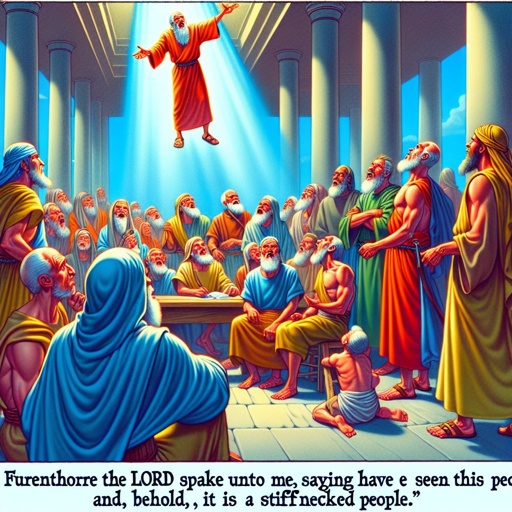
Deuteronomy 9:13 - "Furthermore the LORD spake unto me, saying, I have seen this people, and, behold, it is a stiffnecked people:"

Deuteronomy 26:9 - "And he hath brought us into this place, and hath given us this land, even a land that floweth with milk and honey."

Deuteronomy 29:3 - "The great temptations which thine eyes have seen, the signs, and those great miracles:"

Deuteronomy 3:22 - "Ye shall not fear them: for the LORD your God he shall fight for you."

Deuteronomy 9:27 - "Remember thy servants, Abraham, Isaac, and Jacob; look not unto the stubbornness of this people, nor to their wickedness, nor to their sin:"

Deuteronomy 32:3 - "Because I will publish the name of the LORD: ascribe ye greatness unto our God."

Deuteronomy 9:17 - "And I took the two tables, and cast them out of my two hands, and brake them before your eyes."