What does Deuteronomy 4:22 mean?
"But I must die in this land, I must not go over Jordan: but ye shall go over, and possess that good land." - Deuteronomy 4:22
Deuteronomy 4:22 (KJV) states, "But I must die in this land, I must not go over Jordan: but ye shall go over, and possess that good land."
This verse comes from the Book of Deuteronomy, which is the fifth book of the Hebrew Bible and the Christian Old Testament. Written by Moses, it is essentially a farewell speech and a reminder of God's laws and promises to the Israelites before they enter the Promised Land. Deuteronomy means "second law," and the book is a review and reiteration of the laws given to the Israelites in the previous books of the Torah.
In Deuteronomy 4:22, Moses acknowledges that he will not be able to enter the Promised Land with the Israelites. This is because of his disobedience to God earlier in the wilderness. Despite his incredible leadership and faithful service to God, Moses made a mistake when he struck the rock to bring forth water instead of speaking to it as God had commanded. This act of disobedience resulted in God's decree that Moses would not be allowed to enter the Promised Land. Instead, he would only be able to see it from a distance before his death.
This verse reflects the theme of obedience and consequences. It serves as a sobering reminder that even great leaders and servants of God are not exempt from the consequences of their actions. Moses' inability to enter the Promised Land serves as a cautionary tale for the Israelites and for readers today. It underscores the importance of obedience and faithfulness to God's commands, as well as the serious repercussions of disobedience.
The context of this verse is significant for understanding its deeper meaning. Throughout the Book of Deuteronomy, Moses repeatedly emphasizes the importance of following God's laws and remaining faithful to Him. He recounts key events in the Israelites' history, such as the exodus from Egypt and the giving of the Ten Commandments, to remind the people of God's faithfulness and their obligations to Him.
The symbolism in this verse is powerful and multi-layered. On one level, Moses' exclusion from the Promised Land represents the tragic consequence of disobedience. However, it also serves as a symbol of the limitations of human leadership and the ultimate authority of God. No matter how influential or revered a leader may be, they are ultimately subject to God's will and justice.
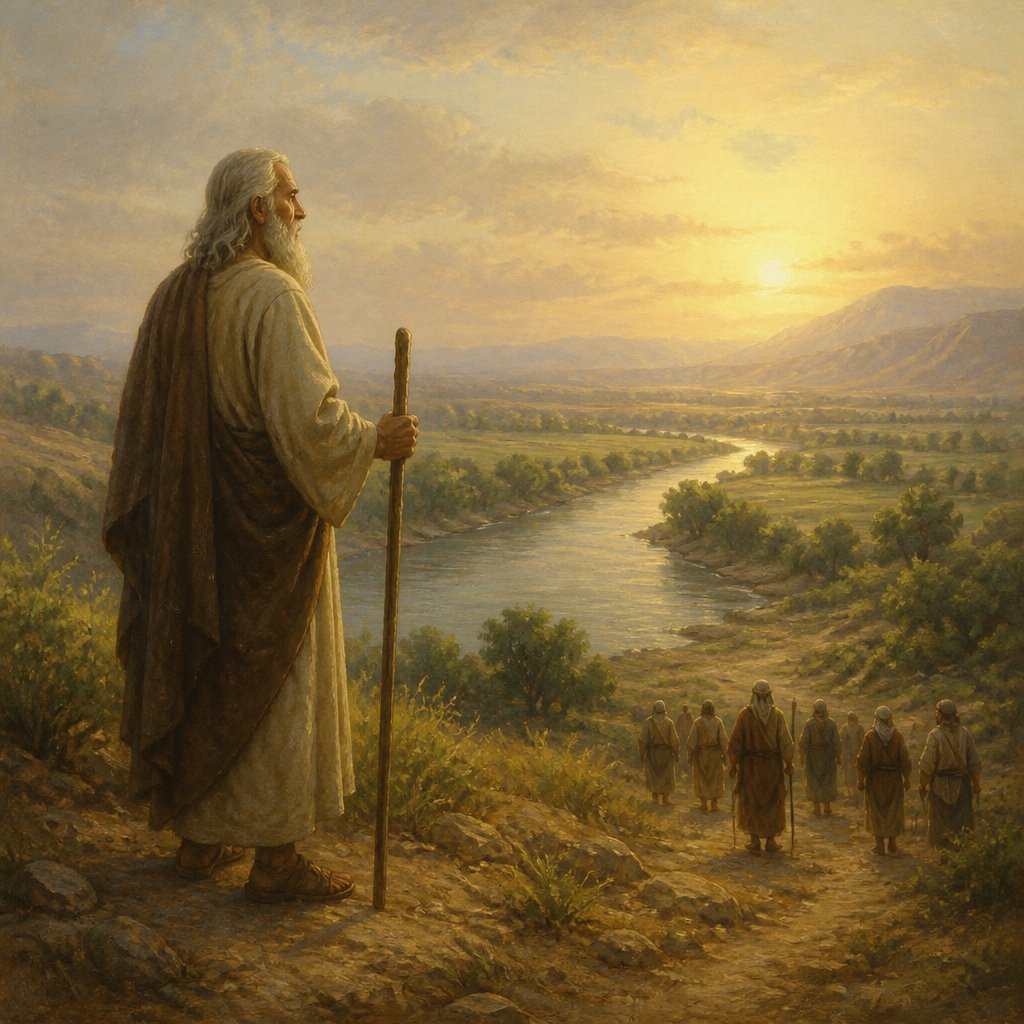
Furthermore, the image of Moses gazing upon the Promised Land from a distance holds symbolic significance. It represents the fulfillment of God's promises despite personal setbacks and disappointments. It also foreshadows the future entry of the Israelites into the land, as well as the continuation of God's covenant with them.
Overall, Deuteronomy 4:22 carries profound meaning and relevance for believers today. It reminds us of the importance of obedience and faithfulness to God, as well as the sobering reality of consequences for disobedience. It also offers hope and encouragement by highlighting God's faithfulness and the fulfillment of His promises. It serves as a timeless reminder of the complexities of human leadership and the overarching authority of God in the lives of His people.
Have questions about Deuteronomy 4:22?
Dive deeper into this scripture with Bible Chat — an AI-powered tool for exploring God's Word through conversation. Ask questions, get context, and grow in your understanding of the Bible.
Get Our Apps


Deuteronomy 4:22 Artwork
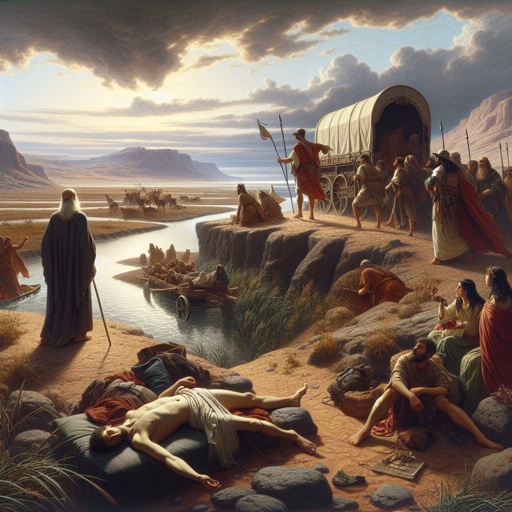
Deuteronomy 4:22 - "But I must die in this land, I must not go over Jordan: but ye shall go over, and possess that good land."
"But I must die in this land, I must not go over Jordan: but ye shall go over, and possess that good land." - Deuteronomy 4:22

Deuteronomy 22:4 - "¶ Thou shalt not see thy brother's ass or his ox fall down by the way, and hide thyself from them: thou shalt surely help him to lift them up again."

Deuteronomy 22:20 - "But if this thing be true, and the tokens of virginity be not found for the damsel:"

Deuteronomy 22:10 - "¶ Thou shalt not plow with an ox and an ass together."

Deuteronomy 22:18 - "And the elders of that city shall take that man and chastise him;"

Deuteronomy 23:22 - "But if thou shalt forbear to vow, it shall be no sin in thee."

Deuteronomy 9:22 - "And at Taberah, and at Massah, and at Kibroth-hattaavah, ye provoked the LORD to wrath."

Deuteronomy 22:11 - "¶ Thou shalt not wear a garment of divers sorts, as of woollen and linen together."

Deuteronomy 22:13 - "¶ If any man take a wife, and go in unto her, and hate her,"

Deuteronomy 31:22 - "¶ Moses therefore wrote this song the same day, and taught it the children of Israel."

Deuteronomy 22:27 - "For he found her in the field, and the betrothed damsel cried, and there was none to save her."

Deuteronomy 26:4-10

Deuteronomy 22:23 - "¶ If a damsel that is a virgin be betrothed unto an husband, and a man find her in the city, and lie with her;"

Deuteronomy 3:22 - "Ye shall not fear them: for the LORD your God he shall fight for you."

Deuteronomy 33:22 - "¶ And of Dan he said, Dan is a lion's whelp: he shall leap from Bashan."

Deuteronomy 26:4-10

Deuteronomy 22:22 - "¶ If a man be found lying with a woman married to an husband, then they shall both of them die, both the man that lay with the woman, and the woman: so shalt thou put away evil from Israel."

Deuteronomy 22:30 - "¶ A man shall not take his father's wife, nor discover his father's skirt."

Deuteronomy 22:28 - "¶ If a man find a damsel that is a virgin, which is not betrothed, and lay hold on her, and lie with her, and they be found;"

Deuteronomy 4:4 - "But ye that did cleave unto the LORD your God are alive every one of you this day."

Deuteronomy 14:22 - "Thou shalt truly tithe all the increase of thy seed, that the field bringeth forth year by year."

Deuteronomy 16:22 - "Neither shalt thou set thee up any image; which the LORD thy God hateth."

Deuteronomy 21:22 - "¶ And if a man have committed a sin worthy of death, and he be to be put to death, and thou hang him on a tree:"

Deuteronomy 22:12 - "¶ Thou shalt make thee fringes upon the four quarters of thy vesture, wherewith thou coverest thyself."

"But if this thing be true, and the tokens of virginity be not found for the damsel:" - Deuteronomy 22:20

Deuteronomy 15:22 - "Thou shalt eat it within thy gates: the unclean and the clean person shall eat it alike, as the roebuck, and as the hart."

Deuteronomy 24:22 - "And thou shalt remember that thou wast a bondman in the land of Egypt: therefore I command thee to do this thing."

Deuteronomy 34:1-4 – Moses views the Promised Land from Mount Nebo.

Deuteronomy 34:1-4 – Moses views the Promised Land from Mount Nebo.