What does Deuteronomy 4:11 mean?
"And ye came near and stood under the mountain; and the mountain burned with fire unto the midst of heaven, with darkness, clouds, and thick darkness." - Deuteronomy 4:11
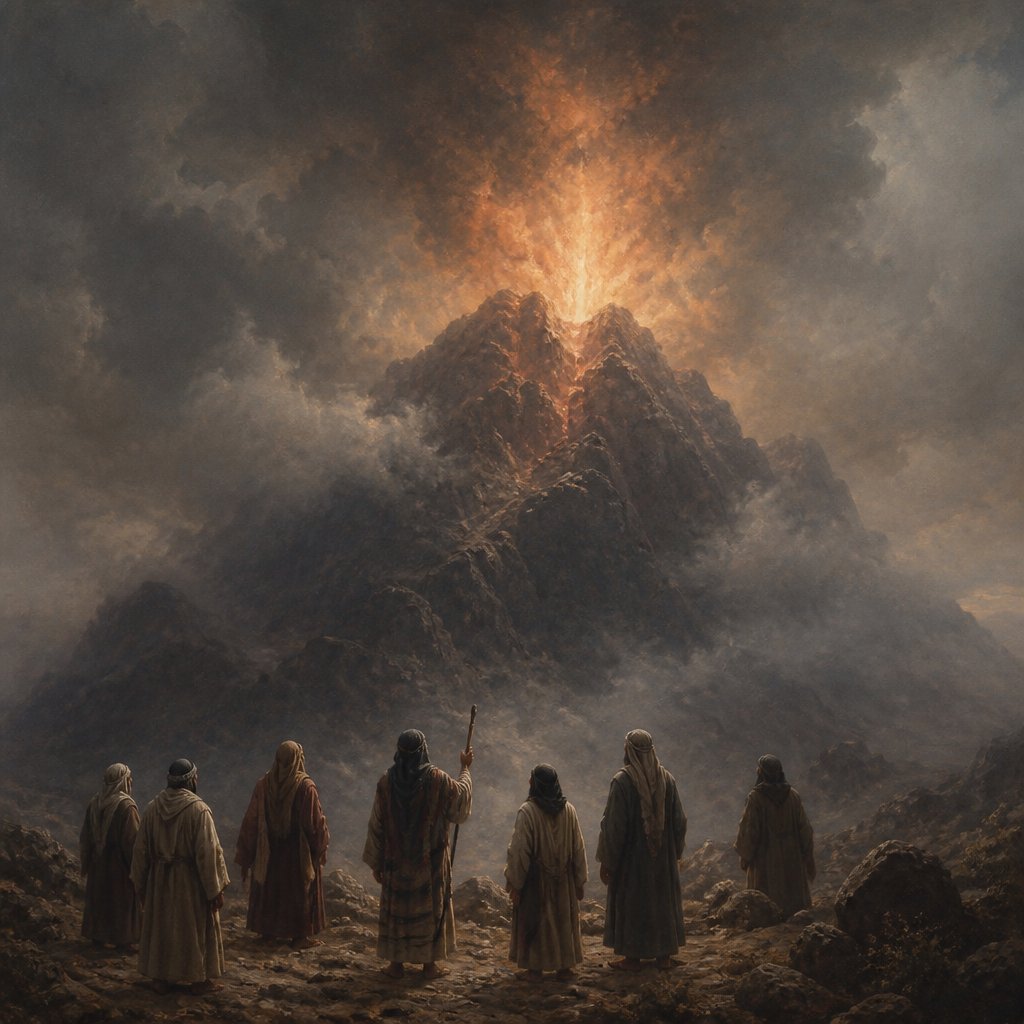
Deuteronomy 4:11 in the King James Version of the Bible reads: "And ye came near and stood under the mountain; and the mountain burned with fire unto the midst of heaven, with darkness, clouds, and thick darkness."
This verse is part of a larger passage in the book of Deuteronomy in the Old Testament, which is attributed to Moses, and records the final words of Moses to the Israelites before they enter the Promised Land. In this particular verse, Moses is recounting the awe-inspiring moment when the Israelites stood at the foot of Mount Sinai and witnessed the powerful display of God's presence.
The vivid imagery in this verse captures the intensity and significance of the moment. The mountain is described as being engulfed in fire that burns "unto the midst of heaven," signifying the immense height and magnitude of the display. The addition of darkness, clouds, and thick darkness further emphasizes the mysterious and awe-inspiring nature of God's presence. The combination of fire and darkness creates a dramatic and profound scene that would have left a lasting impression on the Israelites.
The burning mountain is a symbol of the divine presence and power of God. It represents the holiness and majesty of God, as well as His role as the ultimate authority. The imagery of the mountain burning with fire evokes a sense of reverence and fear, highlighting the transcendence and otherness of God. The presence of darkness and clouds further adds to the sense of mystery and wonder, underscoring the idea that God's ways are beyond human comprehension.
This verse serves as a reminder to the Israelites of the momentous occasion when they were given the Law by God. It underscores the significance of the covenant between God and the Israelites, and the responsibilities that come with it. The dramatic display of God's presence at Mount Sinai served to emphasize the importance of obedience to His commands and the consequences of disobedience.
The themes of obedience, reverence, and the fear of God are central to this verse. The awe-inspiring display of God's presence at Mount Sinai was meant to instill a deep respect and reverence for God and His commandments. It serves as a powerful reminder of the consequences of disobedience and the importance of upholding the covenant with God.
In a broader theological context, this verse also points to the transcendence and mystery of God. The imagery of the burning mountain and darkness conveys a sense of the divine that is beyond human understanding. It speaks to the incomprehensible nature of God and the limits of human knowledge and perception in the face of the divine.
Overall, Deuteronomy 4:11 is a powerful and evocative verse that captures the dramatic and profound nature of the moment when the Israelites stood at the foot of Mount Sinai. It serves as a reminder of the holiness and power of God, as well as the importance of obedience and reverence in upholding the covenant with Him. In a broader theological sense, it also speaks to the transcendence and mystery of God that is beyond human understanding.
Have questions about Deuteronomy 4:11?
Dive deeper into this scripture with Bible Chat — an AI-powered tool for exploring God's Word through conversation. Ask questions, get context, and grow in your understanding of the Bible.
Get Our Apps


Deuteronomy 4:11 Artwork

Deuteronomy 4:11 - "And ye came near and stood under the mountain; and the mountain burned with fire unto the midst of heaven, with darkness, clouds, and thick darkness."
"And ye came near and stood under the mountain; and the mountain burned with fire unto the midst of heaven, with darkness, clouds, and thick darkness." - Deuteronomy 4:11
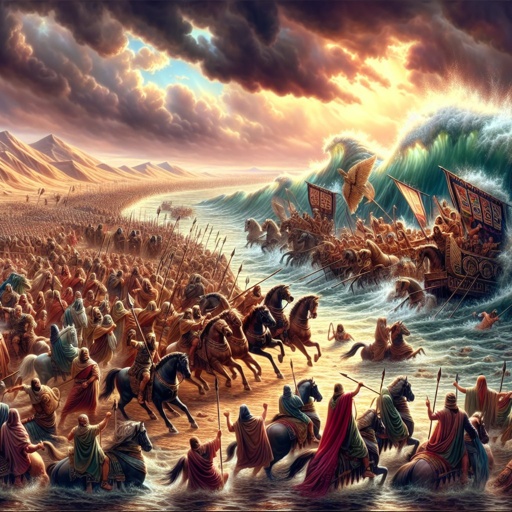
Deuteronomy 11:4 - "And what he did unto the army of Egypt, unto their horses, and to their chariots; how he made the water of the Red sea to overflow them as they pursued after you, and how the LORD hath destroyed them unto this day;"

Deuteronomy 11:23

Deuteronomy 11:11 - "But the land, whither ye go to possess it, is a land of hills and valleys, and drinketh water of the rain of heaven:"

Create a picture of Deuteronomy 11:20

Deuteronomy 14:11 - "¶ Of all clean birds ye shall eat."

Deuteronomy 18:11 - "Or a charmer, or a consulter with familiar spirits, or a wizard, or a necromancer."

Deuteronomy 27:11 - "¶ And Moses charged the people the same day, saying,"

Deuteronomy 26:4-10

Deuteronomy 26:4-10

Deuteronomy 4:4 - "But ye that did cleave unto the LORD your God are alive every one of you this day."

Deuteronomy 11:26 - "¶ Behold, I set before you this day a blessing and a curse;"

Deuteronomy 22:11 - "¶ Thou shalt not wear a garment of divers sorts, as of woollen and linen together."

Deuteronomy 2:11 - "Which also were accounted giants, as the Anakims; but the Moabites call them Emims."

Deuteronomy 34:1-4 – Moses views the Promised Land from Mount Nebo.

Deuteronomy 34:1-4 – Moses views the Promised Land from Mount Nebo.

Deuteronomy 34:1-4 – Moses views the Promised Land from Mount Nebo.

Deuteronomy 11:5 - "And what he did unto you in the wilderness, until ye came into this place;"

Deuteronomy 4:44 - "¶ And this is the law which Moses set before the children of Israel:"

Deuteronomy 11:15 - "And I will send grass in thy fields for thy cattle, that thou mayest eat and be full."

Deuteronomy 12:4 - "Ye shall not do so unto the LORD your God."

Deuteronomy 33:4 - "Moses commanded us a law, even the inheritance of the congregation of Jacob."

Deuteronomy 34:1-4 – Moses views the Promised Land from Mount Nebo.

Deuteronomy 34:1-4 – Moses views the Promised Land from Mount Nebo.

Deuteronomy 6:4 - "Hear, O Israel: The LORD our God is one LORD:"

Deuteronomy 11:7 - "But your eyes have seen all the great acts of the LORD which he did."

Deuteronomy 30:11 - "¶ For this commandment which I command thee this day, it is not hidden from thee, neither is it far off."

Deuteronomy 4:24 - "For the LORD thy God is a consuming fire, even a jealous God."

Deuteronomy 34:1-4 – Moses views the Promised Land from Mount Nebo.