What does Deuteronomy 4:19 mean?
“And lest thou lift up thine eyes unto heaven, and when thou seest the sun, and the moon, and the stars, even all the host of heaven, shouldest be driven to worship them, and serve them, which the LORD thy God hath divided unto all nations under the whole heaven.” — Deuteronomy 4:19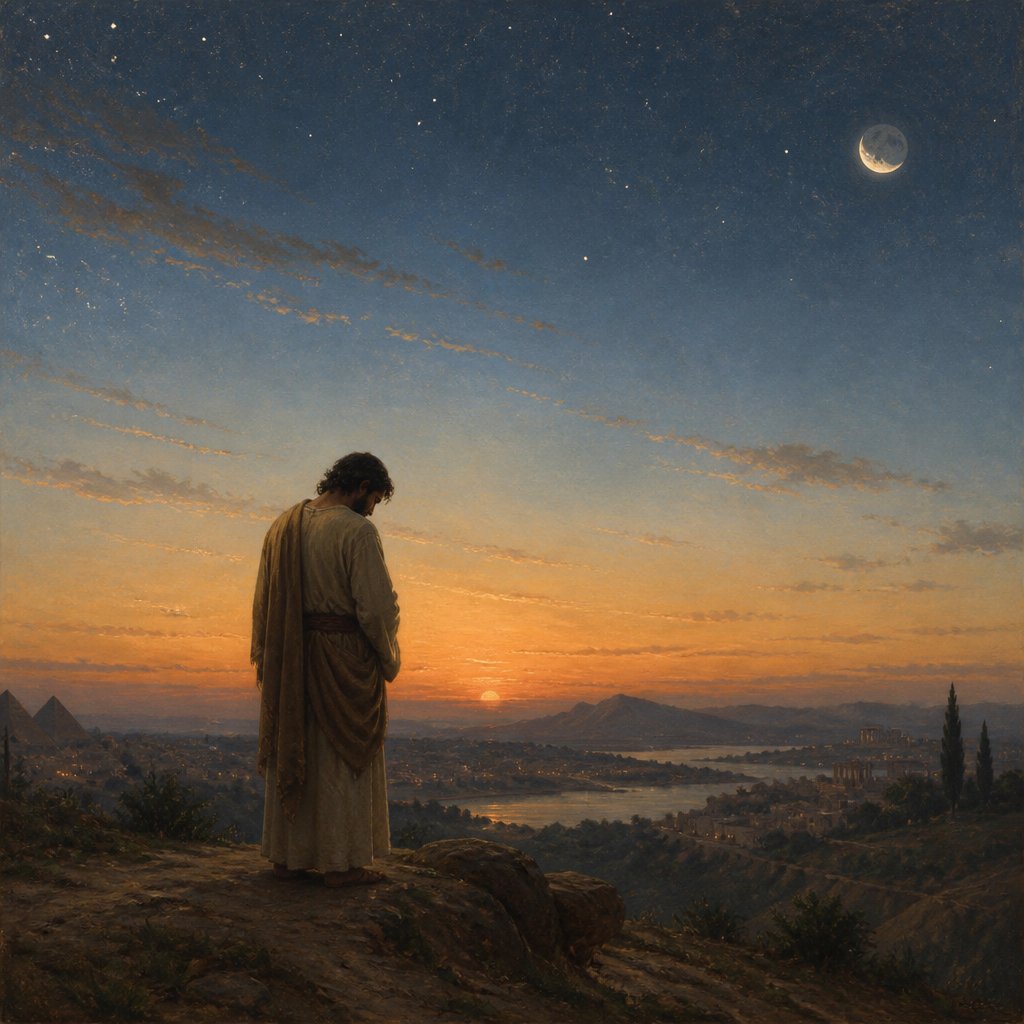
Deuteronomy 4:19 (KJV) states, "And lest thou lift up thine eyes unto heaven, and when thou seest the sun, and the moon, and the stars, even all the host of heaven, shouldest be driven to worship them, and serve them, which the Lord thy God hath divided unto all nations under the whole heaven."
This verse is part of a larger discourse in the book of Deuteronomy, wherein Moses is addressing the Israelites before they enter the Promised Land. In this specific verse, Moses warns the Israelites against the worship of celestial bodies, such as the sun, moon, and stars, as they are merely creations of God, rather than gods themselves. He reminds them that these heavenly bodies were "divided unto all nations under the whole heaven" by God, and are to be regarded as signs of His divine power and glory, rather than objects of worship.
This verse carries several themes that are central to the teachings of the Old Testament and the Judeo-Christian faith as a whole. One of the primary themes is the concept of monotheism, the belief in one true God. Throughout the Bible, God repeatedly emphasizes that He is the only one deserving of worship and adoration, and all other gods or idols are false and should be rejected. In Deuteronomy 4:19, the Israelites are reminded of their exclusive relationship with Yahweh, and are warned against the worship of any other beings, including those in the heavens.
Another important theme in this verse is the emphasis on the transcendence and sovereignty of God. By pointing to the sun, moon, and stars, Moses is underscoring the vastness of God's creation and the order He has established in the universe. The heavenly bodies are not to be worshipped because they are merely tools in the hands of the Creator, who has control over all things. This serves as a reminder to the Israelites, and to all believers, that God is the ultimate authority and power in the cosmos, and that everything in creation should be seen in relation to Him.
In addition to these themes, Deuteronomy 4:19 also addresses the universal nature of God's sovereignty. When Moses speaks of the heavenly bodies being "divided unto all nations under the whole heaven," he is acknowledging that God's reign extends beyond the borders of Israel. This serves as a reminder that the God of Israel is not just a tribal deity, but the ruler of all nations and all peoples. It emphasizes the inclusive nature of God's love and care for all of humanity, and the call for all to acknowledge and worship Him as the one true God.
Furthermore, the warning in this verse against turning to worship the created rather than the Creator is a theme that runs throughout the entire Bible. It reflects the constant struggle of humanity to put other things, be they material possessions, power, or even natural phenomena, above God. This verse serves as a timeless reminder to guard against the temptation to elevate anything in creation to a position of supremacy above the Creator.
In terms of historical and cultural context, it is important to understand that the Israelites were surrounded by cultures that engaged in the worship of celestial bodies and other natural elements. This admonition from Moses would have been particularly relevant to them as they prepared to enter a land where such practices were commonplace. By warning them against such idolatry, Moses was seeking to preserve the exclusivity of their covenant relationship with God and to protect them from being influenced by the beliefs and practices of their neighbors.
Symbolically, the mention of the sun, moon, and stars in this verse serves as a representation of the created order and the natural world. By pointing to these celestial bodies, Moses is addressing the temptation to attribute divine power to natural phenomena, rather than acknowledging the ultimate source of that power. This warning remains pertinent today, as it reminds believers to maintain a proper perspective on the created world and to always recognize God as the ultimate source of all that exists.
In conclusion, Deuteronomy 4:19 contains a powerful and timeless message about the exclusivity of God's sovereignty, the danger of idolatry, and the proper understanding of God's relationship to His creation. Through this verse, the Israelites, and all readers of the Bible, are called to guard against the temptation to worship anything other than God, and to acknowledge His supreme authority over all things. This verse serves as a foundational teaching on monotheism, the transcendence of God, and the need for all people to recognize and honor Him as the one true God.
Get our apps


Artwork for Deuteronomy 4:19
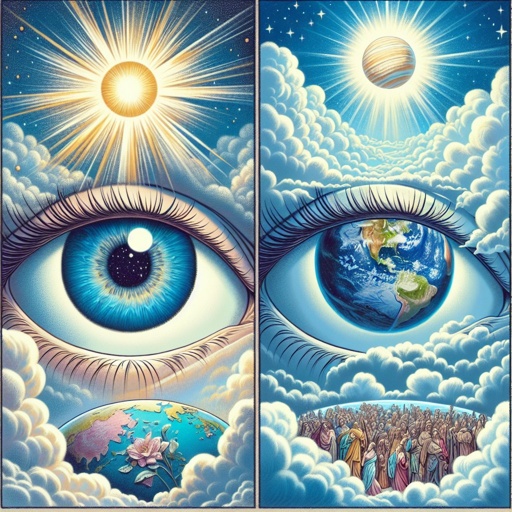
Deuteronomy 4:19 - "And lest thou lift up thine eyes unto heaven, and when thou seest the sun, and the moon, and the stars, even all the host of heaven, shouldest be driven to worship them, and serve them, which the LORD thy God hath divided unto all nations under the whole heaven."
"And lest thou lift up thine eyes unto heaven, and when thou seest the sun, and the moon, and the stars, even all the host of heaven, shouldest be driven to worship them, and serve them, which the LORD thy God hath divided unto all nations under the whole heaven." - Deuteronomy 4:19

Deuteronomy 19:4 - "¶ And this is the case of the slayer, which shall flee thither, that he may live: Whoso killeth his neighbour ignorantly, whom he hated not in time past;"

Deuteronomy 30:19:

Deuteronomy 5:19 - "Neither shalt thou steal."

Deuteronomy 10:19 - "Love ye therefore the stranger: for ye were strangers in the land of Egypt."

Deuteronomy 14:19 - "And every creeping thing that flieth is unclean unto you: they shall not be eaten."

Deuteronomy 26:4-10

"Neither shalt thou steal." - Deuteronomy 5:19

Deuteronomy 26:4-10

Deuteronomy 19:7 - "Wherefore I command thee, saying, Thou shalt separate three cities for thee."

Deuteronomy 6:19 - "To cast out all thine enemies from before thee, as the LORD hath spoken."

Deuteronomy 4:4 - "But ye that did cleave unto the LORD your God are alive every one of you this day."

Deuteronomy 19:19 - "Then shall ye do unto him, as he had thought to have done unto his brother: so shalt thou put the evil away from among you."

Deuteronomy 12:19 - "Take heed to thyself that thou forsake not the Levite as long as thou livest upon the earth."

Deuteronomy 19:16 - "¶ If a false witness rise up against any man to testify against him that which is wrong;"

Deuteronomy 27:19 - "Cursed be he that perverteth the judgment of the stranger, fatherless, and widow. And all the people shall say, Amen."

Deuteronomy 32:19 - "And when the LORD saw it, he abhorred them, because of the provoking of his sons, and of his daughters."

Deuteronomy 28:19 - "Cursed shalt thou be when thou comest in, and cursed shalt thou be when thou goest out."
"¶ And this is the case of the slayer, which shall flee thither, that he may live: Whoso killeth his neighbour ignorantly, whom he hated not in time past;" - Deuteronomy 19:4

Deuteronomy 34:1-4 – Moses views the Promised Land from Mount Nebo.

Deuteronomy 34:1-4 – Moses views the Promised Land from Mount Nebo.

Deuteronomy 34:1-4 – Moses views the Promised Land from Mount Nebo.

Deuteronomy 4:44 - "¶ And this is the law which Moses set before the children of Israel:"

Deuteronomy 19:20 - "And those which remain shall hear, and fear, and shall henceforth commit no more any such evil among you."

Deuteronomy 19:18 - "And the judges shall make diligent inquisition: and, behold, if the witness be a false witness, and hath testified falsely against his brother;"

Deuteronomy 33:4 - "Moses commanded us a law, even the inheritance of the congregation of Jacob."

Deuteronomy 12:4 - "Ye shall not do so unto the LORD your God."

Deuteronomy 34:1-4 – Moses views the Promised Land from Mount Nebo.

Deuteronomy 6:4 - "Hear, O Israel: The LORD our God is one LORD:"