What does Deuteronomy 4:41 mean?
“Then Moses severed three cities on this side Jordan toward the sunrising;” — Deuteronomy 4:41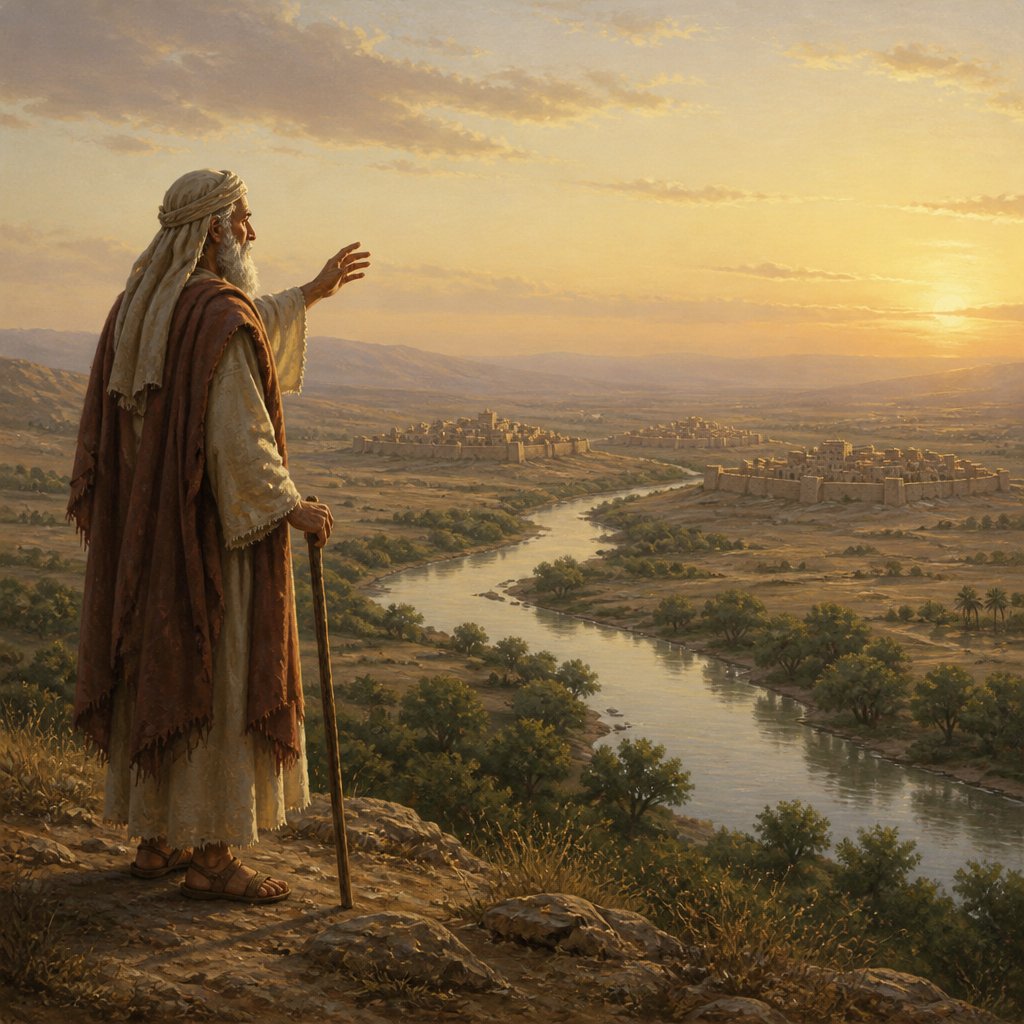
Deuteronomy 4:41 in the King James Version (KJV) states, "Then Moses severed three cities on this side Jordan toward the sunrising."
This verse is a part of the broader narrative of the Book of Deuteronomy, which is attributed to Moses and is presented as his farewell address to the Israelites before they enter the Promised Land. In this particular verse, Moses is described as creating three cities on the eastern side of the Jordan River.
To understand the significance and meaning of this verse, it is essential to consider the broader context of the Book of Deuteronomy and the historical and cultural context of the ancient Israelites. The creation of these cities, known as "cities of refuge," was a response to God's command to provide a place of refuge for those who commit unintentional manslaughter as outlined in Numbers 35:11-15. The purpose of these cities was to provide protection for individuals who had accidentally killed someone, offering them a place to flee from the avenger of blood and also providing a fair trial.
The establishment of these cities was a demonstration of God's justice and mercy. These cities were a tangible expression of God's concern for the vulnerable and the oppressed, ensuring that even those who committed unintentional sins had a place of refuge and an opportunity for a fair trial. This aligns with the broader themes of justice, mercy, and compassion that are prevalent throughout the Old Testament and the teachings of the Mosaic law.
Additionally, the placement of these cities on the eastern side of the Jordan River is significant. The eastern side of the Jordan River was considered a place of refuge and safety for the Israelites as they were on their journey to the Promised Land. It was also a place where they encountered the presence and provision of God, as evidenced by the stories of Moses, the parting of the Red Sea, and the provision of manna in the wilderness. The establishment of these cities in this location served as a reminder of God's faithfulness and protection, emphasizing the importance of seeking refuge in Him.
Furthermore, the act of Moses in establishing these cities holds symbolic significance. Moses, as the leader and lawgiver of the Israelites, was responsible for upholding the principles of justice and mercy that were foundational to the Mosaic law. By establishing these cities, he demonstrated his commitment to upholding these principles and ensuring that the Israelites lived according to the standards set forth by God.
In a broader theological sense, the concept of cities of refuge is also symbolic of Jesus Christ as the ultimate refuge for all who seek salvation. In Hebrews 6:18, it states that "we who have fled to take hold of the hope set before us may be greatly encouraged." Jesus Christ is portrayed as the "hope set before us," and those who believe in Him find refuge and salvation from sin and eternal condemnation.
In conclusion, Deuteronomy 4:41 serves as a reminder of God's justice, mercy, and provision for His people. The establishment of cities of refuge on the eastern side of the Jordan River embodies these principles and emphasizes the significance of seeking refuge in God. Additionally, this verse holds symbolic significance in pointing towards Jesus Christ as the ultimate refuge for all who seek salvation. The broader context of the Book of Deuteronomy and the historical and cultural context of the Israelites further enrich the understanding of this verse and its implications for the theology and beliefs of the Christian faith.
Get our apps


Artwork for Deuteronomy 4:41

Deuteronomy 4:41 - "¶ Then Moses severed three cities on this side Jordan toward the sunrising;"

"¶ Then Moses severed three cities on this side Jordan toward the sunrising;" - Deuteronomy 4:41

Deuteronomy 32:41

Deuteronomy 28:41 - "Thou shalt beget sons and daughters, but thou shalt not enjoy them; for they shall go into captivity."

Mark 4:41

Mark 4:41

Mark 4:41

Mark 4:41

Mark 4:35-41

Deuteronomy 32:41 - "If I whet my glittering sword, and mine hand take hold on judgment; I will render vengeance to mine enemies, and will reward them that hate me."

John 4:41 - "And many more believed because of his own word;"

Mark 4:41 (KJVA) 41 And they feared exceedingly, and said one to another, What manner of man is this, that even the wind and the sea obey him?

Job 41:4 - "Will he make a covenant with thee? wilt thou take him for a servant for ever?"

Deuteronomy 4:1 - "Now therefore hearken, O Israel, unto the statutes and unto the judgments, which I teach you, for to do them, that ye may live, and go in and possess the land which the LORD God of your fathers giveth you."

Jeremiah 41:4 - "And it came to pass the second day after he had slain Gedaliah, and no man knew it,"

Mark 4:41 - "And they feared exceedingly, and said one to another, What manner of man is this, that even the wind and the sea obey him?"

Deuteronomy 26:4-10

Deuteronomy 26:4-10

"Thou shalt beget sons and daughters, but thou shalt not enjoy them; for they shall go into captivity." - Deuteronomy 28:41

Luke 4:40-41 KJVA (41) And devils also came out of many, crying out, and saying, Thou art Christ the Son of God. And he rebuking them suffered them not to speak: for they knew that he was Christ.

Deuteronomy 4:4 - "But ye that did cleave unto the LORD your God are alive every one of you this day."

Psalms 41:4 - "I said, LORD, be merciful unto me: heal my soul; for I have sinned against thee."

Ephesians 4:1-5
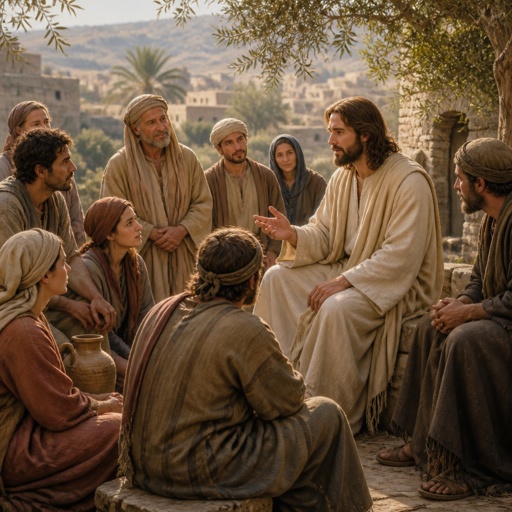
"And many more believed because of his own word;" - John 4:41

Genesis 41:4 - "And the ill favoured and leanfleshed kine did eat up the seven well favoured and fat kine. So Pharaoh awoke."

Isaiah 41:4 - "Who hath wrought and done it, calling the generations from the beginning? I the LORD, the first, and with the last; I am he."

2 Kings 4:41 - "But he said, Then bring meal. And he cast it into the pot; and he said, Pour out for the people, that they may eat. And there was no harm in the pot."

Deuteronomy 34:1-4 – Moses views the Promised Land from Mount Nebo.

Deuteronomy 34:1-4 – Moses views the Promised Land from Mount Nebo.

Deuteronomy 34:1-4 – Moses views the Promised Land from Mount Nebo.