What does Deuteronomy 5:9 mean?
"Thou shalt not bow down thyself unto them, nor serve them: for I the LORD thy God am a jealous God, visiting the iniquity of the fathers upon the children unto the third and fourth generation of them that hate me," - Deuteronomy 5:9
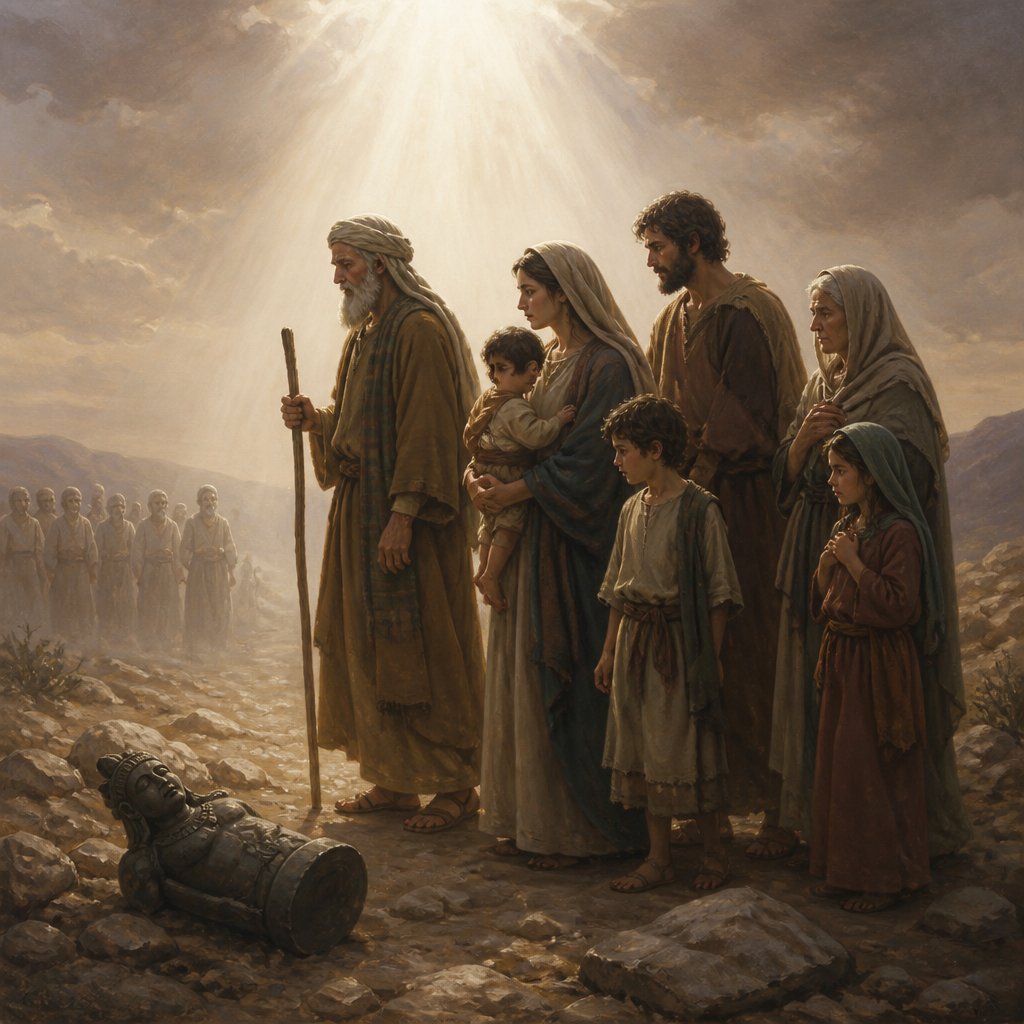
Deuteronomy 5:9 (KJV) states, "Thou shalt not bow down thyself unto them, nor serve them: for I the Lord thy God am a jealous God, visiting the iniquity of the fathers upon the children unto the third and fourth generation of them that hate me."
This verse is part of the Ten Commandments, which were given to the Israelites by God through Moses. The commandment specifically addresses the issue of idolatry, which was a prevalent sin among the nations surrounding Israel at the time. In this verse, God explicitly forbids the worship of idols and the serving of false gods, declaring himself to be a jealous God who punishes those who turn away from him.
One of the key themes of this verse is the concept of monotheism and the exclusive worship of the one true God. In ancient times, it was common for people to worship a variety of gods and idols, believing that each deity had control over different aspects of life. However, this commandment reinforces the belief in the singular, all-powerful God of the Israelites, who demands their full allegiance and devotion. By prohibiting the worship of other gods, this commandment emphasizes the uniqueness and supremacy of the God of Israel.
The language used in this verse, particularly the reference to God as a jealous God, has been the subject of much discussion and interpretation. Some have interpreted this jealousy as a negative attribute of God, suggesting that it portrays him as petty or insecure. However, when understood in the context of the ancient Near Eastern cultural norms, the jealousy of God can be seen as a protective and possessive love for his people. In the same way that a husband is jealous for the faithfulness of his wife, God desires the exclusive worship and loyalty of his chosen people.
Additionally, the verse speaks to the consequences of idolatry, stating that God visits the iniquity of the fathers upon the children unto the third and fourth generation of those who hate him. This serves as a warning against the generational impact of sin and the importance of obedience to God's commandments. The idea that the consequences of sin can extend to future generations underscores the gravity of the commandment and the importance of adhering to it.
Symbolically, this verse represents the foundational principle of the Israelite faith and serves as a reminder of the covenant relationship between God and his chosen people. It emphasizes the need for unwavering devotion to God and the rejection of false gods and idols. By setting himself apart as a jealous God who demands exclusive worship, God establishes the boundaries of the covenant relationship and reinforces the unique identity of the Israelites as his chosen people.
In conclusion, Deuteronomy 5:9 (KJV) is a powerful and significant commandment that addresses the issue of idolatry and emphasizes the exclusive worship of the one true God. It serves as a foundational principle of the Israelite faith, highlighting the importance of unwavering devotion to God and the consequences of turning away from him. The verse reinforces the uniqueness and supremacy of the God of Israel and warns against the generational impact of sin. Ultimately, it serves as a reminder of the covenant relationship between God and his people and the need for obedience to his commandments.
Have questions about Deuteronomy 5:9?
Dive deeper into this scripture with Bible Chat — an AI-powered tool for exploring God's Word through conversation. Ask questions, get context, and grow in your understanding of the Bible.
Get Our Apps


Deuteronomy 5:9 Artwork
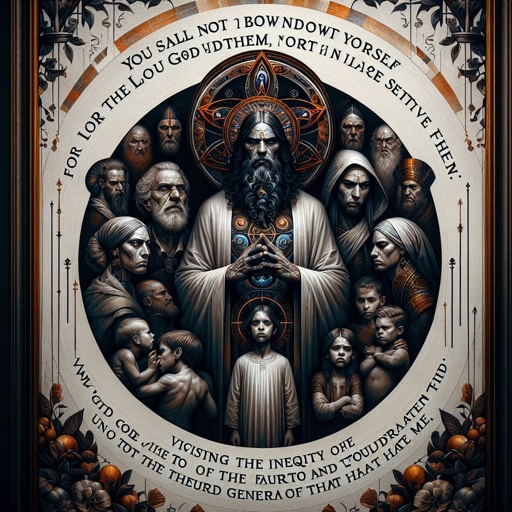
Deuteronomy 5:9 - "Thou shalt not bow down thyself unto them, nor serve them: for I the LORD thy God am a jealous God, visiting the iniquity of the fathers upon the children unto the third and fourth generation of them that hate me,"
"Thou shalt not bow down thyself unto them, nor serve them: for I the LORD thy God am a jealous God, visiting the iniquity of the fathers upon the children unto the third and fourth generation of them that hate me," - Deuteronomy 5:9
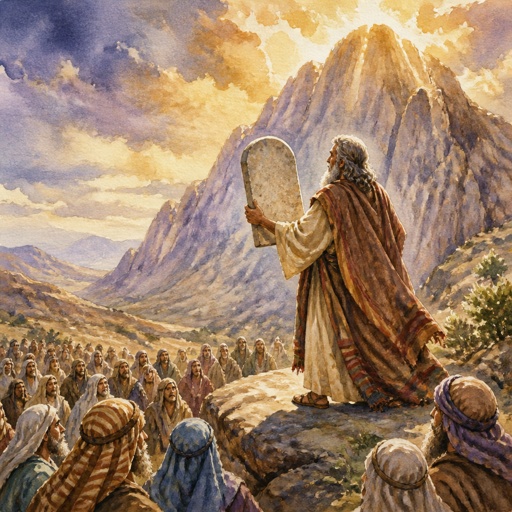
Deuteronomy 5 pictures

Deuteronomy 5:17 - "Thou shalt not kill."
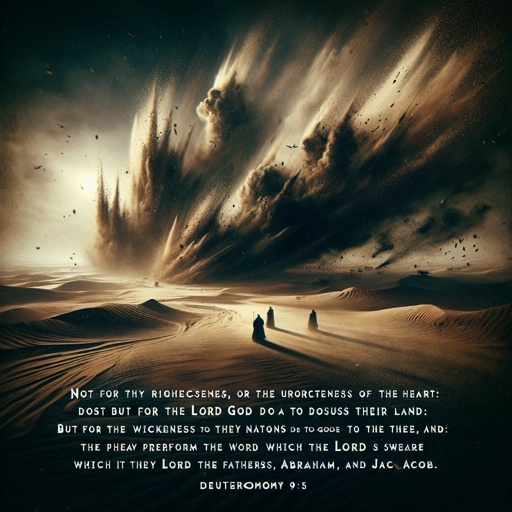
Deuteronomy 9:5 - "Not for thy righteousness, or for the uprightness of thine heart, dost thou go to possess their land: but for the wickedness of these nations the LORD thy God doth drive them out from before thee, and that he may perform the word which the LORD sware unto thy fathers, Abraham, Isaac, and Jacob."

Deuteronomy 34:5-6

Deuteronomy 5:19 - "Neither shalt thou steal."

Deuteronomy 5:18 - "Neither shalt thou commit adultery."

Deuteronomy 28:5 - "Blessed shall be thy basket and thy store."

Deuteronomy 5:2 - "The LORD our God made a covenant with us in Horeb."

Deuteronomy 32:9 - "For the LORD'S portion is his people; Jacob is the lot of his inheritance."

Deuteronomy 3:9 - "(Which Hermon the Sidonians call Sirion; and the Amorites call it Shenir;)"

Deuteronomy 9:22 - "And at Taberah, and at Massah, and at Kibroth-hattaavah, ye provoked the LORD to wrath."

Deuteronomy 5:30 - "Go say to them, Get you into your tents again."

"Thou shalt not kill." - Deuteronomy 5:17

Deuteronomy 5:7 - "Thou shalt have none other gods before me."

Deuteronomy 5:13 - "Six days thou shalt labour, and do all thy work:"

Deuteronomy 1:5 - "On this side Jordan, in the land of Moab, began Moses to declare this law, saying,"

Deuteronomy 5:5 - "(I stood between the LORD and you at that time, to shew you the word of the LORD: for ye were afraid by reason of the fire, and went not up into the mount;) saying,"

Deuteronomy 6:9 - "And thou shalt write them upon the posts of thy house, and on thy gates."

Deuteronomy 5:20 - "Neither shalt thou bear false witness against thy neighbour."

Deuteronomy 5:4 - "The LORD talked with you face to face in the mount out of the midst of the fire,"

Deuteronomy 32:5 - "They have corrupted themselves, their spot is not the spot of his children: they are a perverse and crooked generation."

Deuteronomy 14:5 - "The hart, and the roebuck, and the fallow deer, and the wild goat, and the pygarg, and the wild ox, and the chamois."

Deuteronomy 5:10 - "And shewing mercy unto thousands of them that love me and keep my commandments."

Deuteronomy 5:12 - "Keep the sabbath day to sanctify it, as the LORD thy God hath commanded thee."

Deuteronomy 9:24 - "Ye have been rebellious against the LORD from the day that I knew you."

Deuteronomy 12:9 - "For ye are not as yet come to the rest and to the inheritance, which the LORD your God giveth you."

Deuteronomy 11:5 - "And what he did unto you in the wilderness, until ye came into this place;"

Deuteronomy 34:5 - "¶ So Moses the servant of the LORD died there in the land of Moab, according to the word of the LORD."