What does Deuteronomy 5:12 mean?
“Keep the sabbath day to sanctify it, as the LORD thy God hath commanded thee.” — Deuteronomy 5:12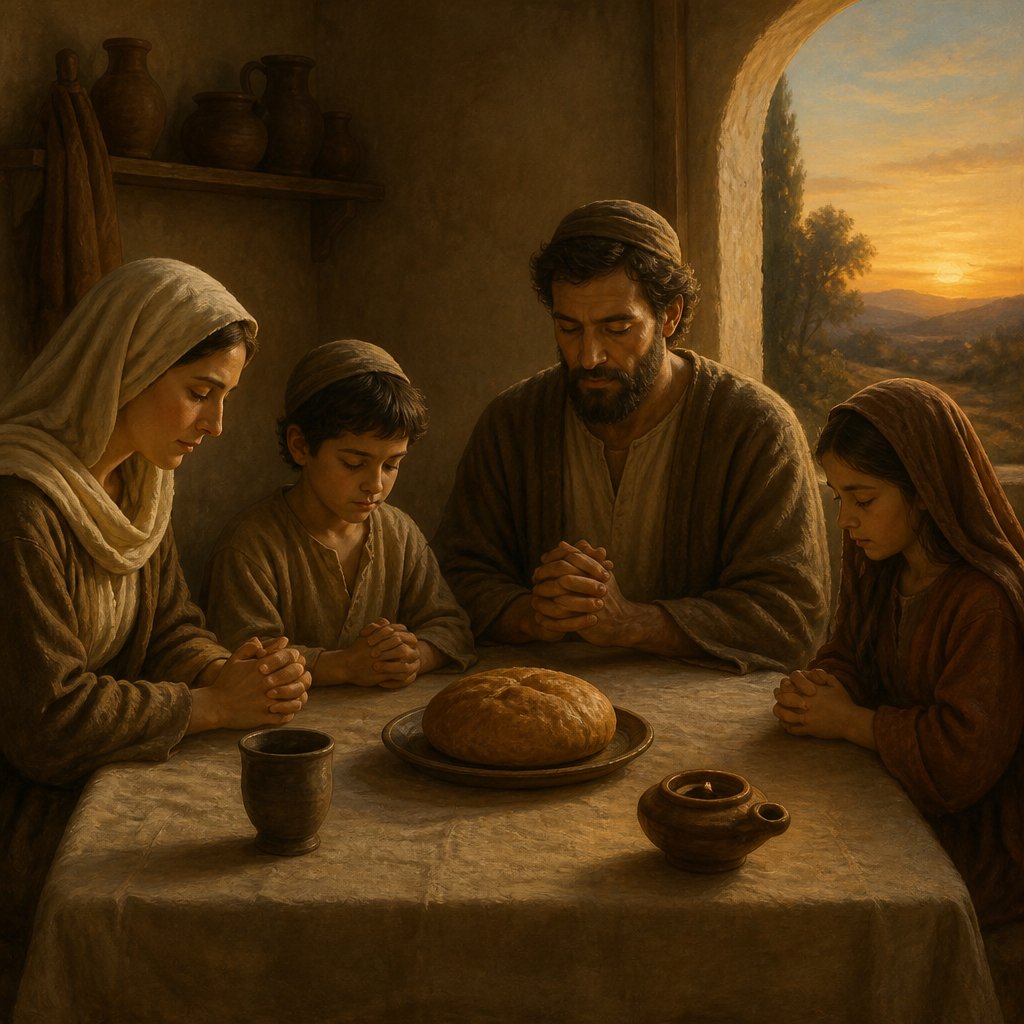
Deuteronomy 5:12 from the King James Version (KJV) of the Bible states: "Keep the sabbath day to sanctify it, as the Lord thy God hath commanded thee."
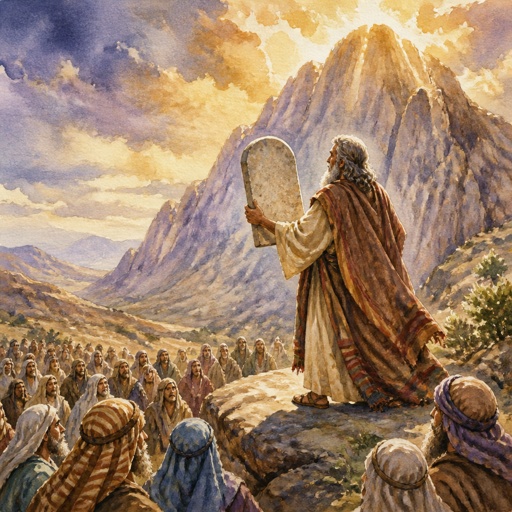
This verse is part of the Ten Commandments, which were given by God to Moses on Mount Sinai. The Ten Commandments serve as a foundational set of moral and ethical principles for the Israelites, and have been embraced by many Christians and Jews as a guide for righteous living.
The command to keep the Sabbath day holy is one of the central tenets of the Jewish faith, and its observance is a key practice in Judaism. The Sabbath, which traditionally begins at sunset on Friday and ends at nightfall on Saturday, is a day of rest and worship. It is a time for spiritual reflection, prayer, and renewal, as well as an opportunity to spend quality time with family and community.
The Sabbath is considered a holy day, set apart from the rest of the week, and is a time to focus on God and His commandments. By observing the Sabbath, believers demonstrate their obedience to God and their trust in His provision, as they refrain from work and worldly concerns in order to focus on their relationship with Him.
The command to keep the Sabbath day holy is also a reminder of God's creative and redemptive work. In the Book of Genesis, we read that God created the world in six days and rested on the seventh, sanctifying it as a day of rest (Genesis 2:2-3). This pattern of work and rest, established by God at the dawn of creation, is reflected in the weekly observance of the Sabbath, as believers follow His example by resting from their labors and devoting themselves to worship and fellowship.
In addition to its significance as a day of rest and worship, the Sabbath also serves as a social and ethical reminder. By resting on the Sabbath, believers demonstrate their commitment to justice and compassion, as they provide rest for their families, employees, and even their animals. The Sabbath acts as a corrective to the relentless pursuit of wealth and success, affirming the inherent worth and dignity of every person, and reinforcing the principle of Sabbath rest as a right for all.
In a broader sense, the command to keep the Sabbath day holy also speaks to the importance of establishing a rhythm of work and rest in our lives. In a culture that often prioritizes productivity and achievement, the Sabbath invites believers to pause, reflect, and reorient themselves towards God and His purposes. By setting aside a dedicated day for rest and worship, believers affirm the value of their spiritual and emotional well-being, and embody the principle that their identity and worth are not dependent on their productivity or accomplishments.
The symbolism of the Sabbath extends beyond its weekly observance, serving as a timeless reminder of God's faithfulness and provision. By honoring the Sabbath, believers express their trust in God's sovereignty, and their recognition that He is the ultimate source of their sustenance and security. The Sabbath also points to the future hope of a final rest, when God's peace and justice will reign fully, and when all creation will be restored and renewed.
In conclusion, the command to keep the Sabbath day holy in Deuteronomy 5:12 carries profound theological, moral, and social implications. It serves as a foundational principle for the Jewish faith, and embodies the importance of rest, worship, justice, and trust in God. The observance of the Sabbath invites believers to participate in God's redemptive and creative work, and to set aside time for spiritual renewal and fellowship. It calls believers to establish a rhythm of work and rest in their lives, and to embody the principles of justice, compassion, and trust in their relationships and communities. Ultimately, the Sabbath points to the deep and abiding rest that believers find in God's presence, both now and in the future fulfillment of His promises.
Get our apps


Artwork for Deuteronomy 5:12

Deuteronomy 5:12 - "Keep the sabbath day to sanctify it, as the LORD thy God hath commanded thee."
"Keep the sabbath day to sanctify it, as the LORD thy God hath commanded thee." - Deuteronomy 5:12

Deuteronomy 12:5 - "But unto the place which the LORD your God shall choose out of all your tribes to put his name there, even unto his habitation shall ye seek, and thither thou shalt come:"
Deuteronomy 5 pictures

Deuteronomy 5:17 - "Thou shalt not kill."

Deuteronomy 34:5-6

Deuteronomy 5:19 - "Neither shalt thou steal."

Deuteronomy 5:18 - "Neither shalt thou commit adultery."

Deuteronomy 28:5 - "Blessed shall be thy basket and thy store."

Deuteronomy 14:12 - "But these are they of which ye shall not eat: the eagle, and the ossifrage, and the ospray,"

Deuteronomy 24:12 - "And if the man be poor, thou shalt not sleep with his pledge:"

Deuteronomy 12:4 - "Ye shall not do so unto the LORD your God."

Deuteronomy 5:2 - "The LORD our God made a covenant with us in Horeb."

Deuteronomy 12:24 - "Thou shalt not eat it; thou shalt pour it upon the earth as water."

Deuteronomy 32:12 - "So the LORD alone did lead him, and there was no strange god with him."

Deuteronomy 5:30 - "Go say to them, Get you into your tents again."

"Thou shalt not kill." - Deuteronomy 5:17

Deuteronomy 5:7 - "Thou shalt have none other gods before me."

Deuteronomy 5:13 - "Six days thou shalt labour, and do all thy work:"

Deuteronomy 1:5 - "On this side Jordan, in the land of Moab, began Moses to declare this law, saying,"

Deuteronomy 20:12 - "And if it will make no peace with thee, but will make war against thee, then thou shalt besiege it:"

Deuteronomy 5:5 - "(I stood between the LORD and you at that time, to shew you the word of the LORD: for ye were afraid by reason of the fire, and went not up into the mount;) saying,"

Deuteronomy 5:20 - "Neither shalt thou bear false witness against thy neighbour."

Deuteronomy 5:4 - "The LORD talked with you face to face in the mount out of the midst of the fire,"

Deuteronomy 12:9 - "For ye are not as yet come to the rest and to the inheritance, which the LORD your God giveth you."

Deuteronomy 32:5 - "They have corrupted themselves, their spot is not the spot of his children: they are a perverse and crooked generation."

Deuteronomy 14:5 - "The hart, and the roebuck, and the fallow deer, and the wild goat, and the pygarg, and the wild ox, and the chamois."

Deuteronomy 5:10 - "And shewing mercy unto thousands of them that love me and keep my commandments."

Deuteronomy 12:19 - "Take heed to thyself that thou forsake not the Levite as long as thou livest upon the earth."

Deuteronomy 12:16 - "Only ye shall not eat the blood; ye shall pour it upon the earth as water."