What does Deuteronomy 5:15 mean?
“And remember that thou wast a servant in the land of Egypt, and that the LORD thy God brought thee out thence through a mighty hand and by a stretched out arm: therefore the LORD thy God commanded thee to keep the sabbath day.” — Deuteronomy 5:15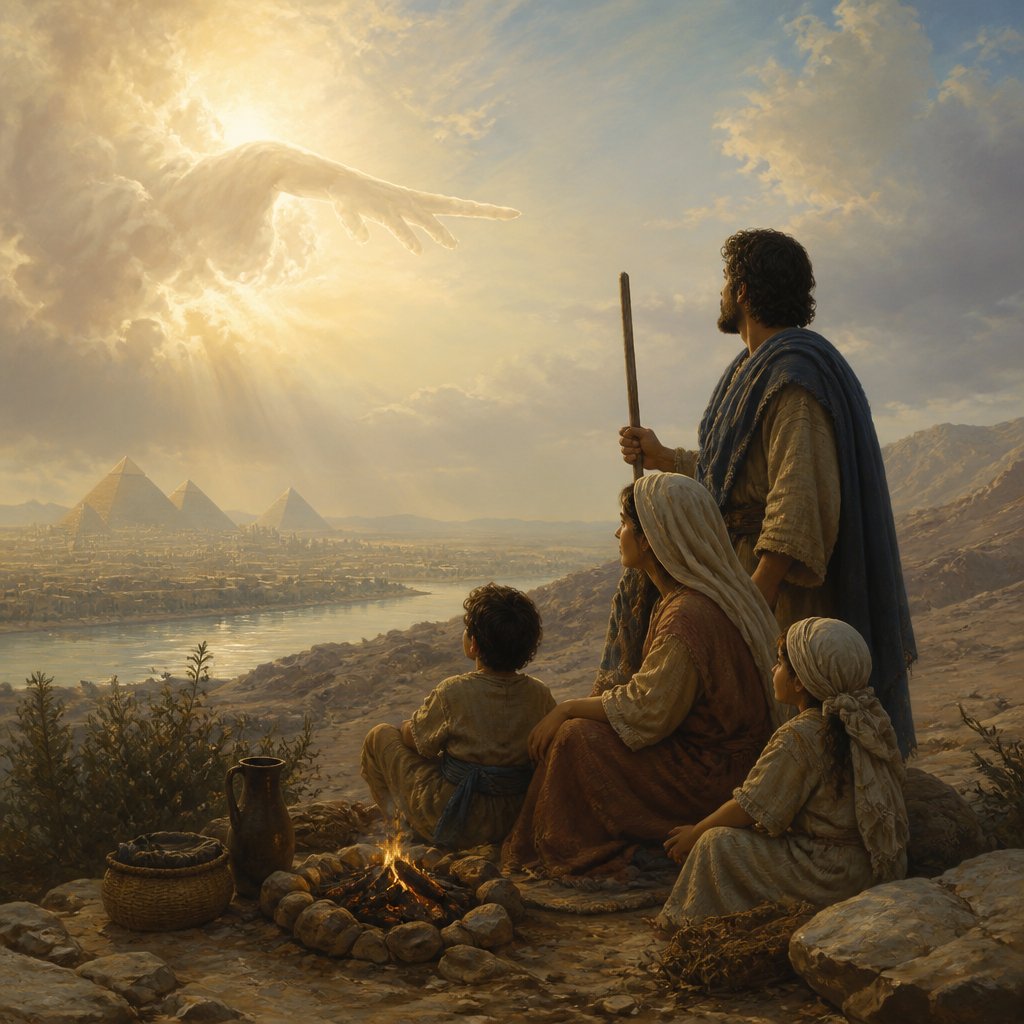
Deuteronomy 5:15 (KJV) states, "And remember that thou wast a servant in the land of Egypt, and that the Lord thy God brought thee out thence through a mighty hand and by a stretched out arm: therefore the Lord thy God commanded thee to keep the Sabbath day."
This verse is part of the Ten Commandments given to the Israelites by God through Moses. It specifically refers to the commandment to observe the Sabbath day as a holy day of rest and worship. However, the verse begins with a reminder of the Israelites' time as slaves in Egypt and God's deliverance of them from bondage.
The context of this verse is significant in understanding its deeper meaning. It comes in the midst of the retelling of the laws and commandments given by God to the Israelites after their exodus from Egypt. The Ten Commandments were a foundational part of the covenant made between God and his chosen people, outlining the moral and ethical principles by which they were to live.
The verse begins with a reminder to the Israelites of their time as slaves in Egypt. This serves as a crucial point of reference for understanding the significance of observing the Sabbath. The Israelites were no strangers to hard labor and bondage during their time in Egypt. Their lives were characterized by toil and servitude, with no rest or freedom to worship God. However, God's intervention and deliverance changed their circumstances dramatically. Through a "mighty hand and stretched out arm," God brought the Israelites out of Egypt, demonstrating his power and faithfulness to his promises.
The commandment to observe the Sabbath is directly linked to the Israelites' experience in Egypt and their deliverance by God. By instructing them to remember their time as servants in Egypt, God is emphasizing the importance of rest, freedom, and worship. The Sabbath was not just a day of physical rest, but a day to remember and reflect on God's deliverance and provision. It was a time to acknowledge and honor the God who had brought them out of slavery into a new life of freedom and abundance.
The Sabbath commandment also served as a radical departure from the practices of the surrounding cultures, where constant labor and toil were the norm. In contrast, God's commandment to observe the Sabbath was a revolutionary declaration of the inherent value of rest and worship. It affirmed the dignity and worth of every individual, regardless of their social or economic status. By setting aside a day for rest and worship, God was calling the Israelites to live in a way that reflected his own character and values.
Furthermore, the Sabbath also provided a crucial rhythm to the Israelites' lives, allowing for physical, emotional, and spiritual rejuvenation. It offered a regular opportunity for the community to come together in worship, study, and fellowship, fostering a deep sense of identity and unity as God's chosen people. In this sense, the Sabbath was not merely a religious obligation, but a means of nurturing the spiritual and communal well-being of the Israelites.
Symbolically, the commandment to observe the Sabbath carries profound significance. It serves as a reminder of God's redemptive work in the lives of the Israelites, as well as a foreshadowing of the ultimate rest and freedom found in Christ. The New Testament reveals that Jesus is the true Sabbath rest for believers, providing spiritual liberation from the bondage of sin and the cares of this world.
In conclusion, Deuteronomy 5:15 (KJV) encompasses themes of remembrance, deliverance, rest, worship, and social justice. It calls believers to honor God's deliverance and provision by observing the Sabbath as a sacred day of rest and reflection. Through this commandment, God reveals his heart for his people to experience physical, emotional, and spiritual restoration, as well as to live in alignment with his righteous and loving character. The verse holds timeless relevance for believers today, serving as a call to celebrate God's deliverance and to prioritize rest and worship in a world that often emphasizes constant labor and productivity.
Get our apps


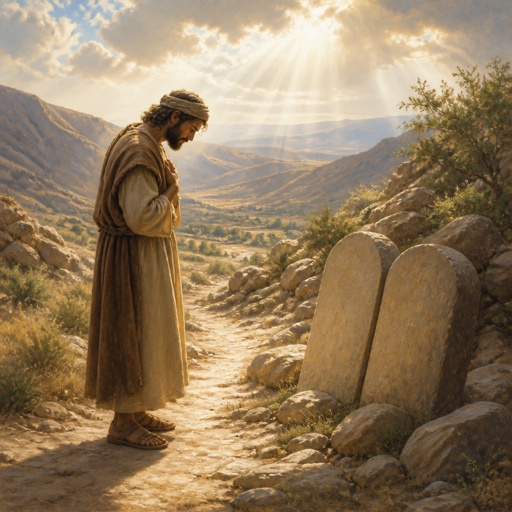
Artwork for Deuteronomy 5:15
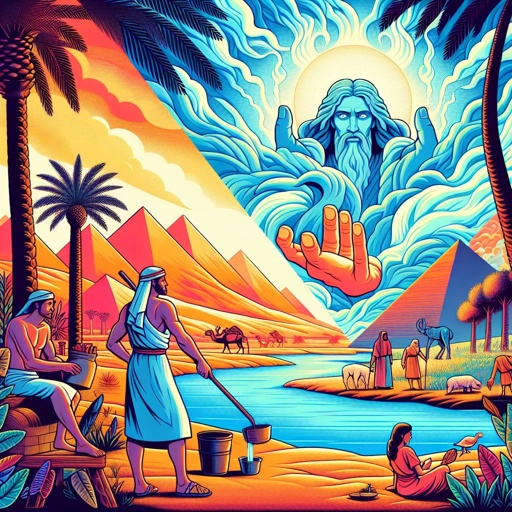
Deuteronomy 5:15 - "And remember that thou wast a servant in the land of Egypt, and that the LORD thy God brought thee out thence through a mighty hand and by a stretched out arm: therefore the LORD thy God commanded thee to keep the sabbath day."
"And remember that thou wast a servant in the land of Egypt, and that the LORD thy God brought thee out thence through a mighty hand and by a stretched out arm: therefore the LORD thy God commanded thee to keep the sabbath day." - Deuteronomy 5:15

Deuteronomy 15:5 - "Only if thou carefully hearken unto the voice of the LORD thy God, to observe to do all these commandments which I command thee this day."
Deuteronomy 5 pictures

Deuteronomy 3:15 - "And I gave Gilead unto Machir."

Deuteronomy 5:17 - "Thou shalt not kill."

Deuteronomy 34:5-6

Deuteronomy 5:19 - "Neither shalt thou steal."

Deuteronomy 14:15 - "And the owl, and the night hawk, and the cuckow, and the hawk after his kind,"

Deuteronomy 15:1 - "At the end of every seven years thou shalt make a release."

Deuteronomy 33:15 - "And for the chief things of the ancient mountains, and for the precious things of the lasting hills,"

Deuteronomy 5:18 - "Neither shalt thou commit adultery."

Deuteronomy 28:5 - "Blessed shall be thy basket and thy store."

Deuteronomy 15:15 - "And thou shalt remember that thou wast a bondman in the land of Egypt, and the LORD thy God redeemed thee: therefore I command thee this thing to day."
"Only if thou carefully hearken unto the voice of the LORD thy God, to observe to do all these commandments which I command thee this day." - Deuteronomy 15:5

Deuteronomy 5:2 - "The LORD our God made a covenant with us in Horeb."

Deuteronomy 5:30 - "Go say to them, Get you into your tents again."

Deuteronomy 31:15 - "And the LORD appeared in the tabernacle in a pillar of a cloud: and the pillar of the cloud stood over the door of the tabernacle."

Deuteronomy 11:15 - "And I will send grass in thy fields for thy cattle, that thou mayest eat and be full."

Deuteronomy 30:15 - "¶ See, I have set before thee this day life and good, and death and evil;"

"Thou shalt not kill." - Deuteronomy 5:17

Deuteronomy 5:7 - "Thou shalt have none other gods before me."

Deuteronomy 5:13 - "Six days thou shalt labour, and do all thy work:"

Deuteronomy 1:5 - "On this side Jordan, in the land of Moab, began Moses to declare this law, saying,"

Deuteronomy 15:23 - "Only thou shalt not eat the blood thereof; thou shalt pour it upon the ground as water."

"And I gave Gilead unto Machir." - Deuteronomy 3:15

Deuteronomy 5:5 - "(I stood between the LORD and you at that time, to shew you the word of the LORD: for ye were afraid by reason of the fire, and went not up into the mount;) saying,"

Deuteronomy 5:20 - "Neither shalt thou bear false witness against thy neighbour."

Deuteronomy 5:4 - "The LORD talked with you face to face in the mount out of the midst of the fire,"

Deuteronomy 32:5 - "They have corrupted themselves, their spot is not the spot of his children: they are a perverse and crooked generation."