What does Deuteronomy 6:14 mean?
“Ye shall not go after other gods, of the gods of the people which are round about you;” — Deuteronomy 6:14
Deuteronomy 6:14 in the King James Version (KJV) of the Bible states, "Ye shall not go after other gods, of the gods of the people which are round about you." This verse is a part of a larger passage known as the Shema, which is a central prayer in the Jewish liturgy. The Shema emphasizes the importance of love and devotion to one God, as well as the commandments and laws that God has given to his people.
In the context of the book of Deuteronomy, this verse is part of a series of commands and instructions that Moses gives to the Israelites as they prepare to enter the Promised Land. The Israelites have been wandering in the wilderness for forty years, and Moses is reminding them of their covenant with God and the laws they are to follow once they reach their destination.
The verse specifically forbids the Israelites from worshiping the gods of the surrounding nations. This commandment is a central theme in the Old Testament, as the Israelites are constantly being tempted to worship the gods of other nations and forsake their own God. The Israelites are warned against the seduction of foreign gods and are commanded to remain faithful to the one true God who has delivered them from slavery and promised them a land of their own.
The verse also emphasizes the uniqueness and exclusivity of the Israelites' relationship with God. The Israelites are to have no other gods before Him, and they are to be wholly devoted to Him alone. This principle of monotheism distinguishes the Israelite religion from the polytheistic beliefs of the surrounding nations.
The theme of exclusivity and devotion to one God is echoed throughout the Bible, particularly in the New Testament, where Jesus affirms the command to love the Lord your God with all your heart, soul, and mind. This principle of wholehearted devotion to God is foundational to the Christian faith as well.
Symbolically, the command to not go after other gods represents the struggle of the Israelites—and by extension, all people–to remain faithful and obedient to God. The allure of other gods and worldly temptations continues to be a challenge for believers throughout history. This verse serves as a reminder to continually prioritize and center our lives around the worship and devotion to the one true God.
Furthermore, the prohibition against worshiping other gods also extends to the internal idols and desires that compete for our allegiance. This verse challenges us to examine our hearts and ensure that we are not giving our devotion to anything or anyone that would rival God's rightful place in our lives.
In conclusion, Deuteronomy 6:14 is a powerful reminder of the importance of wholehearted devotion and allegiance to God. It instructs the Israelites, and by extension, all believers, to remain faithful to the one true God and not be swayed by the gods and desires of the world. This verse carries themes of exclusivity, monotheism, and the ongoing struggle to remain steadfast in faith, making it a timeless and relevant message for believers today.
Get our apps


Artwork for Deuteronomy 6:14

Deuteronomy 6:14 - "Ye shall not go after other gods, of the gods of the people which are round about you;"

"Ye shall not go after other gods, of the gods of the people which are round about you;" - Deuteronomy 6:14

Deuteronomy 14:6 - "And every beast that parteth the hoof, and cleaveth the cleft into two claws, and cheweth the cud among the beasts, that ye shall eat."

Deuteronomy 14:14 - "And every raven after his kind,"

Deuteronomy 14:17 - "And the pelican, and the gier eagle, and the cormorant,"

"And every raven after his kind," - Deuteronomy 14:14

Deuteronomy 6:6 - "And these words, which I command thee this day, shall be in thine heart:"

Deuteronomy 14:16 - "The little owl, and the great owl, and the swan,"
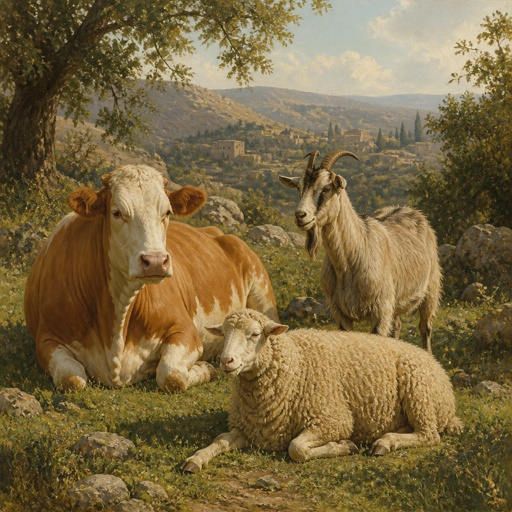
"And every beast that parteth the hoof, and cleaveth the cleft into two claws, and cheweth the cud among the beasts, that ye shall eat." - Deuteronomy 14:6

Deuteronomy 14:3 - "¶ Thou shalt not eat any abominable thing."

Deuteronomy 14:11 - "¶ Of all clean birds ye shall eat."

Deuteronomy 14:20 - "But of all clean fowls ye may eat."

Deuteronomy 14:13 - "And the glede, and the kite, and the vulture after his kind,"

Deuteronomy 34:5-6

Deuteronomy 14:18 - "And the stork, and the heron after her kind, and the lapwing, and the bat."

Deuteronomy 14:12 - "But these are they of which ye shall not eat: the eagle, and the ossifrage, and the ospray,"

Deuteronomy 14:15 - "And the owl, and the night hawk, and the cuckow, and the hawk after his kind,"

Deuteronomy 29:14 - "Neither with you only do I make this covenant and this oath;"

Deuteronomy 14:4 - "These are the beasts which ye shall eat: the ox, the sheep, and the goat,"

Deuteronomy 14:19 - "And every creeping thing that flieth is unclean unto you: they shall not be eaten."

Deuteronomy 25:14 - "Thou shalt not have in thine house divers measures, a great and a small."

"And the pelican, and the gier eagle, and the cormorant," - Deuteronomy 14:17

Deuteronomy 27:14 - "¶ And the Levites shall speak, and say unto all the men of Israel with a loud voice,"

Deuteronomy 14:10 - "And whatsoever hath not fins and scales ye may not eat; it is unclean unto you."

Deuteronomy 14:5 - "The hart, and the roebuck, and the fallow deer, and the wild goat, and the pygarg, and the wild ox, and the chamois."

Deuteronomy 33:14 - "And for the precious fruits brought forth by the sun, and for the precious things put forth by the moon,"

Deuteronomy 6:4 - "Hear, O Israel: The LORD our God is one LORD:"

Deuteronomy 33:6 - "¶ Let Reuben live, and not die; and let not his men be few."

Deuteronomy 10:14 - "Behold, the heaven and the heaven of heavens is the LORD'S thy God, the earth also, with all that therein is."

Deuteronomy 1:14 - "And ye answered me, and said, The thing which thou hast spoken is good for us to do."