What does Deuteronomy 6:21 mean?
“Then thou shalt say unto thy son, We were Pharaoh’s bondmen in Egypt; and the LORD brought us out of Egypt with a mighty hand:” — Deuteronomy 6:21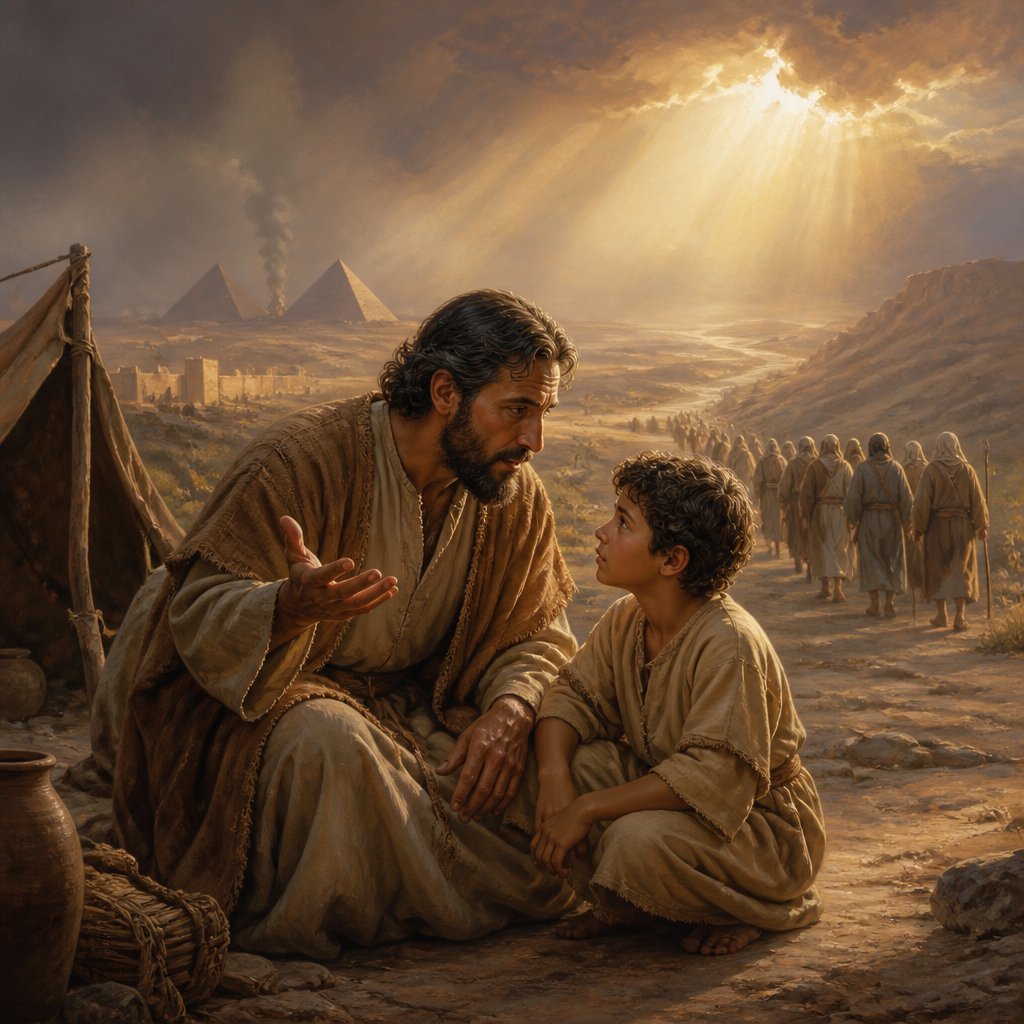
Deuteronomy 6:21 (KJV) states, "Then thou shalt say unto thy son, We were Pharaoh's bondmen in Egypt; and the LORD brought us out of Egypt with a mighty hand."
This verse is a part of the larger passage in Deuteronomy known as the Shema, which is a central prayer in the Jewish liturgy. It is recited twice daily by observant Jews and is considered to be a statement of faith and a declaration of the unity of God. The Shema is found in Deuteronomy 6:4-9 and serves as a reminder to the Israelites of their duty to love and obey God with all their hearts, souls, and might.
In the wider context of Deuteronomy 6, the passage addresses the Israelites' responsibility to pass on their faith and history to future generations. The verse immediately preceding 6:21 instructs the Israelites to teach their children diligently, speaking of God's commandments when they sit at home, walk along the road, lie down, and rise up. In the same vein, verse 21 instructs parents to recount the story of their slavery in Egypt and the Lord's deliverance to their children.
The verse captures the essence of the Passover story, which is a significant event in the history of the Israelites. The reference to being "Pharaoh's bondmen in Egypt" recalls the harsh bondage and oppression the Israelites endured under Egyptian rule. However, the verse also emphasizes the redemptive power of God, as it states that "the LORD brought us out of Egypt with a mighty hand." This part of the verse highlights the miraculous and awe-inspiring nature of the Exodus, where God intervened and liberated the Israelites from slavery through a series of supernatural acts and plagues.
The theme of remembering and recounting God's faithfulness and deliverance to future generations is central to this passage. By instructing parents to share the story of the Exodus with their children, the verse emphasizes the importance of passing on the collective memory and heritage of the Israelites. It serves as a way to ensure that the younger generation understands and appreciates the pivotal role of God in the history and identity of the nation of Israel.
The verse also symbolizes the concept of God as a deliverer and liberator. The image of God's "mighty hand" evokes a sense of power and authority, underscoring the idea that God is actively involved in the affairs of His people and is capable of delivering them from bondage and oppression. This imagery of God's intervention and salvation carries profound significance for the Israelites and continues to resonate with believers today as a testament to God's sovereignty and redemptive love.
Furthermore, the verse serves as a call to gratitude and faithfulness. By reminding the Israelites of their past enslavement and subsequent deliverance, it encourages them to be thankful for God's provision and to remain faithful to Him. The verse also reinforces the idea that the Israelites' identity and purpose are rooted in their relationship with God and their status as His chosen people.
In conclusion, Deuteronomy 6:21 is a poignant reminder of God's faithfulness and intervention in the history of the Israelites. It underscores the importance of passing on the legacy of faith and deliverance to future generations and encourages gratitude and obedience to God. The verse holds timeless significance as it continues to inspire believers to remember God's mighty acts and trust in His redemptive power.
Get our apps


Artwork for Deuteronomy 6:21

Deuteronomy 6:21 - "Then thou shalt say unto thy son, We were Pharaoh's bondmen in Egypt; and the LORD brought us out of Egypt with a mighty hand:"
"Then thou shalt say unto thy son, We were Pharaoh's bondmen in Egypt; and the LORD brought us out of Egypt with a mighty hand:" - Deuteronomy 6:21

Deuteronomy 21:6 - "And all the elders of that city, that are next unto the slain man, shall wash their hands over the heifer that is beheaded in the valley:"

Deuteronomy 1.1-21
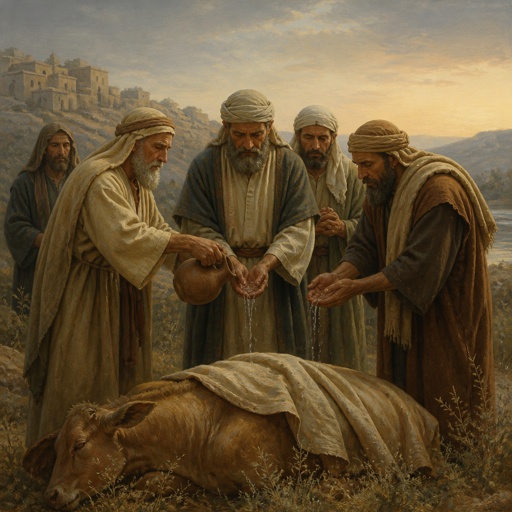
"And all the elders of that city, that are next unto the slain man, shall wash their hands over the heifer that is beheaded in the valley:" - Deuteronomy 21:6

Deuteronomy 6:6 - "And these words, which I command thee this day, shall be in thine heart:"

Matthew 21:21 Philippians 4:6-7 Ephesians 6:10-18 Put the words on the photo

Deuteronomy 34:5-6

Matthew 21:21 Philippians 4:6-7 Ephesians 6:10-18

Deuteronomy 27:21 - "Cursed be he that lieth with any manner of beast. And all the people shall say, Amen."

Deuteronomy 21:21 - "And all the men of his city shall stone him with stones, that he die: so shalt thou put evil away from among you; and all Israel shall hear, and fear."

Deuteronomy 7:21 - "Thou shalt not be affrighted at them: for the LORD thy God is among you, a mighty God and terrible."

Deuteronomy 21:7 - "And they shall answer and say, Our hands have not shed this blood, neither have our eyes seen it."

Deuteronomy 18:21 - "And if thou say in thine heart, How shall we know the word which the LORD hath not spoken?"

Genesis 21-6

Revelation 21:6

John 21:6

Deuteronomy 21:22 - "¶ And if a man have committed a sin worthy of death, and he be to be put to death, and thou hang him on a tree:"

Deuteronomy 6:4 - "Hear, O Israel: The LORD our God is one LORD:"

Deuteronomy 2:21 - "A people great, and many, and tall, as the Anakims; but the LORD destroyed them before them; and they succeeded them, and dwelt in their stead:"

John 21:6

John 21:6

John 21:6

Deuteronomy 33:6 - "¶ Let Reuben live, and not die; and let not his men be few."

Deuteronomy 24:21 - "When thou gatherest the grapes of thy vineyard, thou shalt not glean it afterward: it shall be for the stranger, for the fatherless, and for the widow."

Deuteronomy 21:12 - "Then thou shalt bring her home to thine house; and she shall shave her head, and pare her nails;"

Deuteronomy 21:11 - "And seest among the captives a beautiful woman, and hast a desire unto her, that thou wouldest have her to thy wife;"

Deuteronomy 15:21 - "And if there be any blemish therein, as if it be lame, or blind, or have any ill blemish, thou shalt not sacrifice it unto the LORD thy God."

Deuteronomy 19:21 - "And thine eye shall not pity; but life shall go for life, eye for eye, tooth for tooth, hand for hand, foot for foot."

Deuteronomy 21:2 - "Then thy elders and thy judges shall come forth, and they shall measure unto the cities which are round about him that is slain:"