What does Deuteronomy 6:9 mean?
“And thou shalt write them upon the posts of thy house, and on thy gates.” — Deuteronomy 6:9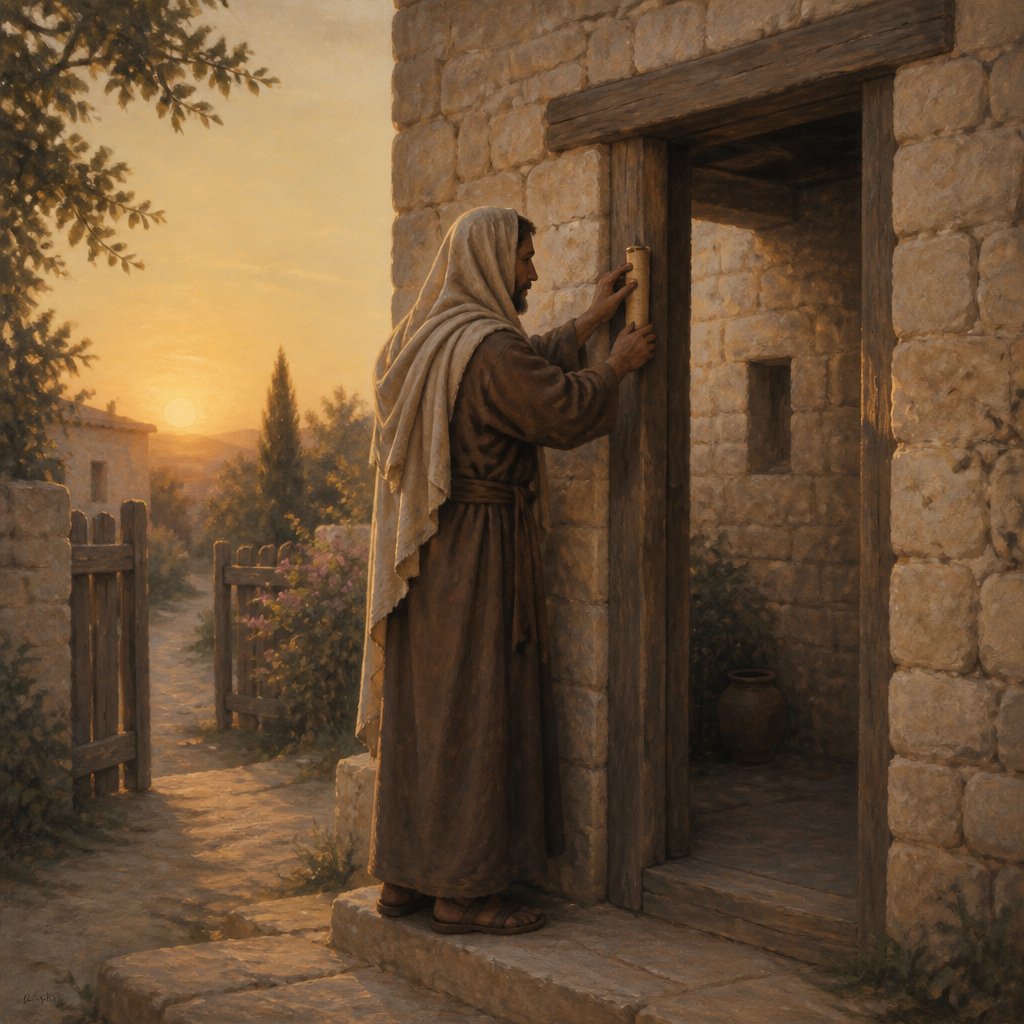
Deuteronomy 6:9 (KJV) states: "And thou shalt write them upon the posts of thy house, and on thy gates." This verse is part of the larger passage in Deuteronomy known as the "Shema," which is considered one of the most important prayers in Judaism, affirming the oneness of God. In this verse, Moses is instructing the Israelites to inscribe the words of the Shema on the doorposts of their houses and on their gates.
The larger context of this verse is important for understanding its significance. In the preceding verses, Moses is instructing the Israelites on the importance of keeping God's commandments and teaching them to their children. He emphasizes the need to love and serve God with all their heart, soul, and strength. In this verse, Moses is providing a tangible way for the Israelites to constantly be reminded of their commitment to God and His commandments by inscribing them on the doorposts of their homes and gates.
The act of inscribing God's commandments on their doorposts and gates serves multiple purposes. First, it serves as a constant reminder of their faith and commitment to God. Every time they enter or leave their homes, they would see the inscriptions and be reminded of the importance of obeying God's commandments and passing them on to the next generation. This practice reinforces the idea that faith is not just a private matter, but something that should be visibly displayed and shared within the community.
Symbolically, the act of inscribing the commandments on their doorposts and gates also serves as a form of protection. In ancient times, the doorposts and gates of a house were seen as significant boundary markers and points of entry and exit. By inscribing the words of the Shema on these entry points, the Israelites were symbolically inviting God's presence and protection into their homes. It was a way of acknowledging God's sovereignty over their dwelling and seeking His blessing and guidance as they entered and exited their homes.
The theme of remembrance is also central to this verse. By inscribing the commandments on their doorposts and gates, the Israelites were actively engaging in the practice of remembering and commemorating their faith. In Jewish tradition, the act of inscribing the Shema on the doorposts is known as "mezuzah," and it is still practiced today. The mezuzah serves as a physical reminder of God's presence and the covenant between God and the Jewish people.
Furthermore, this verse underscores the idea of living out one's faith in a tangible way. It emphasizes the importance of integrating one's beliefs into daily life, rather than confining them to a specific time or place. By inscribing the commandments on their doorposts and gates, the Israelites were making a public declaration of their faith and their commitment to following God's word.
In the broader Christian context, this verse can also be interpreted as a call for believers to visibly display their faith and commitment to God. It serves as a reminder that our faith should not be hidden or compartmentalized, but should be integrated into every aspect of our lives. It challenges us to consider how we can tangibly demonstrate our love for God and our commitment to following His commandments in our daily lives.
In conclusion, Deuteronomy 6:9 (KJV) carries rich symbolism and significant themes of remembrance, protection, and the integration of faith into daily life. The act of inscribing the commandments on the doorposts and gates served as a visual and tangible expression of the Israelites' commitment to God and His word. It challenges us to consider how we can similarly demonstrate our faith in a visible and tangible way, integrating it into every aspect of our lives.
Get our apps


Artwork for Deuteronomy 6:9

Deuteronomy 6:9 - "And thou shalt write them upon the posts of thy house, and on thy gates."
"And thou shalt write them upon the posts of thy house, and on thy gates." - Deuteronomy 6:9

Deuteronomy 9:6 - "Understand therefore, that the LORD thy God giveth thee not this good land to possess it for thy righteousness; for thou art a stiffnecked people."

Deuteronomy 6:6 - "And these words, which I command thee this day, shall be in thine heart:"

Deuteronomy 34:5-6
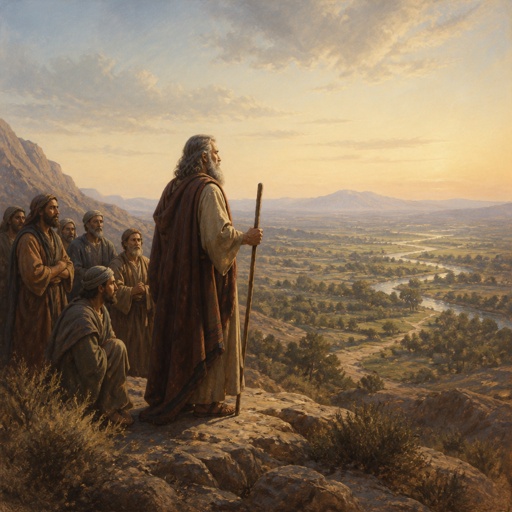
"Understand therefore, that the LORD thy God giveth thee not this good land to possess it for thy righteousness; for thou art a stiffnecked people." - Deuteronomy 9:6

Deuteronomy 32:9 - "For the LORD'S portion is his people; Jacob is the lot of his inheritance."

Deuteronomy 3:9 - "(Which Hermon the Sidonians call Sirion; and the Amorites call it Shenir;)"

Deuteronomy 9:22 - "And at Taberah, and at Massah, and at Kibroth-hattaavah, ye provoked the LORD to wrath."

Deuteronomy 6:4 - "Hear, O Israel: The LORD our God is one LORD:"

Deuteronomy 33:6 - "¶ Let Reuben live, and not die; and let not his men be few."

Deuteronomy 23:6 - "Thou shalt not seek their peace nor their prosperity all thy days for ever."

Deuteronomy 9:24 - "Ye have been rebellious against the LORD from the day that I knew you."

Deuteronomy 12:9 - "For ye are not as yet come to the rest and to the inheritance, which the LORD your God giveth you."

Deuteronomy 6:16 - "¶ Ye shall not tempt the LORD your God, as ye tempted him in Massah."

Deuteronomy 6:19 - "To cast out all thine enemies from before thee, as the LORD hath spoken."

Deuteronomy 26:6 - "And the Egyptians evil entreated us, and afflicted us, and laid upon us hard bondage:"

Deuteronomy 14:9 - "¶ These ye shall eat of all that are in the waters: all that have fins and scales shall ye eat:"

Deuteronomy 29:9 - "Keep therefore the words of this covenant, and do them, that ye may prosper in all that ye do."

"And these words, which I command thee this day, shall be in thine heart:" - Deuteronomy 6:6

Deuteronomy 24:6 - "¶ No man shall take the nether or the upper millstone to pledge: for he taketh a man's life to pledge."

Deuteronomy 6:13 - "Thou shalt fear the LORD thy God, and serve him, and shalt swear by his name."

Deuteronomy 1:9 - "¶ And I spake unto you at that time, saying, I am not able to bear you myself alone:"

Deuteronomy 9:20 - "And the LORD was very angry with Aaron to have destroyed him: and I prayed for Aaron also the same time."

Deuteronomy 9:8 - "Also in Horeb ye provoked the LORD to wrath, so that the LORD was angry with you to have destroyed you."

Deuteronomy 23:9 - "¶ When the host goeth forth against thine enemies, then keep thee from every wicked thing."
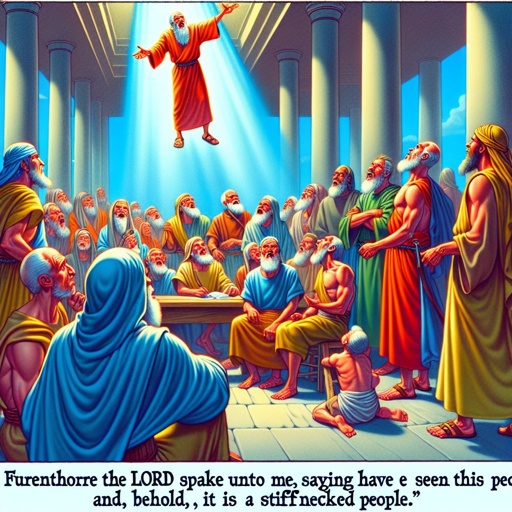
Deuteronomy 9:13 - "Furthermore the LORD spake unto me, saying, I have seen this people, and, behold, it is a stiffnecked people:"

Deuteronomy 6:14 - "Ye shall not go after other gods, of the gods of the people which are round about you;"

Deuteronomy 26:9 - "And he hath brought us into this place, and hath given us this land, even a land that floweth with milk and honey."

Deuteronomy 8:6 - "Therefore thou shalt keep the commandments of the LORD thy God, to walk in his ways, and to fear him."