What does Deuteronomy 7:16 mean?
“And thou shalt consume all the people which the LORD thy God shall deliver thee; thine eye shall have no pity upon them: neither shalt thou serve their gods; for that will be a snare unto thee.” — Deuteronomy 7:16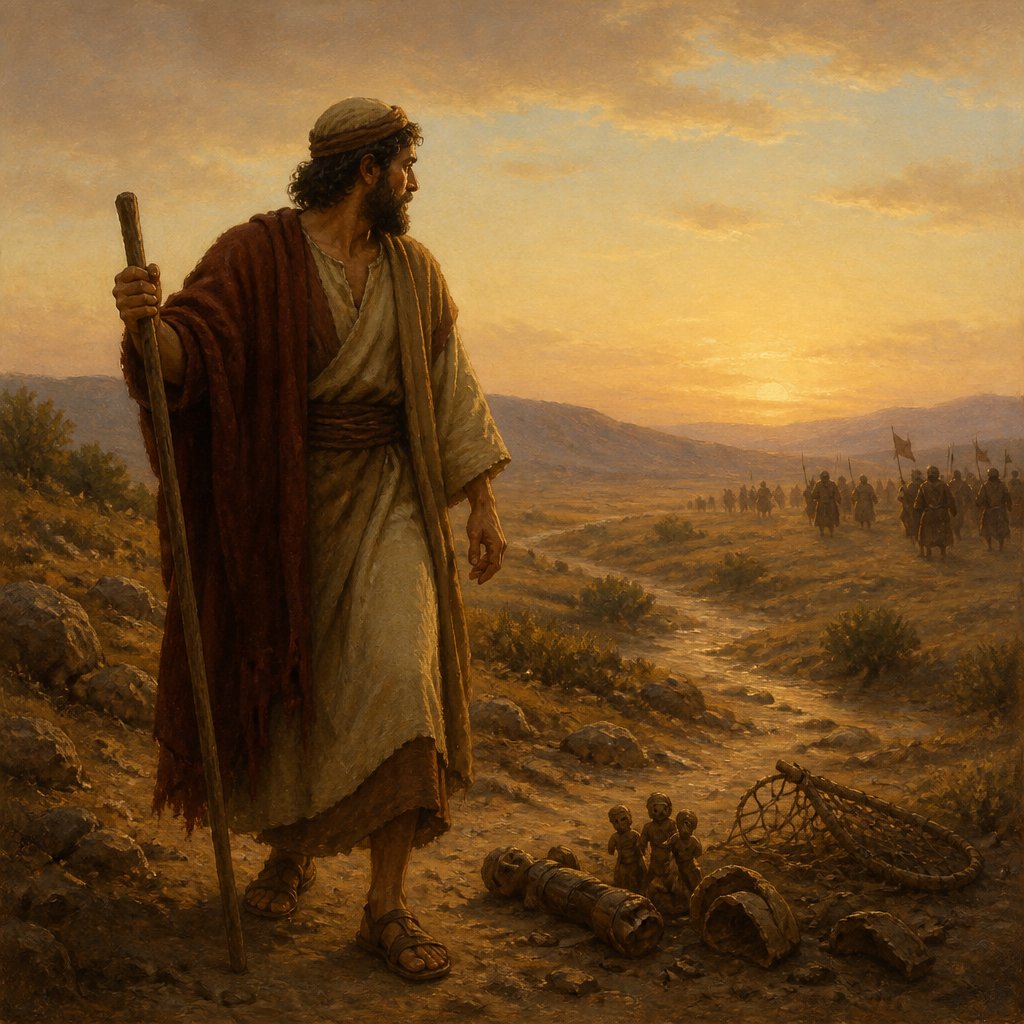
Deuteronomy 7:16 from the King James Version of the Bible reads, "And thou shalt consume all the people which the Lord thy God shall deliver thee; thine eye shall have no pity upon them: neither shalt thou serve their gods; for that will be a snare unto thee."
This verse is found in the book of Deuteronomy, which is the fifth book of the Hebrew Bible and the Christian Old Testament. It is part of the Torah, which is the central reference of the religious Judaic tradition. Deuteronomy is essentially a series of speeches delivered by Moses to the Israelites as they are about to enter the Promised Land. These speeches contain a mixture of laws, ethical teachings, and warnings to the people as they are about to embark on this new chapter of their history.
In Deuteronomy 7:16, Moses is cautioning the Israelites against showing any mercy to the inhabitants of the land that God will deliver into their hands. This may seem harsh or even excessive to modern readers, but it is important to understand the context in which this command was given. The people living in the Promised Land were considered morally corrupt and idolatrous, and God had promised to drive them out and give the land to the Israelites as their inheritance. Thus, the command to consume all the people without pity was a means of ensuring the purity and allegiance of the Israelites to their God.
One of the themes that can be drawn from this verse is the concept of absolute loyalty and devotion to God. The Israelites were being called to completely separate themselves from the practices and beliefs of the surrounding nations, and to serve only the Lord their God. This reflects the broader theme of monotheism and the importance of following the one true God as opposed to the polytheistic religions of the time.
Another theme present in this verse is the idea of spiritual warfare. The command to consume all the people can be understood as a metaphor for the Israelites' spiritual battle against the influences of idolatry and sin. By refusing to show pity or serve the gods of the land, the Israelites were to protect themselves from being ensnared by the spiritual dangers that surrounded them. This theme of spiritual warfare is a recurring motif throughout the Bible, as believers are called to resist the temptations and influences of the world in order to remain faithful to God.
The symbolism found in this verse is also significant. The idea of consuming all the people can be seen as a symbolic act of purification and consecration. By removing the inhabitants of the land, the Israelites were preparing the land for their own occupation and establishing it as a holy place dedicated to the worship of God. This act symbolizes the importance of spiritual cleansing and commitment to living in accordance with God's will.
In conclusion, Deuteronomy 7:16 contains important themes of loyalty, spiritual warfare, and purity. While the command may seem harsh and difficult to understand from a modern perspective, it is important to consider the historical and cultural context in which it was given. The verse serves as a reminder of the importance of remaining faithful to God and resisting the temptations and influences of the world. It also symbolizes the call to spiritual purification and consecration as believers strive to live according to God's will.
Get our apps


Artwork for Deuteronomy 7:16

Deuteronomy 7:16 - "And thou shalt consume all the people which the LORD thy God shall deliver thee; thine eye shall have no pity upon them: neither shalt thou serve their gods; for that will be a snare unto thee."
"And thou shalt consume all the people which the LORD thy God shall deliver thee; thine eye shall have no pity upon them: neither shalt thou serve their gods; for that will be a snare unto thee." - Deuteronomy 7:16

Deuteronomy 16:7 - "And thou shalt roast and eat it in the place which the LORD thy God shall choose: and thou shalt turn in the morning, and go unto thy tents."

Deuteronomy 20:16

Deuteronomy 20:16

Deuteronomy 20:16

Deuteronomy 14:16 - "The little owl, and the great owl, and the swan,"

Deuteronomy 10:16 - "Circumcise therefore the foreskin of your heart, and be no more stiffnecked."

Deuteronomy 28:16 - "Cursed shalt thou be in the city, and cursed shalt thou be in the field."

Deuteronomy 32:16 - "They provoked him to jealousy with strange gods, with abominations provoked they him to anger."

Deuteronomy 6:16 - "¶ Ye shall not tempt the LORD your God, as ye tempted him in Massah."

Deuteronomy 3:7 - "But all the cattle, and the spoil of the cities, we took for a prey to ourselves."

Deuteronomy 19:16 - "¶ If a false witness rise up against any man to testify against him that which is wrong;"

Deuteronomy 16:12 - "And thou shalt remember that thou wast a bondman in Egypt: and thou shalt observe and do these statutes."
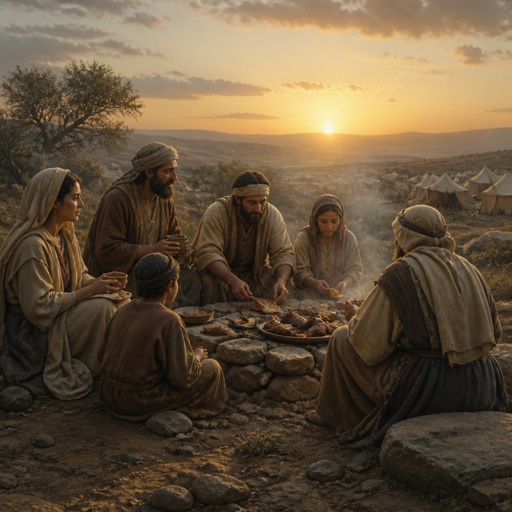
"And thou shalt roast and eat it in the place which the LORD thy God shall choose: and thou shalt turn in the morning, and go unto thy tents." - Deuteronomy 16:7

Deuteronomy 12:16 - "Only ye shall not eat the blood; ye shall pour it upon the earth as water."

Deuteronomy 25:16 - "For all that do such things, and all that do unrighteously, are an abomination unto the LORD thy God."

Deuteronomy 5:7 - "Thou shalt have none other gods before me."

Deuteronomy 2:16 - "¶ So it came to pass, when all the men of war were consumed and dead from among the people,"

Deuteronomy 27:16 - "Cursed be he that setteth light by his father or his mother. And all the people shall say, Amen."

"The little owl, and the great owl, and the swan," - Deuteronomy 14:16

Deuteronomy 11:16 - "Take heed to yourselves, that your heart be not deceived, and ye turn aside, and serve other gods, and worship them;"

Deuteronomy 4:16 - "Lest ye corrupt yourselves, and make you a graven image, the similitude of any figure, the likeness of male or female,"

Genesis 16:7

Deuteronomy 16:22 - "Neither shalt thou set thee up any image; which the LORD thy God hateth."

Deuteronomy 16:13 - "¶ Thou shalt observe the feast of tabernacles seven days, after that thou hast gathered in thy corn and thy wine:"

Deuteronomy 19:7 - "Wherefore I command thee, saying, Thou shalt separate three cities for thee."

Deuteronomy 16:5 - "Thou mayest not sacrifice the passover within any of thy gates, which the LORD thy God giveth thee:"

Deuteronomy 10:7 - "From thence they journeyed unto Gudgodah; and from Gudgodah to Jotbath, a land of rivers of waters."

Deuteronomy 11:7 - "But your eyes have seen all the great acts of the LORD which he did."