What does Deuteronomy 7:9 mean?
“Know therefore that the LORD thy God, he is God, the faithful God, which keepeth covenant and mercy with them that love him and keep his commandments to a thousand generations;” — Deuteronomy 7:9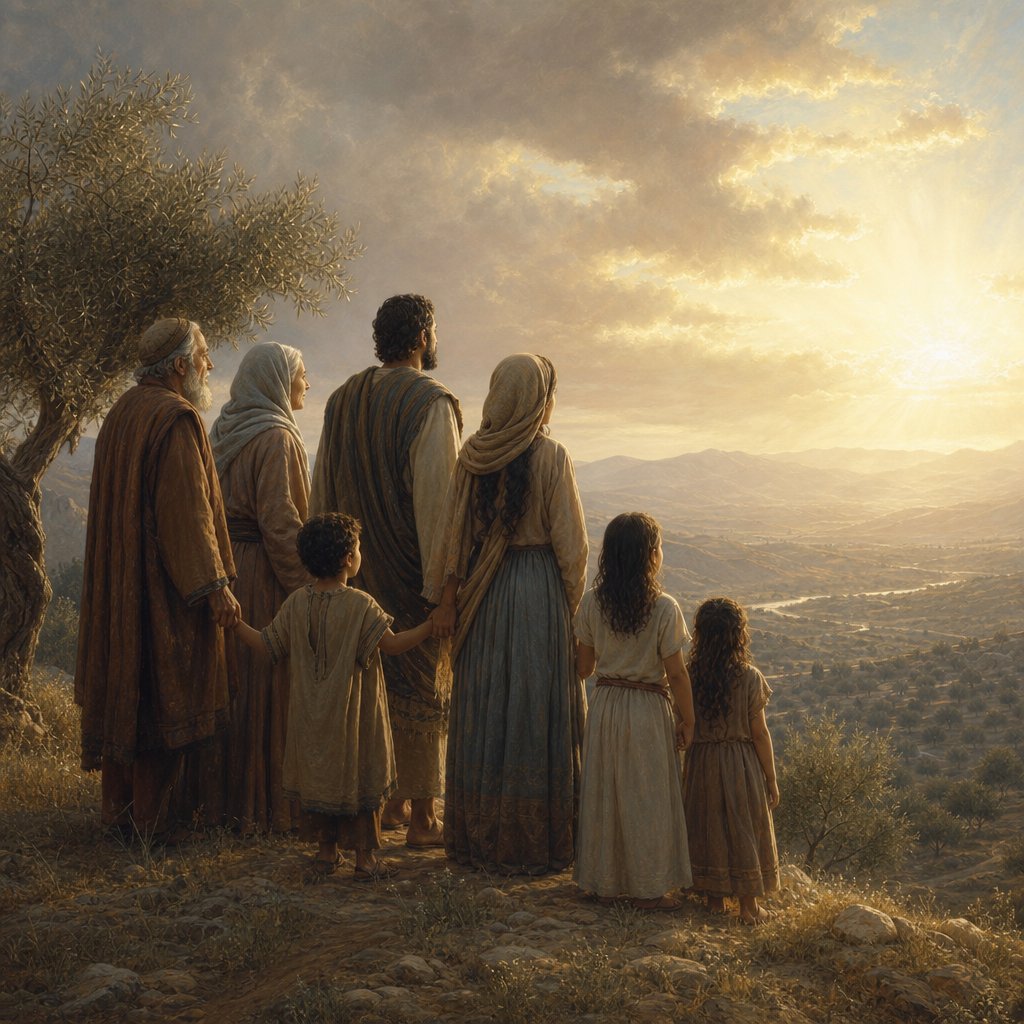
“Know therefore that the LORD thy God, he is God, the faithful God, which keepeth covenant and mercy with them that love him and keep his commandments to a thousand generations” (Deuteronomy 7:9, KJV). In its plain sense, this verse is a call to Israel to live with settled certainty about who God is and how he deals with his people. The word “Know” is not mere information; it is covenant knowledge meant to steady the heart and govern the life. Moses is pressing Israel to carry this conviction into the land they are about to possess: whatever they face, the LORD is not changeable, not local, not one power among many. “The LORD thy God, he is God” is a declaration of exclusivity and supremacy in a world filled with nations and idols, and it places all obedience and all hope on the one true God.
The immediate context of Deuteronomy 7 is Israel’s entrance into Canaan and the dangers that would follow: entanglement with the nations, attraction to their gods, intermarriage, compromise, and spiritual forgetfulness. Earlier in the chapter the LORD speaks of setting Israel apart and loving them, not because of their greatness, but because of his love and his oath. In that setting, Deuteronomy 7:9 functions as an anchor. Israel is commanded to destroy idolatry and refuse alliances that would corrupt worship, not because God is arbitrary or harsh, but because he is “the faithful God.” His faithfulness is the moral and spiritual logic behind Israel’s separation. The verse tells them that God’s demands are not the whims of a tribal deity; they are the terms of a covenant relationship maintained by a God who keeps his word.
Two great themes dominate the verse: God’s character and God’s covenant dealings. First, God is “the faithful God.” Faithfulness here means he is steady, dependable, true to himself, and true to what he has promised. Israel’s future does not rest on their ability to predict events or manage nations; it rests on the unshakable reliability of the LORD. In Deuteronomy, where Moses repeatedly warns against forgetting and turning aside, the emphasis on God’s faithfulness highlights a contrast: people are prone to wander, but God is not. The verse invites Israel to see obedience not as a gamble but as trustful response to a trustworthy Lord.
Second, the verse speaks of God as the one “which keepeth covenant and mercy.” The pairing of “covenant and mercy” is rich. The covenant is God’s binding commitment, his pledged relationship defined by promises and stipulations. “Mercy” in this verse is not a passing tenderness; it is covenant mercy, steadfast love shown within a pledged bond. The text does not present mercy as God lowering his holiness, but as God’s loyal goodness expressed according to his covenant. In other words, God’s mercy is not disconnected from his truth; it is mercy that keeps faith with what he has spoken. This deepens the significance: Israel can rely on mercy because God is faithful, and they can rely on covenant because it is sustained by mercy. Together they reveal a God who is both morally firm and relationally committed.
The verse also gives the human side of the covenant relationship: God keeps “covenant and mercy with them that love him and keep his commandments.” Love and obedience are joined, not separated. In Deuteronomy, loving God is not merely an inward feeling; it is allegiance, choosing him above all rivals, cleaving to him in worship and life. “Keep his commandments” describes the outward shape of that love. The verse is not teaching that humans earn God’s faithfulness; it is teaching that God’s covenant dealings are experienced by those who remain within covenant loyalty. The language assumes relationship: those who “love him” are not strangers trying to purchase favor; they are the covenant people called to answer God’s love with faithful devotion. The expression also guards against a false confidence that claims God’s promises while refusing God’s rule. In Deuteronomy’s setting, that warning matters because the temptations of Canaan would invite Israel to keep the LORD as one god among others. The verse refuses that: covenant mercy is with those who love him and keep his commandments.
The phrase “to a thousand generations” carries both symbolism and comfort. It is not a mathematical limit so much as a way of expressing immense, overflowing duration. In the biblical idiom, “a thousand” often signals fullness and vastness. The point is that God’s covenant mercy is not short-lived, not fragile, not limited to the immediate moment. It reaches far beyond the present generation into an almost unimaginable future, making the people’s obedience and worship weighty with long-range significance. This does not remove the real warnings elsewhere in the chapter and in Deuteronomy about judgment for turning aside; rather, it frames the LORD’s basic posture toward his covenant as enduring faithfulness. The long horizon is meant to produce reverence and hope: reverence, because Israel’s choices affect generations; hope, because God’s commitment outlasts human instability.
There is also a subtle covenant courtroom tone in the verse. “Know therefore” sounds like the conclusion of an argument: since God has chosen, loved, and sworn, therefore recognize who he is. The verse is meant to settle disputes in the mind. When Israel faces fortified cities, foreign gods with impressive rituals, or the fear of being outnumbered, the truth they must “know” is that the LORD is God and he is faithful. The spiritual battle is first a battle of knowledge and remembrance. Deuteronomy repeatedly insists that forgetting leads to idolatry, and remembering leads to obedience. Deuteronomy 7:9 compresses that whole theology into a single statement of identity and promise.
In significance, Deuteronomy 7:9 reveals a God whose supremacy demands exclusive devotion, whose faithfulness makes his promises dependable, and whose covenant mercy provides a stable foundation for a people living amid constant temptation to compromise. It teaches that obedience is not detached moralism but covenant response to a faithful Lord, and it stretches the meaning of present faithfulness across generations, showing that God’s dealings with his people are not momentary but enduring. In the midst of a chapter that commands separation from idolatry and warns against assimilation, this verse supplies the reason to trust, the reason to obey, and the reason to hope: “the LORD thy God, he is God, the faithful God.”
Get our apps


Artwork for Deuteronomy 7:9

"Know therefore that the LORD thy God, he is God, the faithful God, which keepeth covenant and mercy with them that love him and keep his commandments to a thousand generations;" - Deuteronomy 7:9

Deuteronomy 7:9 - "Know therefore that the LORD thy God, he is God, the faithful God, which keepeth covenant and mercy with them that love him and keep his commandments to a thousand generations;"
![Know therefore that the LORD thy God, he [is] God, the faithful God, which keepeth covenant and mercy with them that love him and keep his commandments to a thousand generations;
Deuteronomy 7:9](https://media.bible.art/1bf6bc5f-0ee9-47d1-8767-d87f74139992-thumbnail.jpg)
Know therefore that the LORD thy God, he [is] God, the faithful God, which keepeth covenant and mercy with them that love him and keep his commandments to a thousand generations; Deuteronomy 7:9
![Know therefore that the LORD thy God, he [is] God, the faithful God, which keepeth covenant and mercy with them that love him and keep his commandments to a thousand generations;
Deuteronomy 7:9](https://media.bible.art/0bd1c877-66bf-4873-b0f4-60a555f822ee-thumbnail.jpg)
Know therefore that the LORD thy God, he [is] God, the faithful God, which keepeth covenant and mercy with them that love him and keep his commandments to a thousand generations; Deuteronomy 7:9
![Know therefore that the LORD thy God, he [is] God, the faithful God, which keepeth covenant and mercy with them that love him and keep his commandments to a thousand generations;
Deuteronomy 7:9](https://media.bible.art/ff8f4232-92d5-42b0-b0c8-c9e61f0e4474-thumbnail.jpg)
Know therefore that the LORD thy God, he [is] God, the faithful God, which keepeth covenant and mercy with them that love him and keep his commandments to a thousand generations; Deuteronomy 7:9

"Know therefore that the LORD thy God, he is God, the faithful God, which keepeth covenant and mercy with them that love him and keep his commandments to a thousand generations;" - Deuteronomy 7:9
!["Know therefore that the LORD thy God, he [is] God, the faithful God, which keepeth covenant and mercy with them that love him and keep his commandments to a thousand generations;" - Deuteronomy 7:9](https://media.bible.art/0ac331e0-cd15-42cb-b162-6fdfffd70681-thumbnail.jpg)
"Know therefore that the LORD thy God, he [is] God, the faithful God, which keepeth covenant and mercy with them that love him and keep his commandments to a thousand generations;" - Deuteronomy 7:9
"Know therefore that the LORD thy God, he is God, the faithful God, which keepeth covenant and mercy with them that love him and keep his commandments to a thousand generations;" - Deuteronomy 7:9
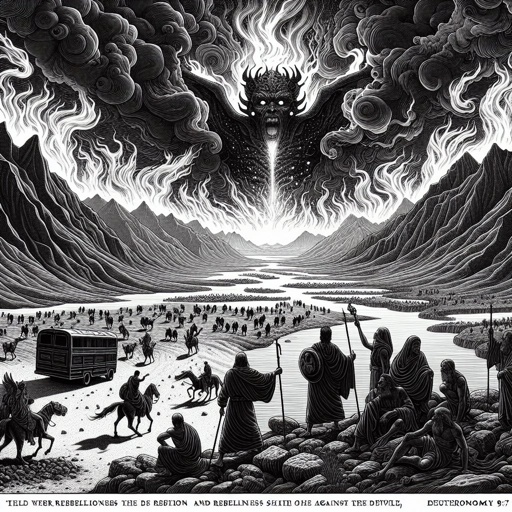
Deuteronomy 9:7 - "¶ Remember, and forget not, how thou provokedst the LORD thy God to wrath in the wilderness: from the day that thou didst depart out of the land of Egypt, until ye came unto this place, ye have been rebellious against the LORD."

Deuteronomy 32:9 - "For the LORD'S portion is his people; Jacob is the lot of his inheritance."

Deuteronomy 3:9 - "(Which Hermon the Sidonians call Sirion; and the Amorites call it Shenir;)"

Deuteronomy 9:22 - "And at Taberah, and at Massah, and at Kibroth-hattaavah, ye provoked the LORD to wrath."

Deuteronomy 3:7 - "But all the cattle, and the spoil of the cities, we took for a prey to ourselves."

Deuteronomy 5:7 - "Thou shalt have none other gods before me."

Deuteronomy 6:9 - "And thou shalt write them upon the posts of thy house, and on thy gates."

Deuteronomy 9:24 - "Ye have been rebellious against the LORD from the day that I knew you."

Deuteronomy 12:9 - "For ye are not as yet come to the rest and to the inheritance, which the LORD your God giveth you."

Deuteronomy 19:7 - "Wherefore I command thee, saying, Thou shalt separate three cities for thee."

Deuteronomy 14:9 - "¶ These ye shall eat of all that are in the waters: all that have fins and scales shall ye eat:"

Deuteronomy 29:9 - "Keep therefore the words of this covenant, and do them, that ye may prosper in all that ye do."

Deuteronomy 10:7 - "From thence they journeyed unto Gudgodah; and from Gudgodah to Jotbath, a land of rivers of waters."

Deuteronomy 11:7 - "But your eyes have seen all the great acts of the LORD which he did."

Deuteronomy 9:20 - "And the LORD was very angry with Aaron to have destroyed him: and I prayed for Aaron also the same time."

Deuteronomy 1:9 - "¶ And I spake unto you at that time, saying, I am not able to bear you myself alone:"

Deuteronomy 9:8 - "Also in Horeb ye provoked the LORD to wrath, so that the LORD was angry with you to have destroyed you."

Deuteronomy 23:9 - "¶ When the host goeth forth against thine enemies, then keep thee from every wicked thing."
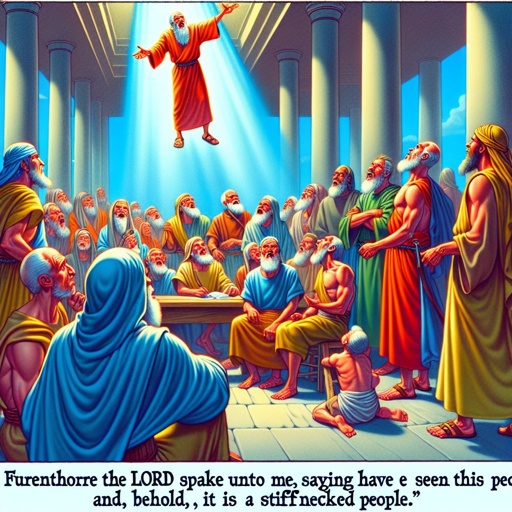
Deuteronomy 9:13 - "Furthermore the LORD spake unto me, saying, I have seen this people, and, behold, it is a stiffnecked people:"

Deuteronomy 27:7 - "And thou shalt offer peace offerings, and shalt eat there, and rejoice before the LORD thy God."

Deuteronomy 7:21 - "Thou shalt not be affrighted at them: for the LORD thy God is among you, a mighty God and terrible."

Deuteronomy 26:9 - "And he hath brought us into this place, and hath given us this land, even a land that floweth with milk and honey."