What does Deuteronomy 8:4 mean?
“Thy raiment waxed not old upon thee, neither did thy foot swell, these forty years.” — Deuteronomy 8:4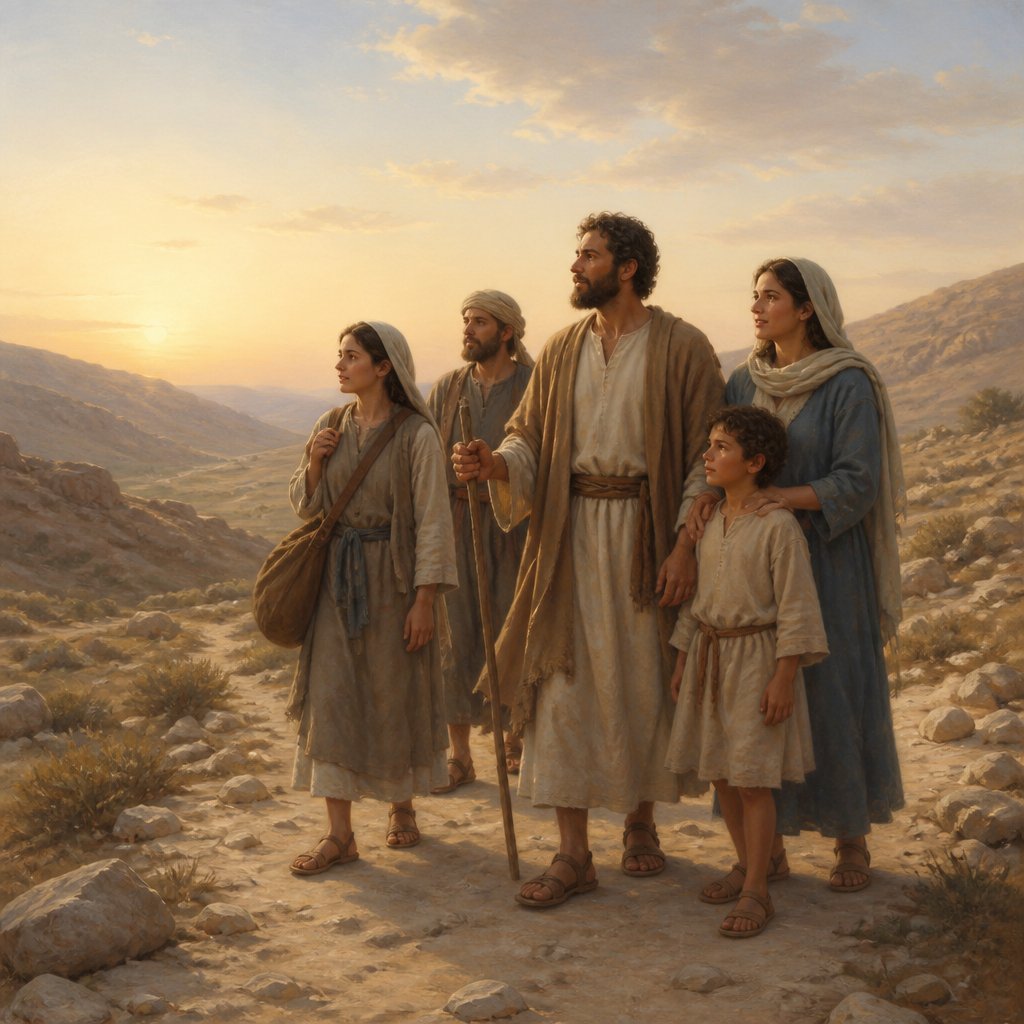
Deuteronomy 8:4 in the King James Version of the Bible reads, "Thy raiment waxed not old upon thee, neither did thy foot swell, these forty years." This verse is part of a larger passage in which Moses is instructing the Israelites as they prepare to enter the Promised Land. The verse speaks to the miraculous provision and protection that God bestowed upon the Israelites during their forty years in the wilderness.
The context of this verse is important for understanding its significance. The Israelites had been wandering in the wilderness for forty years, as a consequence for their disobedience and lack of faith in God. During this time, God provided for them by ensuring that their clothing did not wear out and that their feet did not swell from the long journey. This divine provision is a testament to God's faithfulness and care for His people, despite their shortcomings.
One of the key themes of Deuteronomy 8:4 is God's faithfulness and provision. This verse serves as a reminder of how God sustained the Israelites through their desert journey, even in the face of their disobedience. It shows that God is faithful to His promises and will provide for His people, even in the most challenging circumstances.
Another theme in this verse is the concept of obedience and faithfulness. The Israelites' wanderings in the wilderness were a result of their disobedience and lack of faith in God's promises. However, even in their disobedience, God continued to care for them and provide for their needs. This serves as a powerful reminder of God's grace and patience with His people, despite their failings.
The symbolism in this verse is also significant. The fact that the Israelites' clothing did not wear out and their feet did not swell can be seen as a symbol of God's enduring provision and protection. It serves as a reminder that God is able to sustain His people in seemingly impossible situations, and that His care is constant and unwavering.
The larger context of this verse also holds symbolic significance. The forty years in the wilderness can be seen as a time of testing and refinement for the Israelites. It was a period of learning to rely fully on God and His provision, and of growing in obedience and faith. This can serve as a symbol for the journey of faith for all believers, as they navigate through the trials and challenges of life, learning to trust in God's provision and care.
Overall, Deuteronomy 8:4 is a powerful reminder of God's faithfulness, provision, and care for His people. It serves as a symbol of the enduring nature of God's love and grace, and as a reminder of the importance of obedience and faithfulness in the journey of faith. This verse continues to be a source of encouragement and hope for believers, reminding them of God's unwavering care and provision, even in the midst of life's challenges.
Get our apps


Artwork for Deuteronomy 8:4

Deuteronomy 8:4 - "Thy raiment waxed not old upon thee, neither did thy foot swell, these forty years."
"Thy raiment waxed not old upon thee, neither did thy foot swell, these forty years." - Deuteronomy 8:4

Deuteronomy 4:8 - "And what nation is there so great, that hath statutes and judgments so righteous as all this law, which I set before you this day?"

deuteronomy 31 8

Deuteronomy 31:8

Deuteronomy 8:8 - "A land of wheat, and barley, and vines, and fig trees, and pomegranates; a land of oil olive, and honey;"

Deuteronomy 26:4-10

Deuteronomy 26:4-10

Deuteronomy 4:4 - "But ye that did cleave unto the LORD your God are alive every one of you this day."
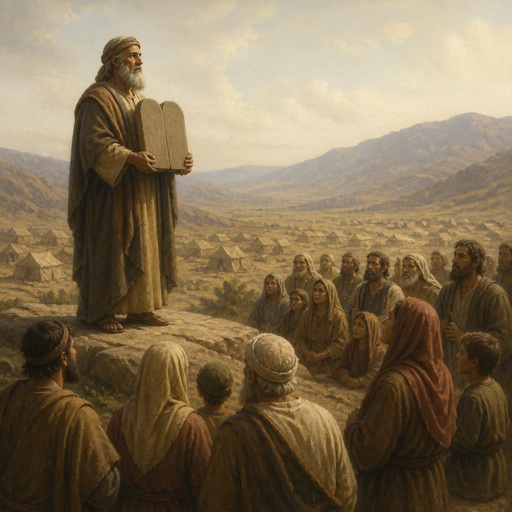
"And what nation is there so great, that hath statutes and judgments so righteous as all this law, which I set before you this day?" - Deuteronomy 4:8

Deuteronomy 23:8 - "The children that are begotten of them shall enter into the congregation of the LORD in their third generation."

Deuteronomy 34:1-4 – Moses views the Promised Land from Mount Nebo.

Deuteronomy 34:1-4 – Moses views the Promised Land from Mount Nebo.

Deuteronomy 34:1-4 – Moses views the Promised Land from Mount Nebo.

Deuteronomy 4:44 - "¶ And this is the law which Moses set before the children of Israel:"

Deuteronomy 27:8 - "And thou shalt write upon the stones all the words of this law very plainly."

Deuteronomy 33:4 - "Moses commanded us a law, even the inheritance of the congregation of Jacob."

Deuteronomy 12:4 - "Ye shall not do so unto the LORD your God."

Deuteronomy 34:1-4 – Moses views the Promised Land from Mount Nebo.

Deuteronomy 6:4 - "Hear, O Israel: The LORD our God is one LORD:"

Deuteronomy 34:1-4 – Moses views the Promised Land from Mount Nebo.

Deuteronomy 18:8 - "They shall have like portions to eat, beside that which cometh of the sale of his patrimony."

Deuteronomy 4:24 - "For the LORD thy God is a consuming fire, even a jealous God."

Deuteronomy 34:1-4 – Moses views the Promised Land from Mount Nebo.

Deuteronomy 34:1-4 – Moses views the Promised Land from Mount Nebo.

Deuteronomy 4:41 - "¶ Then Moses severed three cities on this side Jordan toward the sunrising;"

Deuteronomy 14:4 - "These are the beasts which ye shall eat: the ox, the sheep, and the goat,"

Deuteronomy 29:8 - "And we took their land, and gave it for an inheritance unto the Reubenites, and to the Gadites, and to the half tribe of Manasseh."

Deuteronomy 25:4 - "¶ Thou shalt not muzzle the ox when he treadeth out the corn."

Deuteronomy 5:4 - "The LORD talked with you face to face in the mount out of the midst of the fire,"