What does Deuteronomy 8:5 mean?
“Thou shalt also consider in thine heart, that, as a man chasteneth his son, so the LORD thy God chasteneth thee.” — Deuteronomy 8:5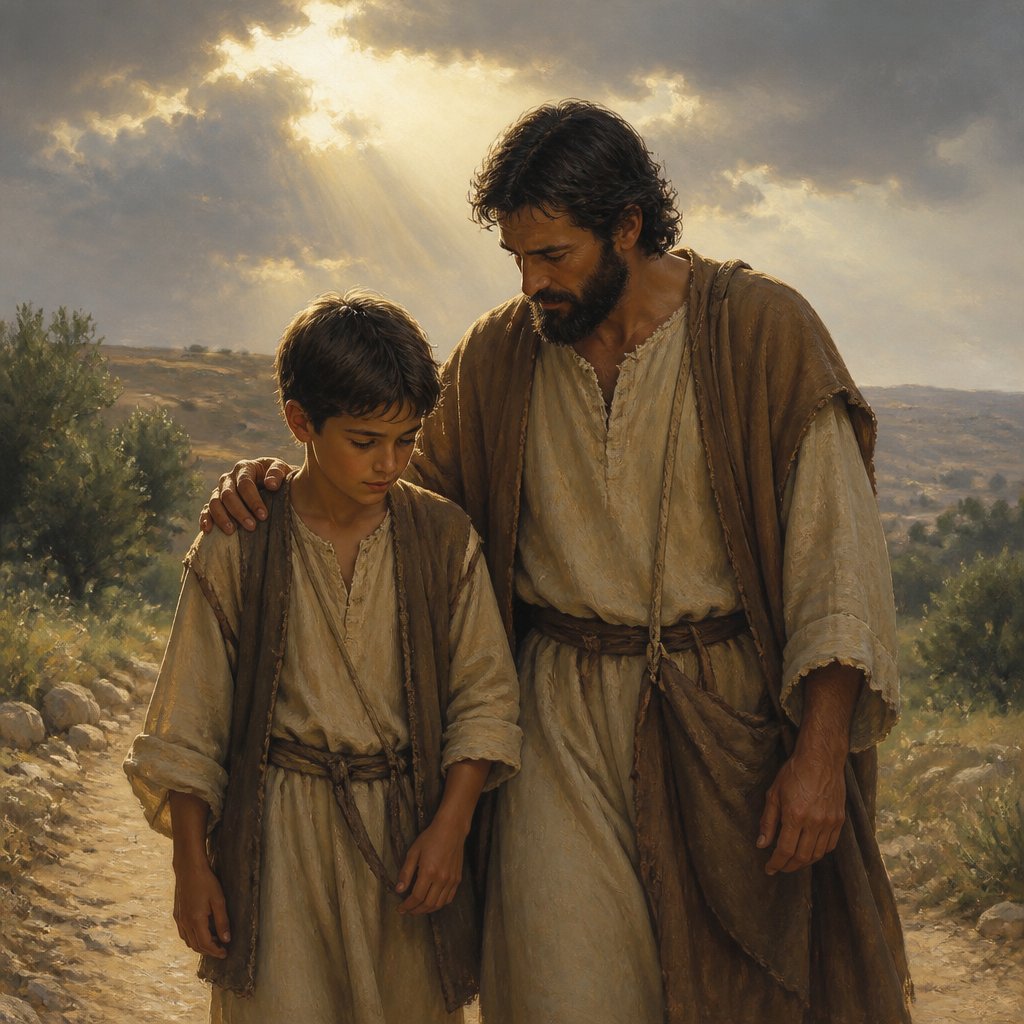
Deuteronomy 8:5 (KJV) - "Thou shalt also consider in thine heart, that, as a man chasteneth his son, so the Lord thy God chasteneth thee."
This verse from the book of Deuteronomy contains a profound message about the nature of God's discipline and correction. The context of this verse is within the larger narrative of the Israelites' journey through the wilderness following their exodus from Egypt. Moses, the leader of the Israelites, is delivering a series of speeches to the people, recounting the events of their history and reminding them of the laws and commandments given to them by God. In this particular passage, Moses emphasizes the importance of remembering the ways in which God has disciplined and taught them, as a father does with his own children.
The theme of discipline and correction is a central aspect of this verse. The use of the word "chasten" conveys a sense of discipline that is intended to instruct and guide, rather than merely punish. In the context of the Israelites' journey, this discipline took the form of various trials and challenges that they faced in the wilderness. Through these experiences, God sought to teach the Israelites important lessons about obedience, faith, and dependence on Him. The comparison to a father chastening his son highlights the loving and nurturing aspect of God's discipline, emphasizing that it is ultimately for the benefit and growth of His people.
The broader cultural and historical context of this verse is important for understanding its significance. In the ancient Near Eastern world, the concept of divine discipline was often understood in the context of the relationship between a deity and his people. Many ancient societies believed that their gods would discipline them in response to disobedience or unfaithfulness. In the case of the Israelites, the concept of divine discipline was a key aspect of their covenant relationship with God. The discipline they experienced was not arbitrary or capricious, but was a reflection of God's faithfulness to His covenant promises and His desire to shape them into a faithful and obedient people.
The symbolism in this verse extends beyond the immediate context of the Israelites in the wilderness. The image of God as a loving father chastening His children has deep significance for the Christian understanding of God's character. Throughout the Bible, God is portrayed as a loving and compassionate father who disciplines His children for their good. This idea is echoed in the New Testament, particularly in the book of Hebrews, which emphasizes the importance of enduring discipline as a mark of God's love for His people.
Furthermore, this verse also speaks to the broader theological theme of the purpose of suffering and hardship in the life of a believer. The idea that God's discipline is ultimately for our benefit can be a source of comfort and encouragement, especially in times of trial and difficulty. It reminds believers that even in the midst of suffering, God is at work, shaping and molding them into the people He intends them to be.
In conclusion, Deuteronomy 8:5 conveys a powerful message about the nature of God's discipline and correction. It encourages believers to remember the ways in which God has guided and taught them through difficult experiences, and to trust in His loving and nurturing care. The imagery of God as a father chastening His children speaks to the enduring significance of this verse for understanding God's character and the purpose of suffering in the Christian life.
Get our apps


Artwork for Deuteronomy 8:5

Deuteronomy 8:5 - "Thou shalt also consider in thine heart, that, as a man chasteneth his son, so the LORD thy God chasteneth thee."
"Thou shalt also consider in thine heart, that, as a man chasteneth his son, so the LORD thy God chasteneth thee." - Deuteronomy 8:5

Deuteronomy 5:8 - "Thou shalt not make thee any graven image, or any likeness of any thing that is in heaven above, or that is in the earth beneath, or that is in the waters beneath the earth:"

deuteronomy 31 8

Deuteronomy 31:8
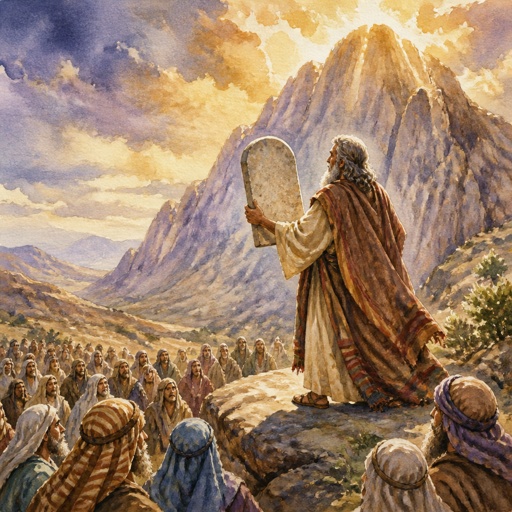
Deuteronomy 5 pictures

Deuteronomy 8:8 - "A land of wheat, and barley, and vines, and fig trees, and pomegranates; a land of oil olive, and honey;"

Deuteronomy 5:17 - "Thou shalt not kill."

Deuteronomy 34:5-6

Deuteronomy 5:19 - "Neither shalt thou steal."

Deuteronomy 5:18 - "Neither shalt thou commit adultery."

Deuteronomy 28:5 - "Blessed shall be thy basket and thy store."

Deuteronomy 5:2 - "The LORD our God made a covenant with us in Horeb."

Deuteronomy 5:30 - "Go say to them, Get you into your tents again."
"Thou shalt not make thee any graven image, or any likeness of any thing that is in heaven above, or that is in the earth beneath, or that is in the waters beneath the earth:" - Deuteronomy 5:8

Deuteronomy 23:8 - "The children that are begotten of them shall enter into the congregation of the LORD in their third generation."

"Thou shalt not kill." - Deuteronomy 5:17

Deuteronomy 5:7 - "Thou shalt have none other gods before me."

Deuteronomy 5:13 - "Six days thou shalt labour, and do all thy work:"

Deuteronomy 1:5 - "On this side Jordan, in the land of Moab, began Moses to declare this law, saying,"

Luke 8:5-8

Deuteronomy 5:5 - "(I stood between the LORD and you at that time, to shew you the word of the LORD: for ye were afraid by reason of the fire, and went not up into the mount;) saying,"

Deuteronomy 27:8 - "And thou shalt write upon the stones all the words of this law very plainly."

Deuteronomy 5:20 - "Neither shalt thou bear false witness against thy neighbour."

Deuteronomy 5:4 - "The LORD talked with you face to face in the mount out of the midst of the fire,"

Deuteronomy 32:5 - "They have corrupted themselves, their spot is not the spot of his children: they are a perverse and crooked generation."

Deuteronomy 14:5 - "The hart, and the roebuck, and the fallow deer, and the wild goat, and the pygarg, and the wild ox, and the chamois."

Deuteronomy 5:10 - "And shewing mercy unto thousands of them that love me and keep my commandments."

Deuteronomy 5:12 - "Keep the sabbath day to sanctify it, as the LORD thy God hath commanded thee."

Deuteronomy 18:8 - "They shall have like portions to eat, beside that which cometh of the sale of his patrimony."