What does Deuteronomy 9:15 mean?
“So I turned and came down from the mount, and the mount burned with fire: and the two tables of the covenant were in my two hands.” — Deuteronomy 9:15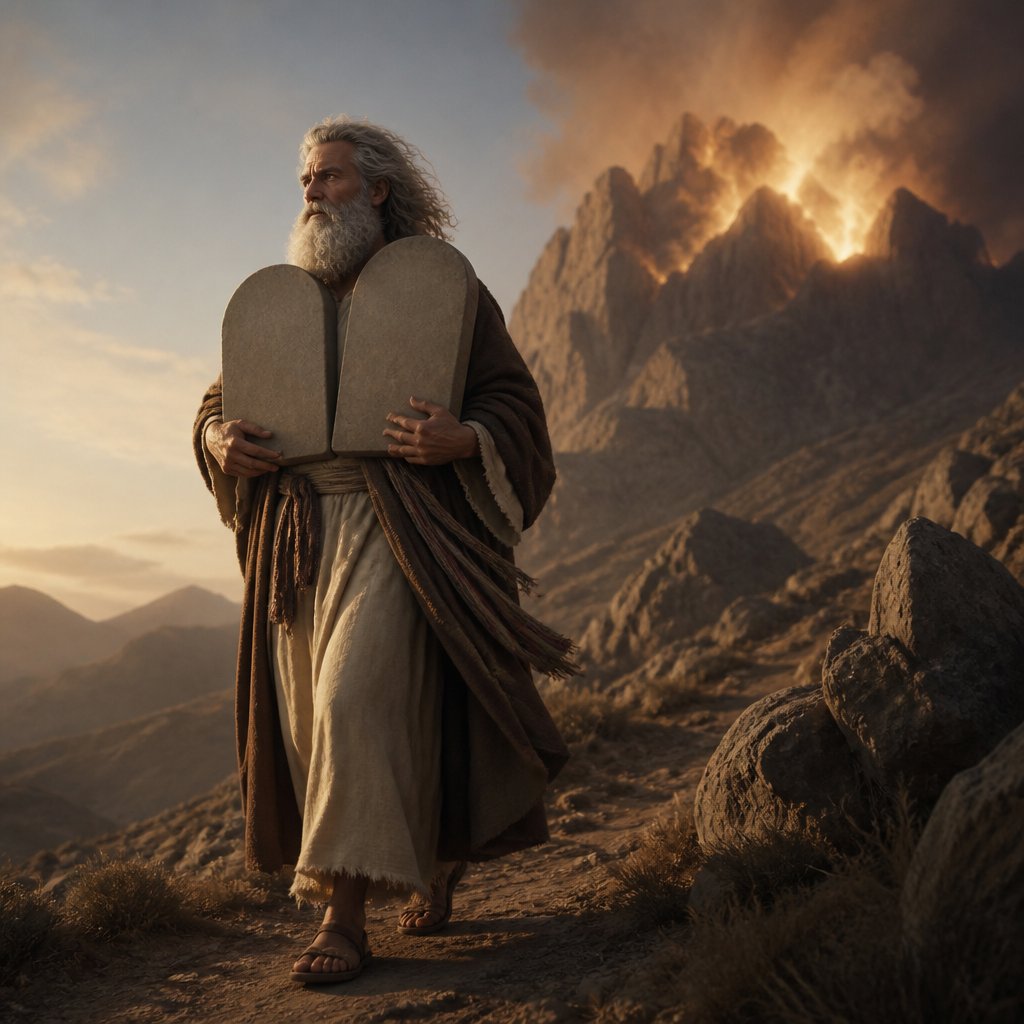
Deuteronomy 9:15 (KJV) states, "So I turned and came down from the mount, and the mount burned with fire: and the two tables of the covenant were in my two hands."
This verse comes from the book of Deuteronomy, which is the fifth book of the Old Testament. It is a book of law and is believed to have been written by Moses. The book of Deuteronomy consists of three sermons given by Moses to the Israelites just before they enter the Promised Land.
In this particular verse, Moses is reflecting on the moment when he descended from Mount Sinai, where he had been in communion with God for forty days and forty nights. As he descended, the mount was burning with fire, which symbolizes the presence of God. In his hands, Moses carried the two tables of the covenant, which were the stone tablets inscribed with the Ten Commandments.
This passage holds several important themes and teachings that are significant for both the Israelites and Christians:
1. The Presence of God: The burning mount symbolizes the presence of God. Fire is often used in the Bible as a symbol of God's presence and holiness. In this context, it signifies the sacred and powerful nature of the covenant between God and the Israelites.
2. The Ten Commandments: The two tables of the covenant represent the Ten Commandments, which are the moral and ethical guidelines given by God to His people. They serve as a foundation for a righteous and just society, emphasizing the importance of love, obedience, and devotion to God.
3. The Fallibility of Man: The fact that Moses broke the original stone tablets serves as a reminder of the fallibility and sinfulness of humanity. Despite being a great leader and prophet, Moses was not without flaws. This serves as a cautionary tale, urging humility and repentance before God.
4. The Covenant: The two tables of the covenant are emblematic of the covenant established between God and His people. This covenant represents a promise of mutual faithfulness and loyalty. It also highlights the eternal and unchanging nature of God's promises.
The contextual significance of this verse lies in the broader narrative of the Israelites' journey from slavery in Egypt to the Promised Land. This verse serves as a reminder of the pivotal moment when God delivered the law to His people through Moses. It highlights the special relationship between God and the Israelites and emphasizes the importance of obedience and reverence.
Furthermore, this verse holds symbolic and spiritual significance for Christians. The burning mount and the two tables of the covenant represent the divine presence and the moral law, which are central to the Christian faith. The Ten Commandments continue to serve as a guide for ethical living and spiritual growth for Christians.
In conclusion, Deuteronomy 9:15 holds deep spiritual and moral significance for both the Israelites and Christians. It reminds us of the sacred covenant between God and His people, the importance of obedience and reverence, and the eternal nature of God's promises. The imagery and symbolism in this verse continue to inspire and guide individuals in their journey of faith and devotion to God.
Get our apps


Artwork for Deuteronomy 9:15

Deuteronomy 9:15 - "So I turned and came down from the mount, and the mount burned with fire: and the two tables of the covenant were in my two hands."
"So I turned and came down from the mount, and the mount burned with fire: and the two tables of the covenant were in my two hands." - Deuteronomy 9:15
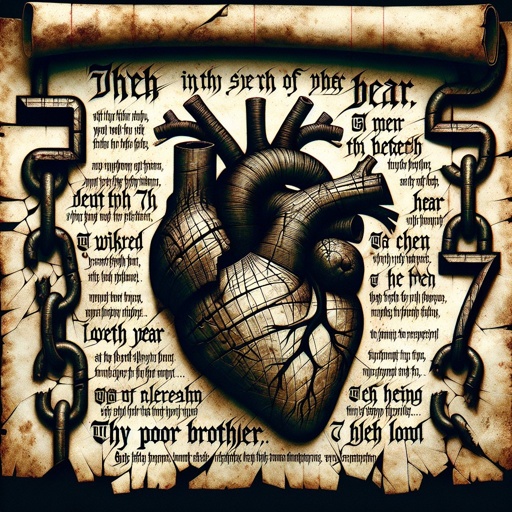
Deuteronomy 15:9 - "Beware that there be not a thought in thy wicked heart, saying, The seventh year, the year of release, is at hand; and thine eye be evil against thy poor brother, and thou givest him nought; and he cry unto the LORD against thee, and it be sin unto thee."

Deuteronomy 3:15 - "And I gave Gilead unto Machir."

Deuteronomy 14:15 - "And the owl, and the night hawk, and the cuckow, and the hawk after his kind,"

Deuteronomy 15:1 - "At the end of every seven years thou shalt make a release."

Deuteronomy 33:15 - "And for the chief things of the ancient mountains, and for the precious things of the lasting hills,"

Deuteronomy 15:15 - "And thou shalt remember that thou wast a bondman in the land of Egypt, and the LORD thy God redeemed thee: therefore I command thee this thing to day."

Deuteronomy 32:9 - "For the LORD'S portion is his people; Jacob is the lot of his inheritance."

Deuteronomy 3:9 - "(Which Hermon the Sidonians call Sirion; and the Amorites call it Shenir;)"

Deuteronomy 9:22 - "And at Taberah, and at Massah, and at Kibroth-hattaavah, ye provoked the LORD to wrath."

Deuteronomy 31:15 - "And the LORD appeared in the tabernacle in a pillar of a cloud: and the pillar of the cloud stood over the door of the tabernacle."

Deuteronomy 11:15 - "And I will send grass in thy fields for thy cattle, that thou mayest eat and be full."

Deuteronomy 30:15 - "¶ See, I have set before thee this day life and good, and death and evil;"

Deuteronomy 15:23 - "Only thou shalt not eat the blood thereof; thou shalt pour it upon the ground as water."

"And I gave Gilead unto Machir." - Deuteronomy 3:15

Deuteronomy 6:9 - "And thou shalt write them upon the posts of thy house, and on thy gates."
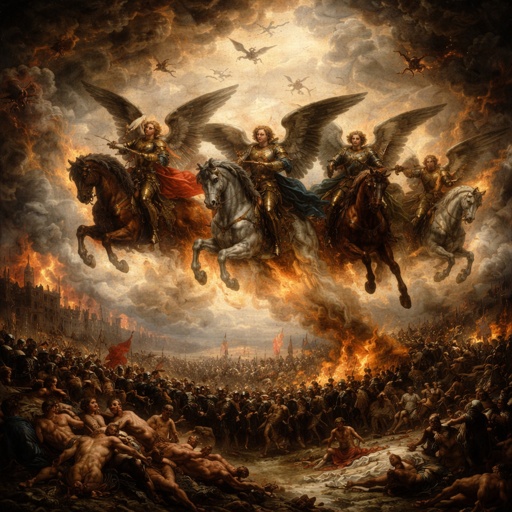
Rev 9:15

Genesis 15:9

Deuteronomy 9:24 - "Ye have been rebellious against the LORD from the day that I knew you."

Deuteronomy 12:9 - "For ye are not as yet come to the rest and to the inheritance, which the LORD your God giveth you."

Deuteronomy 15:3 - "Of a foreigner thou mayest exact it again: but that which is thine with thy brother thine hand shall release;"

Deuteronomy 2:15 - "For indeed the hand of the LORD was against them, to destroy them from among the host, until they were consumed."

Deuteronomy 23:15 - "¶ Thou shalt not deliver unto his master the servant which is escaped from his master unto thee:"

Deuteronomy 29:15 - "But with him that standeth here with us this day before the LORD our God, and also with him that is not here with us this day:"

Deuteronomy 15:22 - "Thou shalt eat it within thy gates: the unclean and the clean person shall eat it alike, as the roebuck, and as the hart."

Deuteronomy 14:9 - "¶ These ye shall eat of all that are in the waters: all that have fins and scales shall ye eat:"

Deuteronomy 29:9 - "Keep therefore the words of this covenant, and do them, that ye may prosper in all that ye do."

Judges 9:8-15

John 15:9-10