What does Deuteronomy 9:24 mean?
“Ye have been rebellious against the LORD from the day that I knew you.” — Deuteronomy 9:24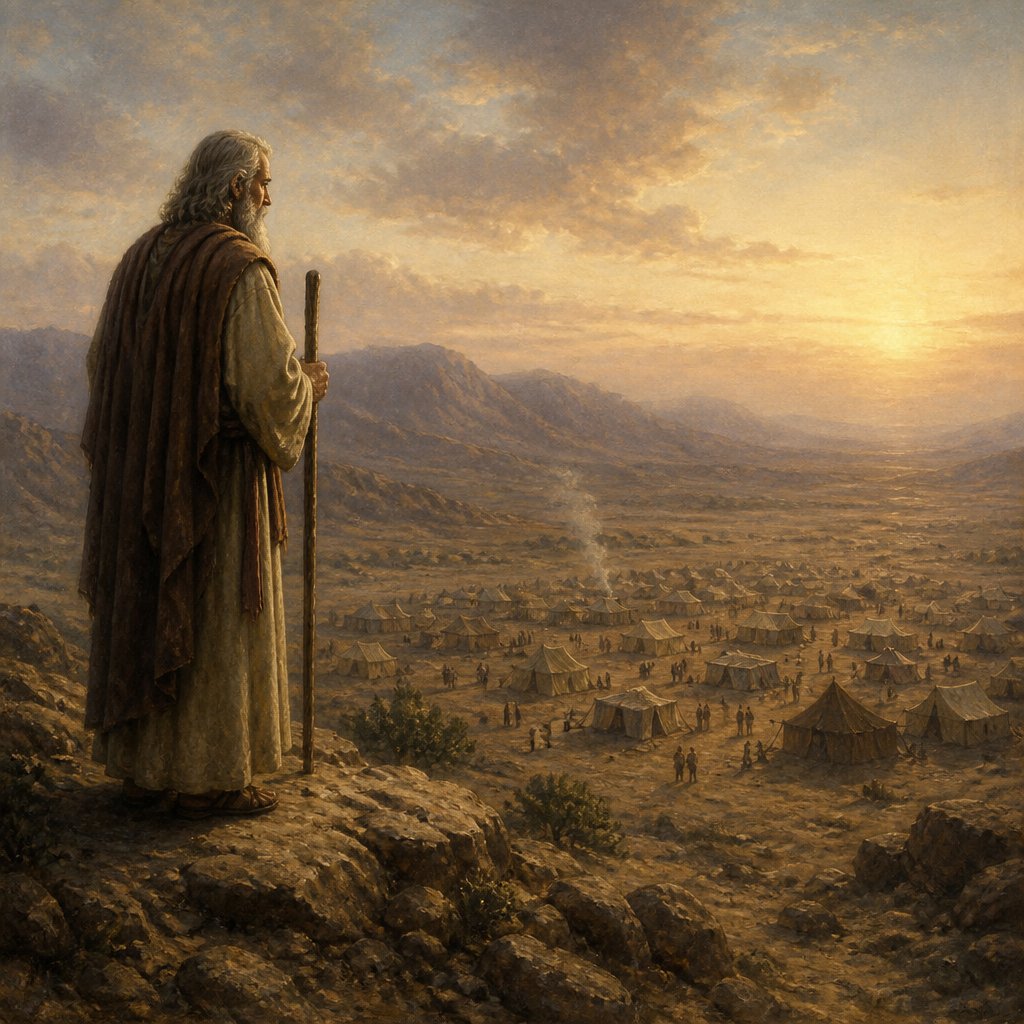
Deuteronomy 9:24 (KJV) reads: "Ye have been rebellious against the Lord from the day that I knew you."
This verse comes from the Book of Deuteronomy, which is the fifth book of the Old Testament and is attributed to Moses. In this passage, Moses is addressing the Israelites and recounting their history of rebelliousness and disobedience towards God. The Israelites had a long history of turning away from God and rebelling against His commandments, which ultimately led to their suffering and punishment.
The theme of rebellion and disobedience is a central theme in the Bible, and Deuteronomy 9:24 serves as a reminder of the consequences of such actions. Throughout the Old Testament, the Israelites are portrayed as a rebellious and stiff-necked people, constantly turning away from God and seeking their own desires. This disobedience is often met with divine punishment, such as exile, war, and suffering.
The context of this verse is important to understand its significance. In the preceding verses, Moses recounts the time when he received the stone tablets of the Ten Commandments from God, only to find that the Israelites had created and worshipped a golden calf in his absence. This act of idolatry was a clear demonstration of their rebelliousness and lack of faith in God. Despite being chosen by God and witnessing His miraculous deeds, the Israelites time and time again rebelled against Him, earning them the wrath and punishment of the Lord.
The symbolism of rebellion and disobedience in Deuteronomy 9:24 can be interpreted in various ways. On a literal level, it represents the historical disobedience of the Israelites and serves as a cautionary tale for future generations. The verse also serves as a broader symbol of humanity's tendency to rebel against God and His commandments. It reflects the ongoing struggle between the desires of the flesh and the will of God, and the consequences of choosing the former over the latter.
Furthermore, this verse can be seen as a critique of human nature and the innate tendency towards sin. It highlights the spiritual and moral struggles that individuals face in their relationship with God and the constant battle against the temptations of the world. The Israelites' rebellion serves as a warning to all believers, reminding them of the importance of faith, obedience, and loyalty to God.
In a contemporary context, Deuteronomy 9:24 can be applied to individuals and societies that demonstrate a pattern of rebelliousness and disobedience towards God. It serves as a call to repentance and a reminder of the need for humility, submission, and repentance in the face of divine authority. It also speaks to the consequences of spiritual rebellion, which can lead to moral decay, societal upheaval, and ultimately, separation from God.
In conclusion, Deuteronomy 9:24 is a powerful reminder of the consequences of rebellion and disobedience towards God. Its themes of faith, obedience, and divine punishment resonate throughout the Bible and serve as a timeless message for all believers. The verse serves as a cautionary tale and a call to repentance, urging individuals to turn away from rebellion and towards God's grace.
Get our apps


Artwork for Deuteronomy 9:24

Deuteronomy 9:24 - "Ye have been rebellious against the LORD from the day that I knew you."
"Ye have been rebellious against the LORD from the day that I knew you." - Deuteronomy 9:24

Deuteronomy 24:9 - "Remember what the LORD thy God did unto Miriam by the way, after that ye were come forth out of Egypt."
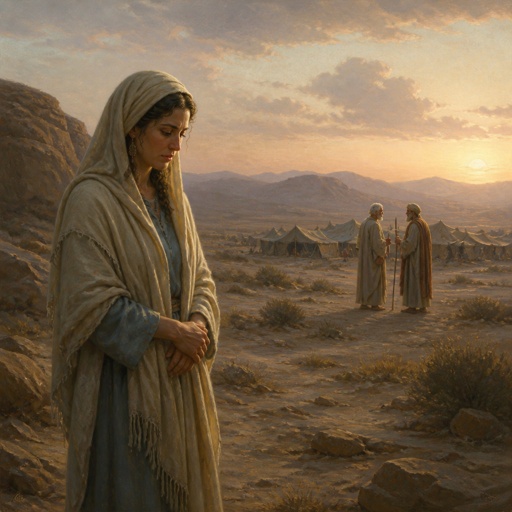
"Remember what the LORD thy God did unto Miriam by the way, after that ye were come forth out of Egypt." - Deuteronomy 24:9

Deuteronomy 24:12 - "And if the man be poor, thou shalt not sleep with his pledge:"

Deuteronomy 4:24 - "For the LORD thy God is a consuming fire, even a jealous God."

Deuteronomy 12:24 - "Thou shalt not eat it; thou shalt pour it upon the earth as water."

Deuteronomy 1:24 - "And they turned and went up into the mountain, and came unto the valley of Eshcol, and searched it out."

Deuteronomy 27:24 - "Cursed be he that smiteth his neighbour secretly. And all the people shall say, Amen."
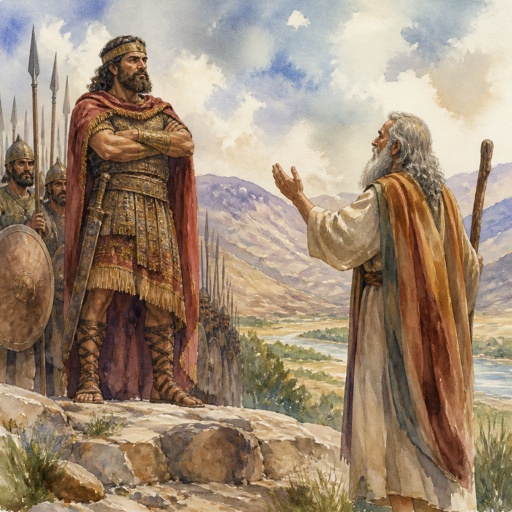
Sihon king of heshbon and Moses in Deuteronomy 2:24-37

Deuteronomy 24:17 - "¶ Thou shalt not pervert the judgment of the stranger, nor of the fatherless; nor take a widow's raiment to pledge:"

Deuteronomy 24:6 - "¶ No man shall take the nether or the upper millstone to pledge: for he taketh a man's life to pledge."

Deuteronomy 24:2 - "And when she is departed out of his house, she may go and be another man's wife."

Genesis 24-9

Deuteronomy 24:21 - "When thou gatherest the grapes of thy vineyard, thou shalt not glean it afterward: it shall be for the stranger, for the fatherless, and for the widow."

Deuteronomy 24:22 - "And thou shalt remember that thou wast a bondman in the land of Egypt: therefore I command thee to do this thing."

Deuteronomy 31:24 - "¶ And it came to pass, when Moses had made an end of writing the words of this law in a book, until they were finished,"

Genesis 9:24-25

Exodus 24:9-11

Jude 9:22-24

Deuteronomy 32:9 - "For the LORD'S portion is his people; Jacob is the lot of his inheritance."

Deuteronomy 3:9 - "(Which Hermon the Sidonians call Sirion; and the Amorites call it Shenir;)"

Deuteronomy 9:22 - "And at Taberah, and at Massah, and at Kibroth-hattaavah, ye provoked the LORD to wrath."

Deuteronomy 24:10 - "¶ When thou dost lend thy brother any thing, thou shalt not go into his house to fetch his pledge."

Deuteronomy 24:20 - "When thou beatest thine olive tree, thou shalt not go over the boughs again: it shall be for the stranger, for the fatherless, and for the widow."

Deuteronomy 24:11 - "Thou shalt stand abroad, and the man to whom thou dost lend shall bring out the pledge abroad unto thee."

"And if the man be poor, thou shalt not sleep with his pledge:" - Deuteronomy 24:12

1 Chronicles 24:9 - "The fifth to Malchijah, the sixth to Mijamin,"

Deuteronomy 6:9 - "And thou shalt write them upon the posts of thy house, and on thy gates."

Deuteronomy 29:24 - "Even all nations shall say, Wherefore hath the LORD done thus unto this land? what meaneth the heat of this great anger?"