What does Deuteronomy 9:8 mean?
“Also in Horeb ye provoked the LORD to wrath, so that the LORD was angry with you to have destroyed you.” — Deuteronomy 9:8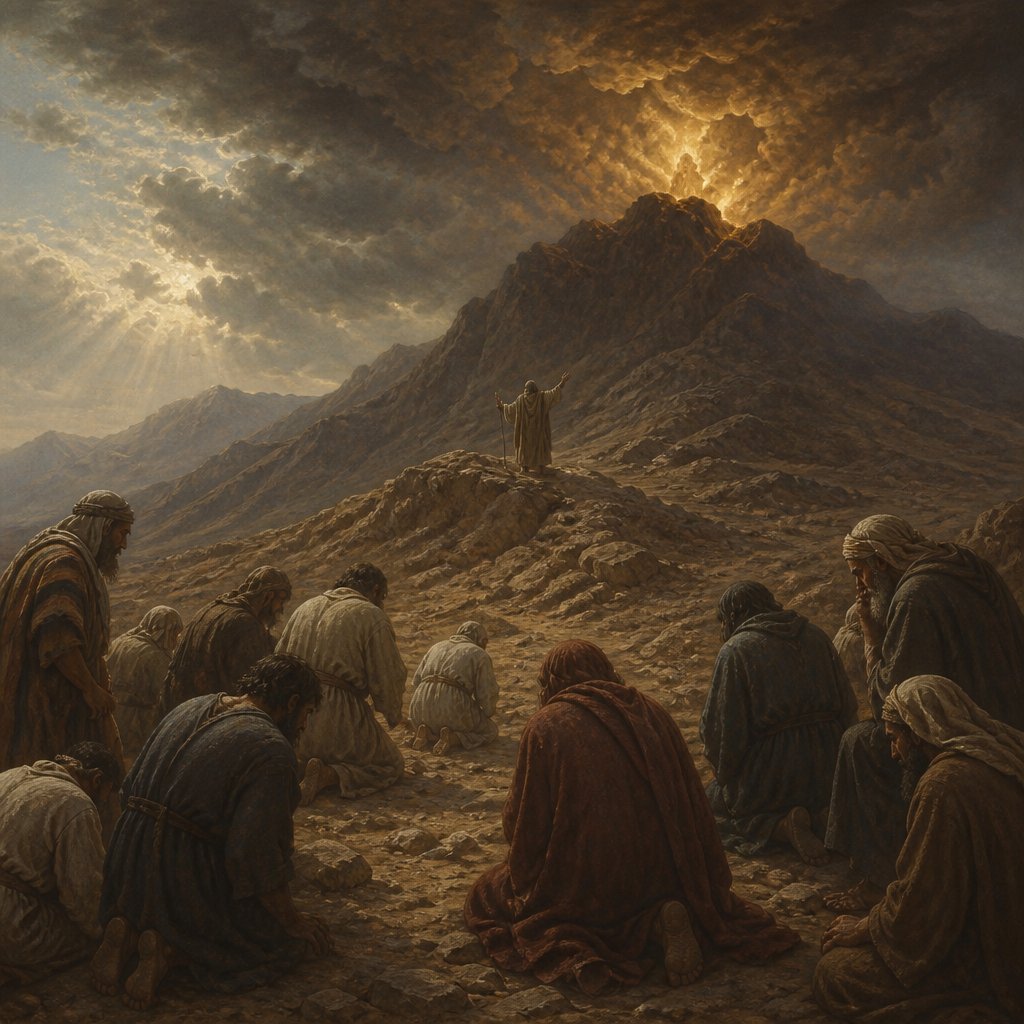
Deuteronomy 9:8 (KJV) says, "Also in Horeb ye provoked the Lord to wrath, so that the Lord was angry with you to have destroyed you." This verse is part of a larger passage in the book of Deuteronomy, where Moses is addressing the Israelites and recounting their rebellious behavior and the consequences of their actions.
The context of this verse is important in understanding its meaning and significance. The Israelites had been delivered from slavery in Egypt by the mighty hand of God, and they were on their way to the promised land. However, along the way, they repeatedly disobeyed God, worshiped idols, and doubted His faithfulness. In this particular instance, Moses is recalling the time when the Israelites provoked the Lord to anger while they were camped at Horeb, also known as Mount Sinai.
The theme of this verse and the larger passage is the disobedience and faithlessness of the Israelites, and the consequences of their actions. Throughout the book of Deuteronomy, Moses reminds the people of their past transgressions and warns them of the importance of obeying God's commands and staying faithful to Him.
The symbolism in this verse is also significant. Horeb, or Mount Sinai, was the place where God had given the Israelites the Ten Commandments and made a covenant with them. It was a sacred and holy place, yet the Israelites still rebelled and angered the Lord. This serves as a symbol of the human tendency to sin and rebel against God, even in the midst of His presence and blessings.
The phrase "provoked the Lord to wrath" emphasizes the severity of the Israelites' actions and the depth of God's anger towards them. It conveys the idea that their disobedience was not just a minor offense, but a grievous provocation of God's righteous anger.
The verse also speaks to the mercy and patience of God. Despite the Israelites' repeated disobedience and faithlessness, God did not immediately destroy them. Instead, He showed them mercy and longsuffering, giving them numerous chances to repent and turn back to Him.
In a broader theological context, this verse serves as a reminder of the nature of God and His relationship with His people. It highlights the holiness and righteousness of God, as well as His expectations for obedience and faithfulness. It also demonstrates the consequences of sin and the importance of repentance and seeking forgiveness.
Overall, Deuteronomy 9:8 carries a powerful message about the human tendency to sin and rebel against God, the severity of God's reaction to disobedience, and His mercy and patience towards His people. It serves as a warning to the Israelites and all believers to remain faithful to God and to recognize the consequences of disobedience. It also points to the redemptive nature of God, who is always ready to forgive and restore those who turn back to Him in repentance.
Get our apps


Artwork for Deuteronomy 9:8

Deuteronomy 9:8 - "Also in Horeb ye provoked the LORD to wrath, so that the LORD was angry with you to have destroyed you."
"Also in Horeb ye provoked the LORD to wrath, so that the LORD was angry with you to have destroyed you." - Deuteronomy 9:8

Deuteronomy 8:9 - "A land wherein thou shalt eat bread without scarceness, thou shalt not lack any thing in it; a land whose stones are iron, and out of whose hills thou mayest dig brass."

deuteronomy 31 8

Deuteronomy 31:8

Deuteronomy 8:8 - "A land of wheat, and barley, and vines, and fig trees, and pomegranates; a land of oil olive, and honey;"

Deuteronomy 32:9 - "For the LORD'S portion is his people; Jacob is the lot of his inheritance."

Deuteronomy 3:9 - "(Which Hermon the Sidonians call Sirion; and the Amorites call it Shenir;)"

Deuteronomy 9:22 - "And at Taberah, and at Massah, and at Kibroth-hattaavah, ye provoked the LORD to wrath."

Deuteronomy 23:8 - "The children that are begotten of them shall enter into the congregation of the LORD in their third generation."

Deuteronomy 6:9 - "And thou shalt write them upon the posts of thy house, and on thy gates."

Deuteronomy 27:8 - "And thou shalt write upon the stones all the words of this law very plainly."

Deuteronomy 9:24 - "Ye have been rebellious against the LORD from the day that I knew you."

Deuteronomy 12:9 - "For ye are not as yet come to the rest and to the inheritance, which the LORD your God giveth you."

Deuteronomy 18:8 - "They shall have like portions to eat, beside that which cometh of the sale of his patrimony."

Deuteronomy 29:8 - "And we took their land, and gave it for an inheritance unto the Reubenites, and to the Gadites, and to the half tribe of Manasseh."

Deuteronomy 14:9 - "¶ These ye shall eat of all that are in the waters: all that have fins and scales shall ye eat:"

Deuteronomy 29:9 - "Keep therefore the words of this covenant, and do them, that ye may prosper in all that ye do."

Deuteronomy 9:20 - "And the LORD was very angry with Aaron to have destroyed him: and I prayed for Aaron also the same time."

Deuteronomy 1:9 - "¶ And I spake unto you at that time, saying, I am not able to bear you myself alone:"

Deuteronomy 23:9 - "¶ When the host goeth forth against thine enemies, then keep thee from every wicked thing."
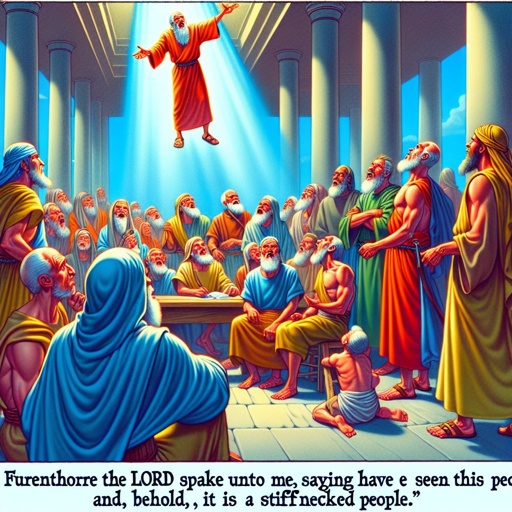
Deuteronomy 9:13 - "Furthermore the LORD spake unto me, saying, I have seen this people, and, behold, it is a stiffnecked people:"

Zachariah 9:8

Neh 8:9

Deuteronomy 8:12 - "Lest when thou hast eaten and art full, and hast built goodly houses, and dwelt therein;"

Deuteronomy 8:6 - "Therefore thou shalt keep the commandments of the LORD thy God, to walk in his ways, and to fear him."

Deuteronomy 8:4 - "Thy raiment waxed not old upon thee, neither did thy foot swell, these forty years."

Deuteronomy 8:17 - "And thou say in thine heart, My power and the might of mine hand hath gotten me this wealth."

Deuteronomy 6:8 - "And thou shalt bind them for a sign upon thine hand, and they shall be as frontlets between thine eyes."
Ps37:8-9