What does Ecclesiastes 10:18 mean?
“By much slothfulness the building decayeth; and through idleness of the hands the house droppeth through.” — Ecclesiastes 10:18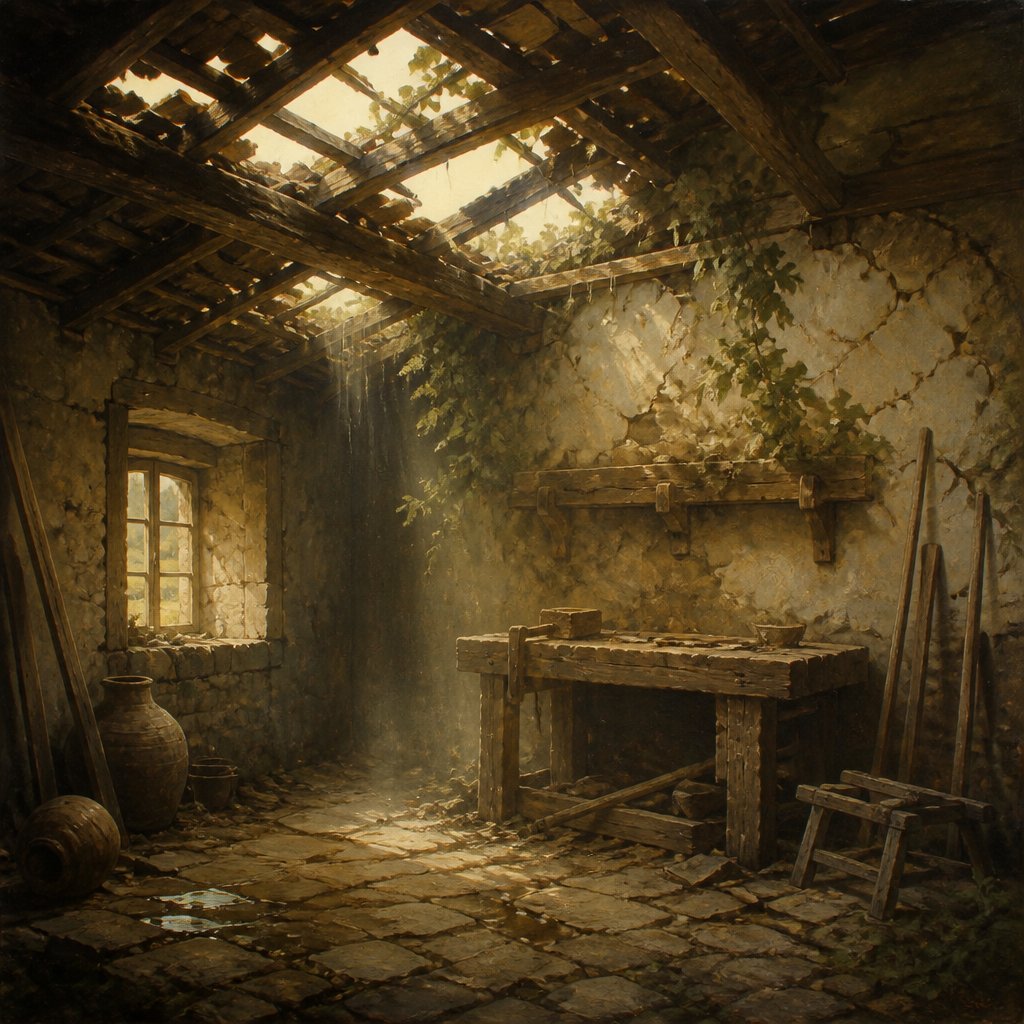
The verse Ecclesiastes 10:18 in the King James Version (KJV) of the Bible reads, "By much slothfulness the building decayeth; and through idleness of the hands the house droppeth through." This verse comes from the book of Ecclesiastes, which is a philosophical and reflective book that is traditionally attributed to King Solomon. The book explores the meaning and purpose of life, the pursuit of wisdom, and the nature of human existence.
In Ecclesiastes 10:18, the author highlights the consequences of laziness and idleness. The verse uses the metaphor of a building or a house to illustrate the impact of slothfulness and idleness. The building is said to decay and the house droppeth through as a result of neglect and inactivity. This imagery underscores the importance of diligence and hard work in maintaining and preserving one's livelihood.
The theme of work ethic and diligence is a recurring motif in the book of Ecclesiastes. The author emphasizes the value of labor and industry, warning against the perils of laziness and indolence. This theme resonates with biblical teachings on the virtues of hard work, responsibility, and the stewardship of one's resources. It also reflects an understanding of the natural order, where effort and purposeful action are necessary for sustenance and prosperity.
The context of Ecclesiastes 10:18 is set within the broader framework of the book's exploration of the human experience. The author grapples with the challenges and uncertainties of life, acknowledging the inevitability of suffering and toil. In this context, the verse serves as a cautionary reminder of the consequences of neglect and complacency. It underscores the reality that neglecting one's duties and responsibilities can lead to the deterioration and eventual collapse of what has been built.
Furthermore, the verse can be seen as a reflection of the broader biblical principle of stewardship. In the Christian tradition, stewardship encompasses the responsible management and care of the resources and gifts that have been entrusted to individuals by God. This includes not only material possessions, but also time, talents, and opportunities. Ecclesiastes 10:18 highlights the importance of actively tending to one's responsibilities and ensuring the preservation and well-being of what has been entrusted to them.
Symbolically, the building and the house in Ecclesiastes 10:18 can be interpreted as representations of various aspects of life. They may symbolize one's personal well-being, relationships, and accomplishments. Just as a neglected building decays and a house droppeth through, so too can the neglect of our responsibilities and obligations lead to the deterioration of our lives and the things we have built.
In summary, Ecclesiastes 10:18 serves as a poignant reminder of the importance of diligence and industriousness in life. It underscores the consequences of slothfulness and idleness, and the necessity of actively tending to our duties and responsibilities. The verse resonates with timeless wisdom about the value of hard work, stewardship, and the preservation of what has been entrusted to us. Its message is a call to action, urging us to take heed and be mindful of the impact of our actions and inactions on the well-being of our lives and the things we hold dear.
Get our apps


Artwork for Ecclesiastes 10:18

Ecclesiastes 10:18 - "¶ By much slothfulness the building decayeth; and through idleness of the hands the house droppeth through."

"¶ By much slothfulness the building decayeth; and through idleness of the hands the house droppeth through." - Ecclesiastes 10:18

Ecclesiastes 1:18 - "For in much wisdom is much grief: and he that increaseth knowledge increaseth sorrow."

Ecclesiastes 10:10 - "If the iron be blunt, and he do not whet the edge, then must he put to more strength: but wisdom is profitable to direct."

Ecclesiastes 9:18 - "Wisdom is better than weapons of war: but one sinner destroyeth much good."

Ecclesiastes 10:6 - "Folly is set in great dignity, and the rich sit in low place."

Ecclesiastes 10:11 - "Surely the serpent will bite without enchantment; and a babbler is no better."

Ecclesiastes 10:19 - "¶ A feast is made for laughter, and wine maketh merry: but money answereth all things."

Ecclesiastes 10:13 - "The beginning of the words of his mouth is foolishness: and the end of his talk is mischievous madness."

Ecclesiastes 10:2 - "A wise man's heart is at his right hand; but a fool's heart at his left."

Ecclesiastes 10:12 - "The words of a wise man's mouth are gracious; but the lips of a fool will swallow up himself."

Ecclesiastes 10:5 - "There is an evil which I have seen under the sun, as an error which proceedeth from the ruler:"

Ecclesiastes 12:10 - "The preacher sought to find out acceptable words: and that which was written was upright, even words of truth."

Ecclesiastes 10:15 - "The labour of the foolish wearieth every one of them, because he knoweth not how to go to the city."

Ecclesiastes 10:7 - "I have seen servants upon horses, and princes walking as servants upon the earth."

Ecclesiastes 3:10 - "I have seen the travail, which God hath given to the sons of men to be exercised in it."

Ecclesiastes 3:18 - "I said in mine heart concerning the estate of the sons of men, that God might manifest them, and that they might see that they themselves are beasts."

Ecclesiastes 5:10 - "He that loveth silver shall not be satisfied with silver; nor he that loveth abundance with increase: this is also vanity."

Ecclesiastes 10:16 - "¶ Woe to thee, O land, when thy king is a child, and thy princes eat in the morning!"

Ecclesiastes 10:9 - "Whoso removeth stones shall be hurt therewith; and he that cleaveth wood shall be endangered thereby."

Ecclesiastes 10:8 - "He that diggeth a pit shall fall into it; and whoso breaketh an hedge, a serpent shall bite him."

Ecclesiastes 10:4 - "If the spirit of the ruler rise up against thee, leave not thy place; for yielding pacifieth great offences."

Ecclesiastes 1:10 - "Is there any thing whereof it may be said, See, this is new? it hath been already of old time, which was before us."

Ecclesiastes 7:10 - "Say not thou, What is the cause that the former days were better than these? for thou dost not enquire wisely concerning this."

Ecclesiastes 7:18 - "It is good that thou shouldest take hold of this; yea, also from this withdraw not thine hand: for he that feareth God shall come forth of them all."

"Surely the serpent will bite without enchantment; and a babbler is no better." - Ecclesiastes 10:11

Ecclesiastes 11:10 - "Therefore remove sorrow from thy heart, and put away evil from thy flesh: for childhood and youth are vanity."

Ecclesiastes 6:10 - "That which hath been is named already, and it is known that it is man: neither may he contend with him that is mightier than he."

Ecclesiastes 10:17 - "Blessed art thou, O land, when thy king is the son of nobles, and thy princes eat in due season, for strength, and not for drunkenness!"

"For in much wisdom is much grief: and he that increaseth knowledge increaseth sorrow." - Ecclesiastes 1:18