What does Ecclesiastes 12:8 mean?
“Vanity of vanities, saith the preacher; all is vanity.” — Ecclesiastes 12:8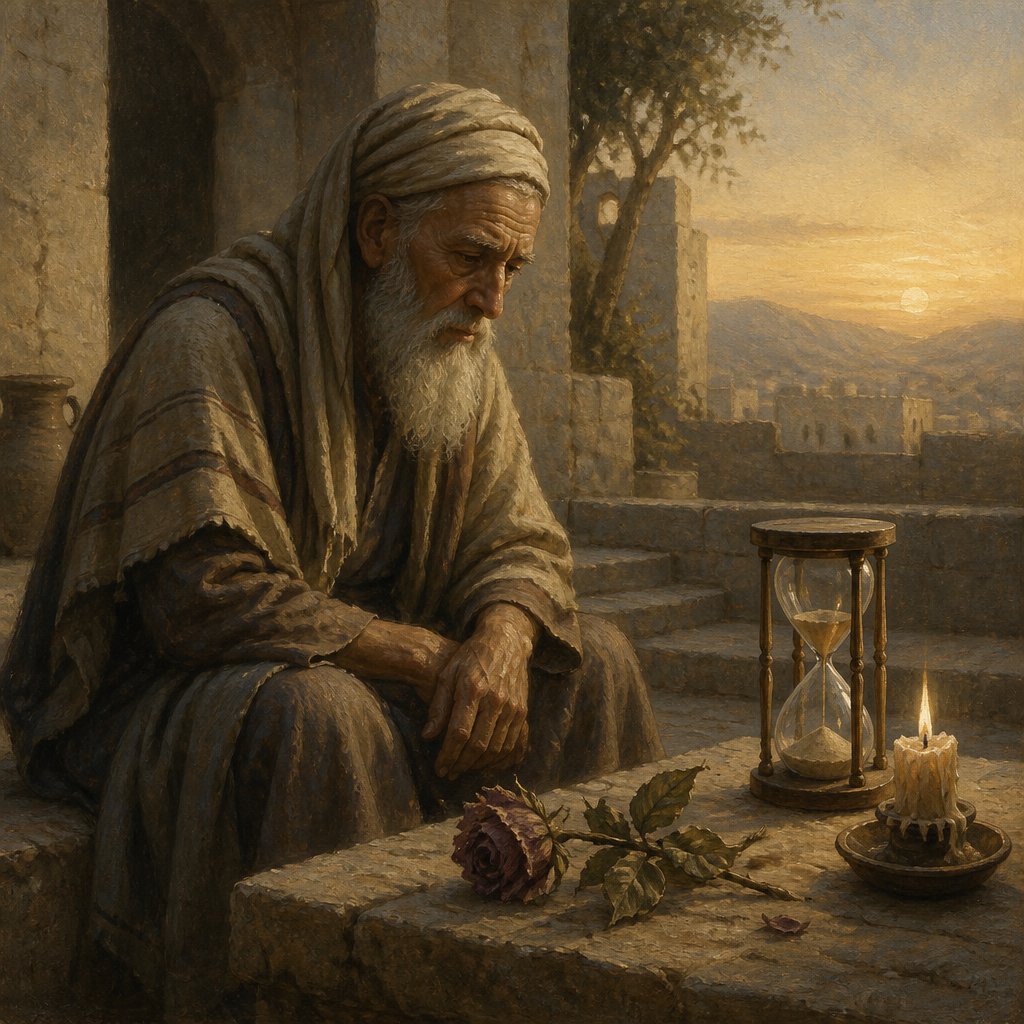
Ecclesiastes 12:8 in the King James Version of the Bible reads, "Vanity of vanities, saith the preacher; all is vanity." This verse is the conclusion of the book of Ecclesiastes, which is traditionally attributed to King Solomon. The verse reflects the overarching theme of the book, which is the pursuit of meaning and fulfillment in life.
The phrase "vanity of vanities" speaks to the fleeting and ultimately insubstantial nature of human endeavors. The word "vanity" in this context means emptiness, futility, or meaninglessness. The preacher, likely King Solomon, is emphasizing the transitory nature of life and the world around us. This sentiment is encapsulated in the idea that "all is vanity," meaning that all human efforts and accomplishments ultimately lead to nothing of lasting value.
The book of Ecclesiastes is a meditation on the meaning of life and the human experience. It grapples with the existential questions of purpose, suffering, and the passage of time. Throughout the book, the preacher reflects on the futility of striving after pleasure, wealth, and wisdom, as all of these pursuits ultimately end in disappointment and disillusionment. The verse in question, Ecclesiastes 12:8, serves as the culmination of this reflection, driving home the message that all human endeavors are ultimately in vain.
The context of Ecclesiastes 12:8 is important for understanding its significance. The preceding verses in the chapter describe the aging process and the inevitable decline of the human body and mind. The preacher uses vivid imagery to depict the frailty and impermanence of life, likening old age to a time of diminished strength, sight, and mental acuity. This somber portrayal of aging sets the stage for the preacher's final proclamation that "all is vanity."
The verse can be interpreted as a commentary on the human condition, highlighting the transient nature of our existence. It challenges the reader to consider the significance of their pursuits and accomplishments in light of the ultimate emptiness of all things. The message is one of humility and perspective, urging the reader to look beyond the fleeting pleasures and concerns of this world and seek a deeper understanding of their place in the grand scheme of things.
In addition to its philosophical significance, Ecclesiastes 12:8 carries symbolic weight. The phrase "vanity of vanities" is a powerful rhetorical device that emphasizes the preacher's message. By repeating the word "vanity" twice, the preacher drives home the point that all things in life are ultimately empty and insubstantial. The repetition also serves to underscore the universality of this truth, suggesting that it applies to all aspects of human existence.
Ultimately, Ecclesiastes 12:8 offers a sobering perspective on the human experience. It confronts the reader with the reality of life's impermanence and calls into question the value of worldly pursuits. The verse serves as a poignant reminder that the things we often strive after and hold dear are ultimately fleeting and inconsequential in the grand scheme of things. It challenges us to reevaluate our priorities and seek a deeper, more meaningful understanding of our place in the world.
Get our apps


Artwork for Ecclesiastes 12:8

Ecclesiastes 12:8 - "¶ Vanity of vanities, saith the preacher; all is vanity."

"¶ Vanity of vanities, saith the preacher; all is vanity." - Ecclesiastes 12:8

ecclesiastes 12:1-8

ecclesiastes 12:1-8

ecclesiastes 12:1-8

ecclesiastes 12:1-8

ecclesiastes 12:1-8

Ecclesiastes 8:12 - "¶ Though a sinner do evil an hundred times, and his days be prolonged, yet surely I know that it shall be well with them that fear God, which fear before him:"

ecclesiastes 12:1

ecclesiastes 12:1

ecclesiastes 12:1

ecclesiastes 12:2-6

Ecclesiastes 3:7-8

Ecclesiastes 1:12 - "¶ I the Preacher was king over Israel in Jerusalem."

Ecclesiastes 12:12 - "And further, by these, my son, be admonished: of making many books there is no end; and much study is a weariness of the flesh."
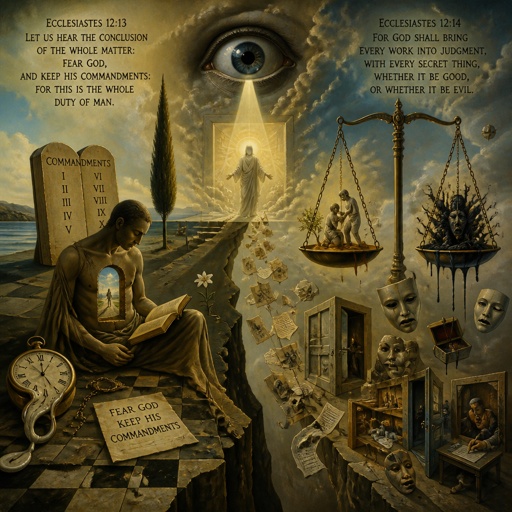
Ecclesiastes 12:13 Let us hear the conclusion of the whole matter: Fear God, and keep his commandments: for this is the whole duty of man. Ecclesiastes 12:14 For God shall bring every work into judgment, with every secret thing, whether it be good, or whether it be evil.
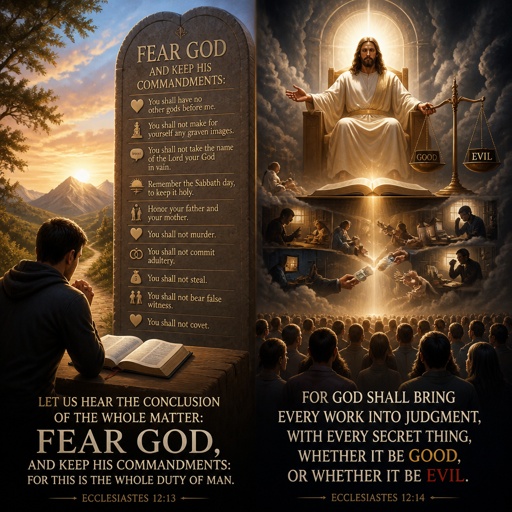
Ecclesiastes 12:13 Let us hear the conclusion of the whole matter: Fear God, and keep his commandments: for this is the whole duty of man. Ecclesiastes 12:14 For God shall bring every work into judgment, with every secret thing, whether it be good, or whether it be evil.

Ecclesiastes 3:8 - "A time to love, and a time to hate; a time of war, and a time of peace."

Ecclesiastes 8:2 - "I counsel thee to keep the king's commandment, and that in regard of the oath of God."

Ecclesiastes 8:7 - "For he knoweth not that which shall be: for who can tell him when it shall be?"

Ecclesiastes 12:7 - "Then shall the dust return to the earth as it was: and the spirit shall return unto God who gave it."

Ecclesiastes 10:12 - "The words of a wise man's mouth are gracious; but the lips of a fool will swallow up himself."

Ecclesiastes 3:12 - "I know that there is no good in them, but for a man to rejoice, and to do good in his life."

Ecclesiastes 8:6 - "¶ Because to every purpose there is time and judgment, therefore the misery of man is great upon him."

Ecclesiastes 12:10 - "The preacher sought to find out acceptable words: and that which was written was upright, even words of truth."

Ecclesiastes 12:11 - "The words of the wise are as goads, and as nails fastened by the masters of assemblies, which are given from one shepherd."

Ecclesiastes 4:12 - "And if one prevail against him, two shall withstand him; and a threefold cord is not quickly broken."

Ecclesiastes 9:8 - "Let thy garments be always white; and let thy head lack no ointment."

Ecclesiastes 7:12 - "For wisdom is a defence, and money is a defence: but the excellency of knowledge is, that wisdom giveth life to them that have it."

"While the sun, or the light, or the moon, or the stars, be not darkened, nor the clouds return after the rain:" - Ecclesiastes 12:2