What does Ecclesiastes 2:10 mean?
"And whatsoever mine eyes desired I kept not from them, I withheld not my heart from any joy; for my heart rejoiced in all my labour: and this was my portion of all my labour." - Ecclesiastes 2:10
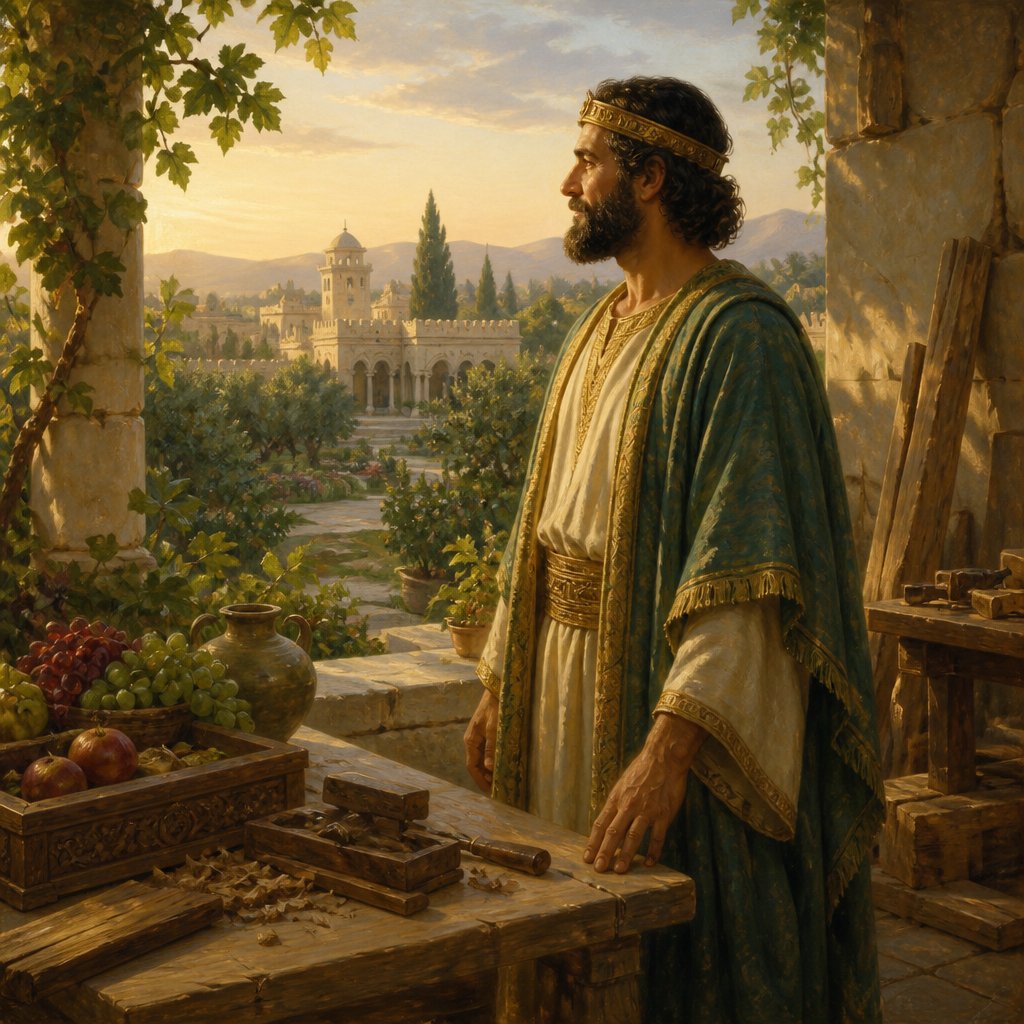
Ecclesiastes 2:10 from the King James Version of the Bible states, "And whatsoever mine eyes desired I kept not from them, I withheld not my heart from any joy; for my heart rejoiced in all my labour: and this was my portion of all my labour." The Book of Ecclesiastes, traditionally attributed to King Solomon, is a reflection on the meaning of life and the pursuit of wisdom and fulfillment. This particular verse touches on the theme of pleasure, labor, and the human desire for joy.
In this verse, the speaker, likely King Solomon himself, confesses to indulging in every pleasure his eyes desired and withholding his heart from no joy. He speaks of rejoicing in all his labor and considers it his portion, or reward, for his efforts. There is an underlying theme of hedonism, or the pursuit of pleasure and self-indulgence, in this verse. The speaker describes a life filled with pleasure and joy, seemingly without restraint or limitation.
The context of this verse is important in understanding its meaning. King Solomon, known for his wisdom and wealth, is believed to be the author of Ecclesiastes. In this book, he reflects on the futility of human pursuits and the fleeting nature of worldly pleasures. This verse comes in the midst of his musings on his own pursuit of happiness and fulfillment. Solomon had the resources to pursue any pleasure he desired, and he did not deny himself anything. However, even with all his wealth and indulgence, he found that there was still a sense of emptiness and dissatisfaction.
The symbolism in this verse lies in the contrast between the pursuit of pleasure and the reality of human existence. Solomon's pursuit of joy and pleasure represents the human desire for fulfillment and happiness. The fact that he did not withhold his heart from any joy symbolizes the all-encompassing nature of his pursuit. However, the emptiness he feels despite all his indulgence symbolizes the ultimate futility of seeking fulfillment in worldly pleasures alone. The labor he speaks of represents the efforts and achievements that he took pride in. While these may have brought temporary satisfaction, they ultimately proved to be meaningless in the grand scheme of things.
The verse also raises the question of the role of labor and reward in human life. Solomon rejoices in all his labor, viewing it as his portion or reward for his efforts. This reflects the human desire for meaningful work and the satisfaction that comes from productivity and success. However, Solomon's disillusionment with the results of his labor suggests that there is a deeper, spiritual need that cannot be fulfilled by earthly achievements alone.
Ultimately, this verse serves as a cautionary tale about the pursuit of pleasure and the emptiness of worldly pursuits. It speaks to the human experience of seeking fulfillment through material pleasures and achievements, only to find that they do not satisfy the longing of the soul. The message of Ecclesiastes as a whole, and particularly in this verse, is that true fulfillment can only be found in a relationship with the divine and in seeking wisdom and understanding beyond the fleeting pleasures of this world.
In conclusion, Ecclesiastes 2:10 from the King James Version of the Bible offers a poignant reflection on the pursuit of pleasure, labor, and the search for fulfillment. Through the experiences of King Solomon, the verse conveys the emptiness of worldly pleasures and the insufficiency of human achievements to bring lasting satisfaction. It serves as a timeless reminder to seek wisdom and meaning beyond the transient pleasures of this world, pointing to a deeper spiritual truth that transcends earthly pursuits.
Have questions about Ecclesiastes 2:10?
Dive deeper into this scripture with Bible Chat — an AI-powered tool for exploring God's Word through conversation. Ask questions, get context, and grow in your understanding of the Bible.
Get Our Apps


Ecclesiastes 2:10 Artwork
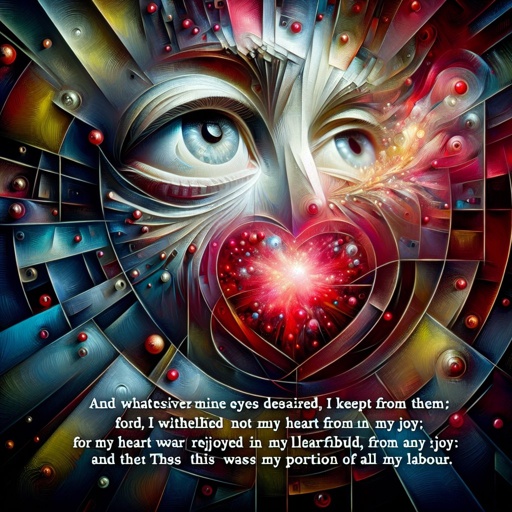
Ecclesiastes 2:10 - "And whatsoever mine eyes desired I kept not from them, I withheld not my heart from any joy; for my heart rejoiced in all my labour: and this was my portion of all my labour."
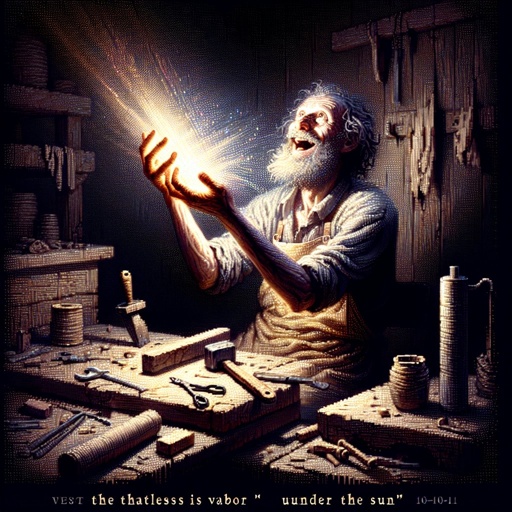
Ecclesiastes 2:10-11 - "And whatsoever mine eyes desired I kept not from them, I withheld not my heart from any joy; for my heart rejoiced in all my labor: and this was my portion of all my labor. Then I looked on all the works that my hands had wrought, and on the labor that I had labored to do: and, behold, all was vanity and vexation of spirit, and there was no profit under the sun."
"And whatsoever mine eyes desired I kept not from them, I withheld not my heart from any joy; for my heart rejoiced in all my labour: and this was my portion of all my labour." - Ecclesiastes 2:10
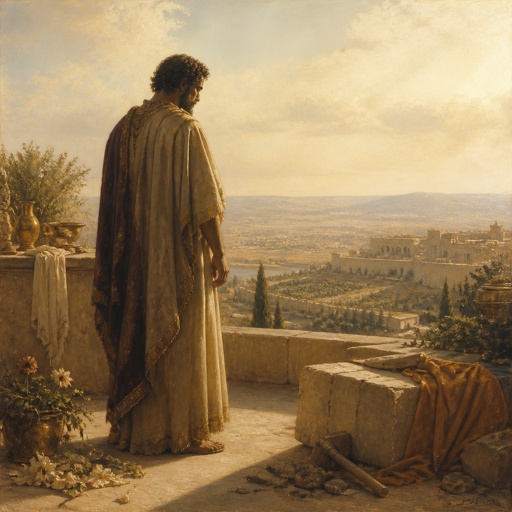
"And whatsoever mine eyes desired I kept not from them, I withheld not my heart from any joy; for my heart rejoiced in all my labor: and this was my portion of all my labor. Then I looked on all the works that my hands had wrought, and on the labor that I had labored to do: and, behold, all was vanity and vexation of spirit, and there was no profit under the sun." - Ecclesiastes 2:10-11
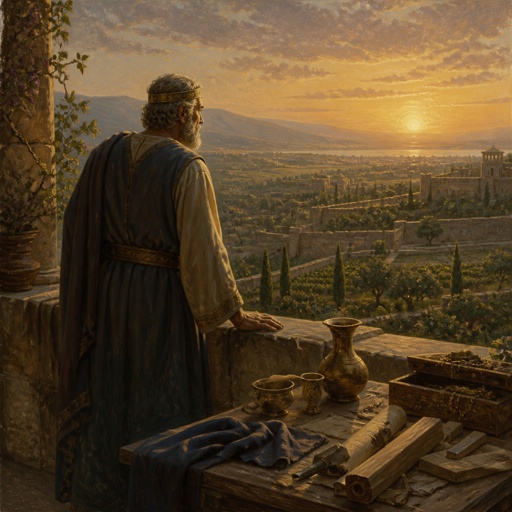
"And whatsoever mine eyes desired I kept not from them, I withheld not my heart from any joy; for my heart rejoiced in all my labor: and this was my portion of all my labor. Then I looked on all the works that my hands had wrought, and on the labor that I had labored to do: and, behold, all was vanity and vexation of spirit, and there was no profit under the sun." - Ecclesiastes 2:10-11
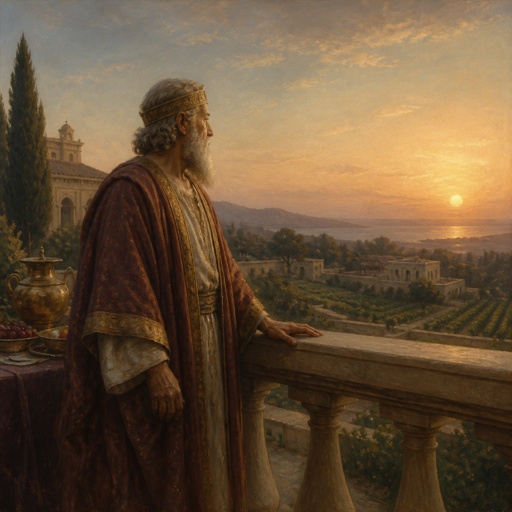
"And whatsoever mine eyes desired I kept not from them, I withheld not my heart from any joy; for my heart rejoiced in all my labor: and this was my portion of all my labor. Then I looked on all the works that my hands had wrought, and on the labor that I had labored to do: and, behold, all was vanity and vexation of spirit, and there was no profit under the sun." - Ecclesiastes 2:10-11

Ecclesiastes 10:2 - "A wise man's heart is at his right hand; but a fool's heart at his left."
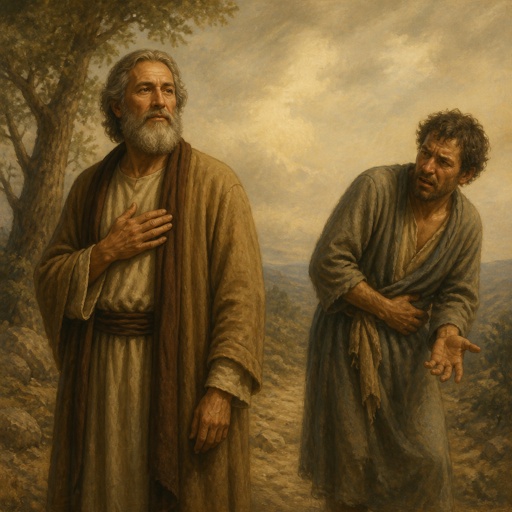
"A wise man's heart is at his right hand; but a fool's heart at his left." - Ecclesiastes 10:2

Ecclesiastes 10:10 - "If the iron be blunt, and he do not whet the edge, then must he put to more strength: but wisdom is profitable to direct."

Ecclesiastes 10:6 - "Folly is set in great dignity, and the rich sit in low place."

Ecclesiastes 10:11 - "Surely the serpent will bite without enchantment; and a babbler is no better."

Ecclesiastes 10:18 - "¶ By much slothfulness the building decayeth; and through idleness of the hands the house droppeth through."

Ecclesiastes 10:19 - "¶ A feast is made for laughter, and wine maketh merry: but money answereth all things."

Ecclesiastes 10:13 - "The beginning of the words of his mouth is foolishness: and the end of his talk is mischievous madness."

Ecclesiastes 10:12 - "The words of a wise man's mouth are gracious; but the lips of a fool will swallow up himself."

Ecclesiastes 2:2 - "I said of laughter, It is mad: and of mirth, What doeth it?"

Ecclesiastes 10:5 - "There is an evil which I have seen under the sun, as an error which proceedeth from the ruler:"

Ecclesiastes 12:10 - "The preacher sought to find out acceptable words: and that which was written was upright, even words of truth."

Ecclesiastes 10:15 - "The labour of the foolish wearieth every one of them, because he knoweth not how to go to the city."

Ecclesiastes 10:7 - "I have seen servants upon horses, and princes walking as servants upon the earth."

Ecclesiastes 3:10 - "I have seen the travail, which God hath given to the sons of men to be exercised in it."

ecclesiastes 12:2-6

Ecclesiastes 5:10 - "He that loveth silver shall not be satisfied with silver; nor he that loveth abundance with increase: this is also vanity."

Ecclesiastes 10:16 - "¶ Woe to thee, O land, when thy king is a child, and thy princes eat in the morning!"

Ecclesiastes 10:9 - "Whoso removeth stones shall be hurt therewith; and he that cleaveth wood shall be endangered thereby."

Ecclesiastes 10:8 - "He that diggeth a pit shall fall into it; and whoso breaketh an hedge, a serpent shall bite him."

Ecclesiastes 10:4 - "If the spirit of the ruler rise up against thee, leave not thy place; for yielding pacifieth great offences."

Ecclesiastes 1:10 - "Is there any thing whereof it may be said, See, this is new? it hath been already of old time, which was before us."

Ecclesiastes 7:10 - "Say not thou, What is the cause that the former days were better than these? for thou dost not enquire wisely concerning this."

"Surely the serpent will bite without enchantment; and a babbler is no better." - Ecclesiastes 10:11