What does Ecclesiastes 2:11 mean?
“Then I looked on all the works that my hands had wrought, and on the labour that I had laboured to do: and, behold, all was vanity and vexation of spirit, and there was no profit under the sun.” — Ecclesiastes 2:11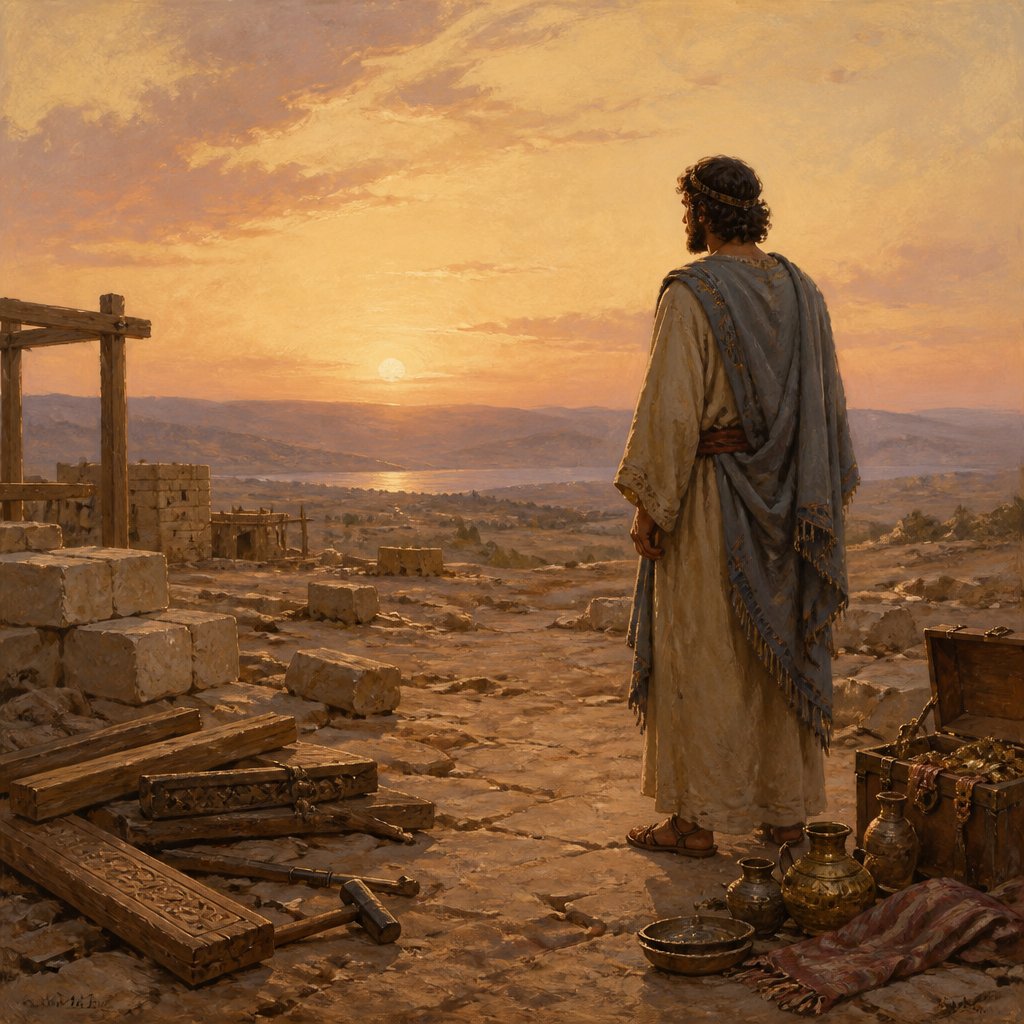
"Ecclesiastes 2:11 KJV: Then I looked on all the works that my hands had wrought, and on the labour that I had laboured to do: and, behold, all was vanity and vexation of spirit, and there was no profit under the sun."
The book of Ecclesiastes is widely considered to be one of the most enigmatic and thought-provoking books in the Bible, filled with existential musings and philosophical reflections on the nature of life and the pursuit of happiness. In this particular verse, the author, traditionally believed to be King Solomon, reflects on all the work he has done and comes to the conclusion that it is all "vanity and vexation of spirit." This verse serves as a critical commentary on the human experience and the pursuit of material success, and it has been the subject of much debate and interpretation throughout history.
At its core, this verse speaks to the futility of human achievement and the fleeting nature of worldly success. The author's realization that "all was vanity" reflects his understanding that material possessions and accomplishments are ultimately meaningless in the grand scheme of things. Despite pouring his efforts and labor into various works, the author comes to the sobering conclusion that there is no lasting profit to be gained from these endeavors. This introspective exploration of the human condition is a central theme in Ecclesiastes, and it continues to resonate with readers today.
The context in which this verse appears is crucial to understanding its significance. Throughout the book of Ecclesiastes, the author grapples with the fleeting nature of life and the uncertainty of the future. He delves into the themes of wisdom, pleasure, toil, and the inevitability of death, seeking to find meaning and purpose in the face of existential angst. The verse in question serves as a culmination of the author's observations and reflections on the pursuit of worldly gain, ultimately leading him to the conclusion that it is all in vain.
Symbolism plays a significant role in interpreting this verse. The "works" and "labour" that the author has undertaken can be seen as representative of the broader human experience – the toil and effort that individuals exert in their pursuit of success and fulfillment. The notion of "vanity and vexation of spirit" speaks to the disillusionment and emptiness that often accompany the relentless quest for worldly accomplishments. This symbolism serves to underscore the universal nature of the author's insights, transcending the specific context of his own experiences to offer a poignant commentary on the human condition.
In interpreting this verse, it is essential to consider the broader theological and moral implications. The author's conclusions about the vanity of human pursuits can be seen as a cautionary tale against placing too much emphasis on material wealth and worldly success. The verse challenges readers to consider the true meaning of fulfillment and happiness, urging them to look beyond the transient nature of earthly endeavors and seek a deeper, more lasting sense of purpose.
Overall, Ecclesiastes 2:11 KJV offers a profound meditation on the insatiable nature of human ambition and the ultimately empty pursuit of worldly gain. It serves as a sobering reminder of the impermanence of material wealth and the need to seek true fulfillment in higher, more profound pursuits. As such, it continues to invite introspection and contemplation, challenging readers to reevaluate their priorities and seek a more meaningful and enduring source of meaning in their lives.
Get our apps


Artwork for Ecclesiastes 2:11

Ecclesiastes 2:11 - "Then I looked on all the works that my hands had wrought, and on the labour that I had laboured to do: and, behold, all was vanity and vexation of spirit, and there was no profit under the sun."
"Then I looked on all the works that my hands had wrought, and on the labour that I had laboured to do: and, behold, all was vanity and vexation of spirit, and there was no profit under the sun." - Ecclesiastes 2:11

Ecclesiastes 11:2 - "Give a portion to seven, and also to eight; for thou knowest not what evil shall be upon the earth."

Ecclesiastes 1:11

Ecclesiastes 11:1-2 - "Cast your bread upon the waters, for you will find it after many days. Give a portion to seven, or even to eight, for you know not what disaster may happen on earth."

Ecclesiastes 7:11 - "¶ Wisdom is good with an inheritance: and by it there is profit to them that see the sun."

Ecclesiastes 10:11 - "Surely the serpent will bite without enchantment; and a babbler is no better."

"Give a portion to seven, and also to eight; for thou knowest not what evil shall be upon the earth." - Ecclesiastes 11:2

Ecclesiastes 11:7 - "¶ Truly the light is sweet, and a pleasant thing it is for the eyes to behold the sun:"

Ecclesiastes 6:11 - "¶ Seeing there be many things that increase vanity, what is man the better?"

Ecclesiastes 11:1 - "Cast thy bread upon the waters: for thou shalt find it after many days."

Ecclesiastes 11:4 - "He that observeth the wind shall not sow; and he that regardeth the clouds shall not reap."

Ecclesiastes 12:11 - "The words of the wise are as goads, and as nails fastened by the masters of assemblies, which are given from one shepherd."

Ecclesiastes 4:11 - "Again, if two lie together, then they have heat: but how can one be warm alone?"

Ecclesiastes 2:2 - "I said of laughter, It is mad: and of mirth, What doeth it?"

ecclesiastes 12:2-6

Ecclesiastes 5:11 - "When goods increase, they are increased that eat them: and what good is there to the owners thereof, saving the beholding of them with their eyes?"

Ecclesiastes 1:11 - "There is no remembrance of former things; neither shall there be any remembrance of things that are to come with those that shall come after."

"¶ Wisdom is good with an inheritance: and by it there is profit to them that see the sun." - Ecclesiastes 7:11

"Surely the serpent will bite without enchantment; and a babbler is no better." - Ecclesiastes 10:11

Ecclesiastes 11:10 - "Therefore remove sorrow from thy heart, and put away evil from thy flesh: for childhood and youth are vanity."

Ecclesiastes 8:11 - "Because sentence against an evil work is not executed speedily, therefore the heart of the sons of men is fully set in them to do evil."

Ecclesiastes 1:2 - "Vanity of vanities, saith the Preacher, vanity of vanities; all is vanity."

Ecclesiastes 11:3 - "If the clouds be full of rain, they empty themselves upon the earth: and if the tree fall toward the south, or toward the north, in the place where the tree falleth, there it shall be."

"Truly the light is sweet, and a pleasant thing it is for the eyes to behold the sun:" - Ecclesiastes 11:7

Ecclesiastes 2:13 - "Then I saw that wisdom excelleth folly, as far as light excelleth darkness."

Ecclesiastes 8:2 - "I counsel thee to keep the king's commandment, and that in regard of the oath of God."

Ecclesiastes 11:6 - "In the morning sow thy seed, and in the evening withhold not thine hand: for thou knowest not whether shall prosper, either this or that, or whether they both shall be alike good."

Ecclesiastes 11:8 - "But if a man live many years, and rejoice in them all; yet let him remember the days of darkness; for they shall be many. All that cometh is vanity."

"¶ Seeing there be many things that increase vanity, what is man the better?" - Ecclesiastes 6:11