What does Ecclesiastes 2:12 mean?
"¶ And I turned myself to behold wisdom, and madness, and folly: for what can the man do that cometh after the king? even that which hath been already done." - Ecclesiastes 2:12
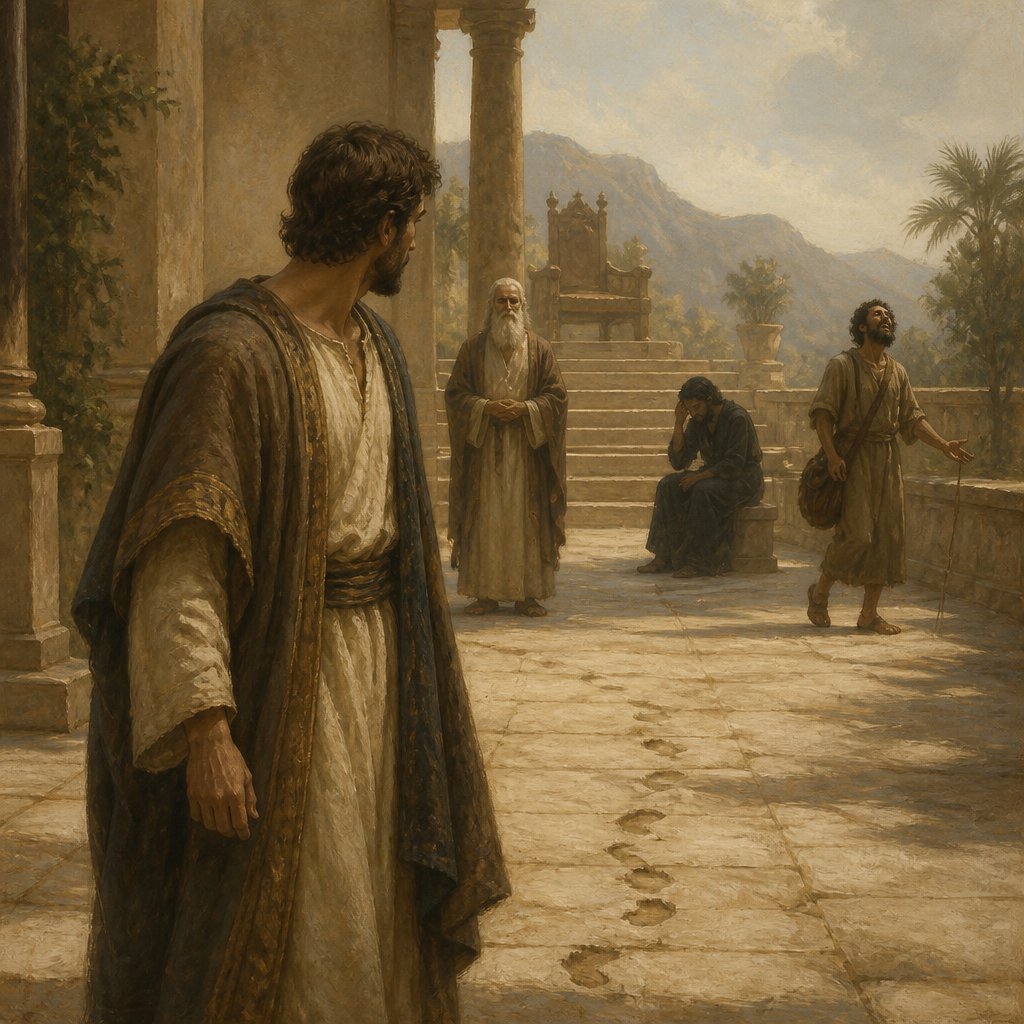
Ecclesiastes 2:12 (KJV) reads, "And I turned myself to behold wisdom, and madness, and folly: for what can the man do that cometh after the king? even that which hath been already done." This verse comes from the book of Ecclesiastes, which is traditionally attributed to King Solomon, the wisest king of Israel. Ecclesiastes is a philosophical book that reflects on the futility of human pursuits and the transient nature of life.
In this verse, the author, usually thought to be Solomon, reflects on the futility of seeking wisdom and knowledge. He turns his attention to contemplating wisdom, madness, and folly. The author is exploring the limitations and complexities of human understanding and experience. The phrase "what can the man do that cometh after the king?" suggests a sense of resignation and acceptance of the fact that no one can surpass the achievements of those who came before them, particularly the king. This sentiment speaks to the idea that no matter how much knowledge and wisdom one attains, there will always be limitations and boundaries that cannot be surpassed.
The verse is rich in symbolism and serves as a reflection on the human condition and the pursuit of knowledge and understanding. It addresses the universal human experience of seeking wisdom and knowledge, only to be confronted with the realization that there are limits to what can be known and understood. The author's contemplation of wisdom, madness, and folly speaks to the complexity of human nature and the intricacies of the human mind. It acknowledges the coexistence of wisdom and foolishness within the human experience, and the challenge of discerning between the two.
The verse also touches on themes of humility and the passing of time. The acknowledgment that no one can surpass the achievements of the king who came before speaks to the transient nature of human endeavors and the humility that comes with recognizing the limitations of one's own efforts. It also reflects on the cyclical nature of human history and the passing of time, as each generation is confronted with the achievements and failures of those who came before them.
In the context of Ecclesiastes as a whole, this verse is part of the author's overarching reflection on the vanity and futility of human pursuits. Throughout the book, the author grapples with the temporary nature of human existence and the limitations of human wisdom and understanding. The verse serves as a reminder of the fleeting nature of human achievements and the constant search for meaning and purpose in the face of life's uncertainties.
Overall, Ecclesiastes 2:12 (KJV) is a thought-provoking and contemplative verse that delves into the complexities of human nature and the pursuit of wisdom and knowledge. It addresses universal themes of humility, the passing of time, and the limitations of human understanding. The verse's rich symbolism and nuanced reflection on the human condition make it a profound and timeless meditation on the nature of human existence.
Have questions about Ecclesiastes 2:12?
Dive deeper into this scripture with Bible Chat — an AI-powered tool for exploring God's Word through conversation. Ask questions, get context, and grow in your understanding of the Bible.
Get Our Apps


Ecclesiastes 2:12 Artwork

Ecclesiastes 2:12 - "¶ And I turned myself to behold wisdom, and madness, and folly: for what can the man do that cometh after the king? even that which hath been already done."
"¶ And I turned myself to behold wisdom, and madness, and folly: for what can the man do that cometh after the king? even that which hath been already done." - Ecclesiastes 2:12

ecclesiastes 12:2-6

"While the sun, or the light, or the moon, or the stars, be not darkened, nor the clouds return after the rain:" - Ecclesiastes 12:2

Ecclesiastes 12:2 - "While the sun, or the light, or the moon, or the stars, be not darkened, nor the clouds return after the rain:"

ecclesiastes 12:1

ecclesiastes 12:1

ecclesiastes 12:1

ecclesiastes 12:1-8

ecclesiastes 12:1-8

ecclesiastes 12:1-8

ecclesiastes 12:1-8

ecclesiastes 12:1-8

Ecclesiastes 1:12 - "¶ I the Preacher was king over Israel in Jerusalem."

Ecclesiastes 12:8 - "¶ Vanity of vanities, saith the preacher; all is vanity."

Ecclesiastes 12:12 - "And further, by these, my son, be admonished: of making many books there is no end; and much study is a weariness of the flesh."

"While the sun, or the light, or the moon, or the stars, be not darkened, nor the clouds return after the rain:" - Ecclesiastes 12:2

Ecclesiastes 12:7 - "Then shall the dust return to the earth as it was: and the spirit shall return unto God who gave it."

Ecclesiastes 10:12 - "The words of a wise man's mouth are gracious; but the lips of a fool will swallow up himself."

Ecclesiastes 3:12 - "I know that there is no good in them, but for a man to rejoice, and to do good in his life."

Ecclesiastes 12:10 - "The preacher sought to find out acceptable words: and that which was written was upright, even words of truth."

Ecclesiastes 12:11 - "The words of the wise are as goads, and as nails fastened by the masters of assemblies, which are given from one shepherd."

Ecclesiastes 4:12 - "And if one prevail against him, two shall withstand him; and a threefold cord is not quickly broken."

Ecclesiastes 7:12 - "For wisdom is a defence, and money is a defence: but the excellency of knowledge is, that wisdom giveth life to them that have it."

Ecclesiastes 2:2 - "I said of laughter, It is mad: and of mirth, What doeth it?"

Ecclesiastes 12:13 - "Let us hear the conclusion of the whole matter: Fear God, and keep his commandments: for this is the whole duty of man."

Ecclesiastes 12:6 - "Or ever the silver cord be loosed, or the golden bowl be broken, or the pitcher be broken at the fountain, or the wheel broken at the cistern."

Ecclesiastes 12:14 - "For God shall bring every work into judgment, with every secret thing, whether it be good, or whether it be evil."

"¶ Vanity of vanities, saith the preacher; all is vanity." - Ecclesiastes 12:8

"¶ I the Preacher was king over Israel in Jerusalem." - Ecclesiastes 1:12