What does Ecclesiastes 2:15 mean?
“Then said I in my heart, As it happeneth to the fool, so it happeneth even to me; and why was I then more wise? Then I said in my heart, that this also is vanity.” — Ecclesiastes 2:15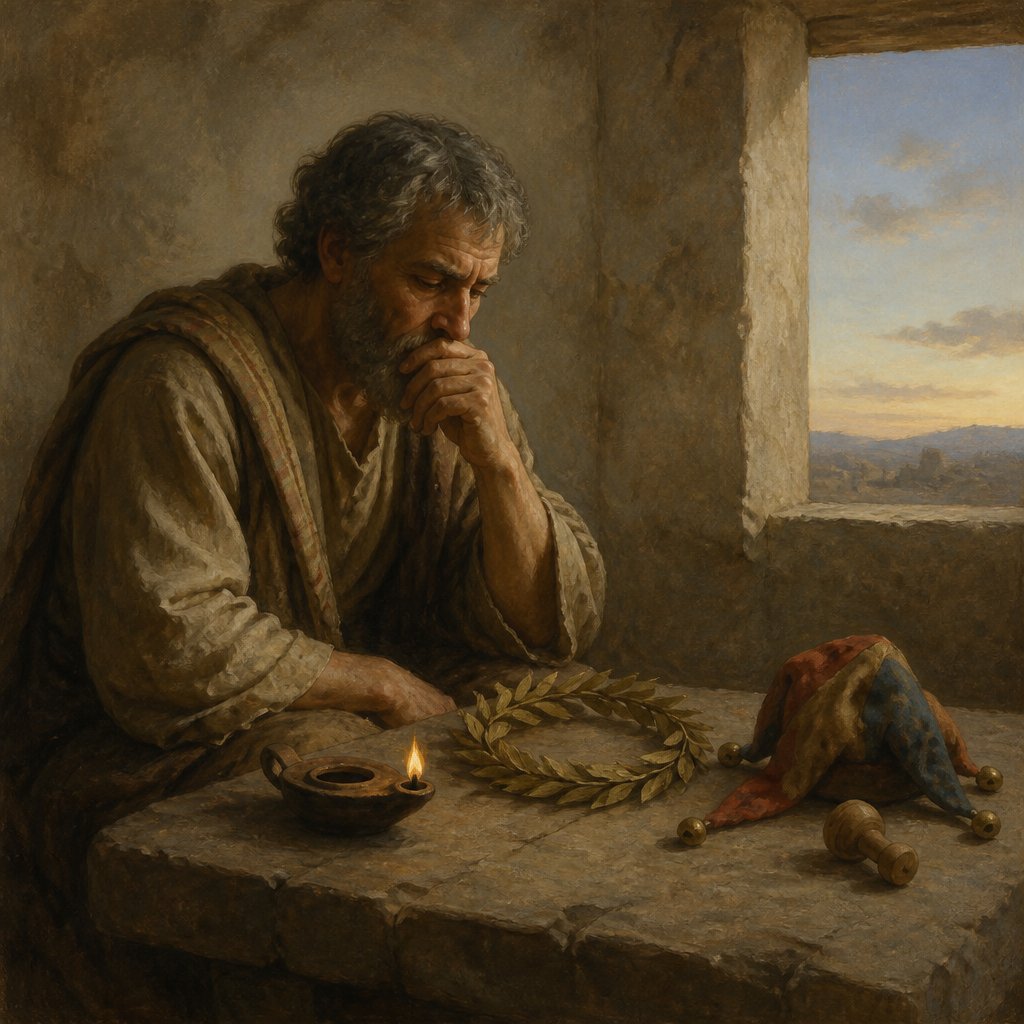
Ecclesiastes 2:15 (KJV) says, "Then said I in my heart, As it happeneth to the fool, so it happeneth even to me; and why was I then more wise? Then I said in my heart, that this also is vanity."
The book of Ecclesiastes is attributed to King Solomon, known for his unparalleled wisdom, wealth, and power. The author reflects deeply on the meaning of life and the pursuit of wisdom, pleasure, and fulfillment. This particular verse captures the existential crisis of the author as he contemplates the futility and vanity of earthly pursuits and human wisdom.
The phrase "As it happeneth to the fool, so it happeneth even to me" portrays a sense of despair and resignation. It represents the author's realization that the same fate befalls both the foolish and the wise. Despite his wisdom and achievements, he is not exempt from the hardships and afflictions that come with living in a fallen world. This acknowledgment punctures the arrogance and pride that often accompany human wisdom and success. It serves as a humbling reminder of the frailty and mortality of human existence.
The author then questions the value of his own wisdom and asks, "why was I then more wise?" This rhetorical question highlights the disillusionment and perplexity that the pursuit of wisdom has brought him. He grapples with the idea that his wisdom has not provided him with any lasting advantage or exemption from the struggles and uncertainties of life. This contemplation echoes the sentiment expressed in Ecclesiastes 1:18, "For in much wisdom is much grief: and he that increaseth knowledge increaseth sorrow."
The verse concludes with the declaration, "this also is vanity." The word "vanity" in the book of Ecclesiastes is derived from the Hebrew word "hevel," which conveys the concept of emptiness, futility, and vapor. The author uses this word repeatedly to emphasize the fleeting and transient nature of human pursuits and achievements. In this context, "vanity" suggests that the pursuit of wisdom and the accumulation of knowledge, while noble and valuable in themselves, ultimately do not offer ultimate satisfaction or deliverance from the trials of life.
The overarching theme of Ecclesiastes revolves around the transience of human life and the temporal nature of earthly endeavors. The author grapples with the inherent limitations of human wisdom and the inevitability of death. He observes the cyclical patterns of life and the certainty of mortality, leading him to question the purpose and meaning of human existence. The pursuit of wisdom, pleasure, wealth, and achievement are all scrutinized and found lacking in providing lasting fulfillment and meaning.
The verse also underscores the universal experience of human suffering and the equality of all people in the face of adversity. It highlights the fundamental equality of the wise and the fool, the rich and the poor, the powerful and the marginalized. This egalitarian outlook challenges the prevailing notions of hierarchy and privilege, reminding the reader that no one is exempt from the struggles and uncertainties of life.
Symbolically, Ecclesiastes 2:15 serves as a mirror reflecting the existential angst and disillusionment of the human condition. It invites the reader to confront the limitations of human wisdom and the transient nature of earthly pursuits. The verse serves as a poignant reminder of the impermanence and insufficiency of worldly endeavors, prompting the reader to seek a deeper and more enduring source of meaning and purpose.
In conclusion, Ecclesiastes 2:15 encapsulates the profound reflection and introspection found in the book of Ecclesiastes. It challenges the reader to reevaluate the significance and value of earthly pursuits and human wisdom in light of the transient nature of life. It beckons the reader to seek a perspective that transcends the temporal and ephemeral, pointing towards a source of enduring meaning and fulfillment beyond the confines of this world.
Get our apps


Artwork for Ecclesiastes 2:15

Ecclesiastes 2:15 - "Then said I in my heart, As it happeneth to the fool, so it happeneth even to me; and why was I then more wise? Then I said in my heart, that this also is vanity."
"Then said I in my heart, As it happeneth to the fool, so it happeneth even to me; and why was I then more wise? Then I said in my heart, that this also is vanity." - Ecclesiastes 2:15

Ecclesiastes 1:15 - "That which is crooked cannot be made straight: and that which is wanting cannot be numbered."

Ecclesiastes 1:15 What is crooked cannot be made straight, and what is lacking cannot be counted.

Ecclesiastes 1:15 What is crooked cannot be made straight, and what is lacking cannot be counted.

Ecclesiastes 10:15 - "The labour of the foolish wearieth every one of them, because he knoweth not how to go to the city."

Ecclesiastes 3:15 - "That which hath been is now; and that which is to be hath already been; and God requireth that which is past."

Ecclesiastes 1:15 What is crooked cannot be made straight, and what is lacking cannot be counted.

Ecclesiastes 1:15 What is crooked cannot be made straight, and what is lacking cannot be counted.

Ecclesiastes 2:2 - "I said of laughter, It is mad: and of mirth, What doeth it?"
![[NRSVUE]
Ecclesiastes 1:15
15 What is crooked cannot be made straight,
and what is lacking cannot be counted.](https://media.bible.art/15df6472-8856-4b1a-ba72-91e73096565e-thumbnail.jpg)
[NRSVUE] Ecclesiastes 1:15 15 What is crooked cannot be made straight, and what is lacking cannot be counted.

Ecclesiastes 1:15 What is crooked cannot be made straight, and what is lacking cannot be counted.
![[NRSVUE]
Ecclesiastes 1:15
15 What is crooked cannot be made straight,
and what is lacking cannot be counted.](https://media.bible.art/6f182873-2ddf-4166-a947-60a35703d2a9-thumbnail.jpg)
[NRSVUE] Ecclesiastes 1:15 15 What is crooked cannot be made straight, and what is lacking cannot be counted.
![[NRSVUE]
Ecclesiastes 1:15
15 What is crooked cannot be made straight,
and what is lacking cannot be counted.](https://media.bible.art/aa6315d4-7282-4c61-998b-d5dd63fd6c52-thumbnail.jpg)
[NRSVUE] Ecclesiastes 1:15 15 What is crooked cannot be made straight, and what is lacking cannot be counted.
![[NRSVUE]
Ecclesiastes 1:15
15 What is crooked cannot be made straight,
and what is lacking cannot be counted.](https://media.bible.art/a8098785-2832-4a9b-a7b3-ce982a90a8b2-thumbnail.jpg)
[NRSVUE] Ecclesiastes 1:15 15 What is crooked cannot be made straight, and what is lacking cannot be counted.

ecclesiastes 12:2-6

Ecclesiastes 4:15 - "I considered all the living which walk under the sun, with the second child that shall stand up in his stead."
![[NRSVUE]
Ecclesiastes 1:15
15 What is crooked cannot be made straight,
and what is lacking cannot be counted.](https://media.bible.art/924de3d4-710b-4ba9-87b8-a6cf27004fc4-thumbnail.jpg)
[NRSVUE] Ecclesiastes 1:15 15 What is crooked cannot be made straight, and what is lacking cannot be counted.
![[NRSVUE]
Ecclesiastes 1:15
15 What is crooked cannot be made straight,
and what is lacking cannot be counted.](https://media.bible.art/29d2fb38-b1cc-4e02-8066-8317b6c30d4c-thumbnail.jpg)
[NRSVUE] Ecclesiastes 1:15 15 What is crooked cannot be made straight, and what is lacking cannot be counted.
![[NRSVUE]
Ecclesiastes 1:15
15 What is crooked cannot be made straight,
and what is lacking cannot be counted.](https://media.bible.art/d6ab90d5-6150-4b39-9c4e-625de93b44da-thumbnail.jpg)
[NRSVUE] Ecclesiastes 1:15 15 What is crooked cannot be made straight, and what is lacking cannot be counted.
![[NRSVUE]
Ecclesiastes 1:15
15 What is crooked cannot be made straight,
and what is lacking cannot be counted.](https://media.bible.art/84cd2053-ef6b-42f8-9ca3-ad238c46cf75-thumbnail.jpg)
[NRSVUE] Ecclesiastes 1:15 15 What is crooked cannot be made straight, and what is lacking cannot be counted.

Ecclesiastes 9:15 - "Now there was found in it a poor wise man, and he by his wisdom delivered the city; yet no man remembered that same poor man."

Ecclesiastes 1:2 - "Vanity of vanities, saith the Preacher, vanity of vanities; all is vanity."

Ecclesiastes 2:13 - "Then I saw that wisdom excelleth folly, as far as light excelleth darkness."

Ecclesiastes 8:2 - "I counsel thee to keep the king's commandment, and that in regard of the oath of God."
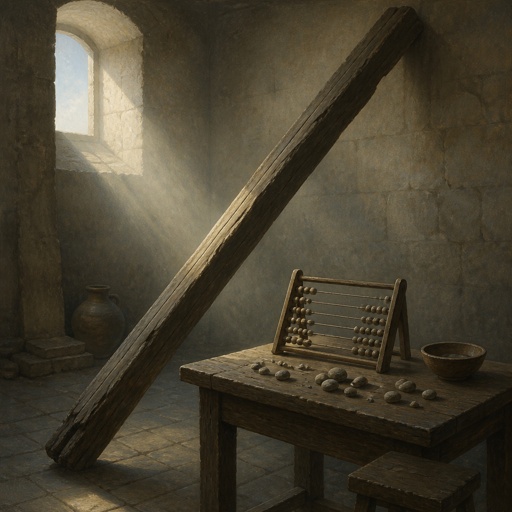
"That which is crooked cannot be made straight: and that which is wanting cannot be numbered." - Ecclesiastes 1:15

Ecclesiastes 7:15 - "All things have I seen in the days of my vanity: there is a just man that perisheth in his righteousness, and there is a wicked man that prolongeth his life in his wickedness."

Ecclesiastes 3:2 - "A time to be born, and a time to die; a time to plant, and a time to pluck up that which is planted;"

Ecclesiastes 2:25 - "For who can eat, or who else can hasten hereunto, more than I?"

Ecclesiastes 10:2 - "A wise man's heart is at his right hand; but a fool's heart at his left."