What does Ecclesiastes 2:16 mean?
“For there is no remembrance of the wise more than of the fool for ever; seeing that which now is in the days to come shall all be forgotten. And how dieth the wise man? as the fool.” — Ecclesiastes 2:16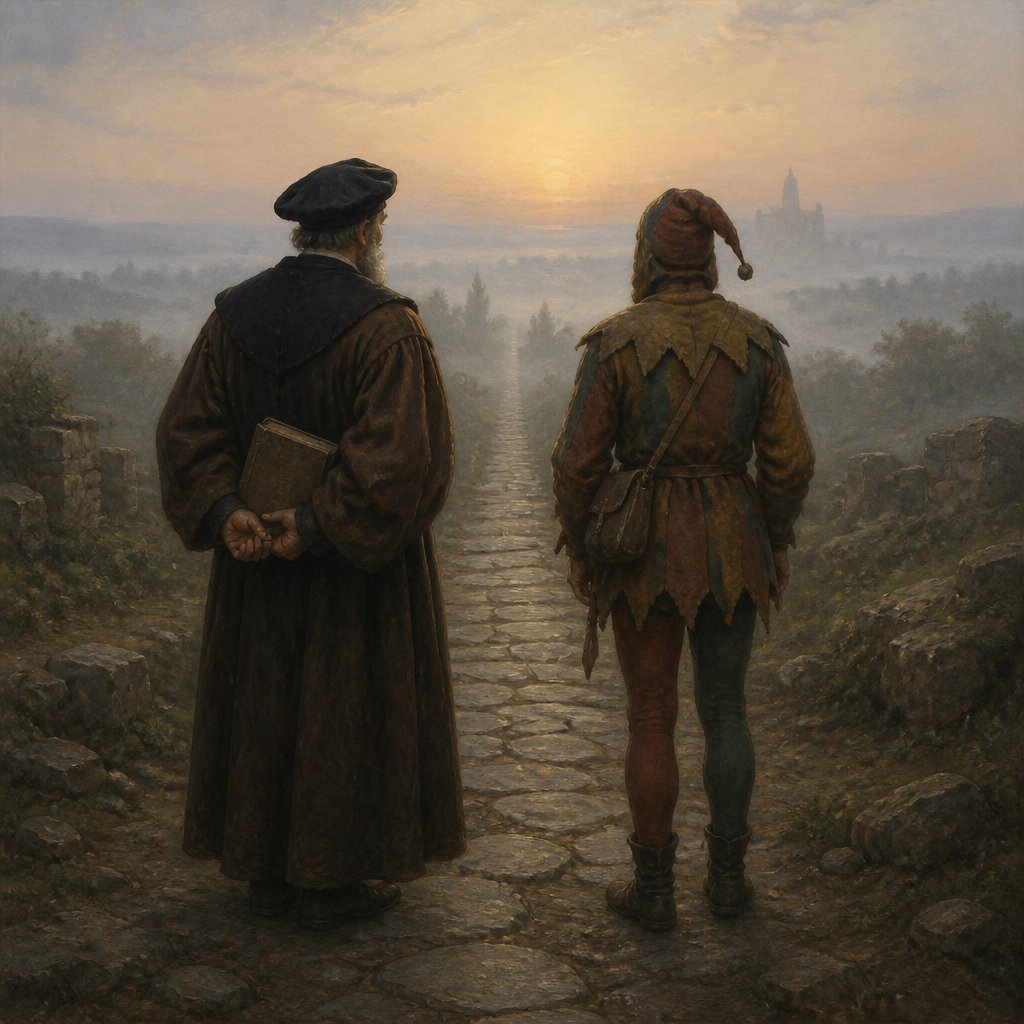
Ecclesiastes 2:16 - "For there is no remembrance of the wise more than of the fool for ever; seeing that which now is in the days to come shall all be forgotten. And how dieth the wise man? as the fool."
The book of Ecclesiastes is a part of the Old Testament wisdom literature and is traditionally attributed to King Solomon, known for his legendary wisdom. The overarching theme of the book is the exploration of the meaning of life, the futility of human toil, and the ultimate inevitability of death. In Ecclesiastes 2:16, Solomon reflects on the irony that despite their wisdom, both wise and foolish individuals will ultimately be forgotten.
The verse begins with the assertion that there is no lasting remembrance of the wise more than the fool. This statement challenges the commonly held belief that wisdom leads to a lasting legacy. In the eyes of the world, the wise and the fool are ultimately forgotten. This observation by Solomon speaks to the fleeting nature of human existence and the transience of earthly achievements and reputations. The verse goes on to declare that everything that happens in the present will eventually be forgotten in the future. This sentiment underscores the ephemeral nature of human life and experiences, emphasizing the vanity of striving for worldly success and recognition.
Solomon then poses a thought-provoking question: "How does the wise man die?—Just like the fool!" This rhetorical question has profound implications. In asking this, Solomon is highlighting the common destiny of all human beings, regardless of their wisdom or folly. Death is the great equalizer, rendering all earthly distinctions meaningless. The wise man, despite his knowledge and understanding, meets the same end as the fool. This realization challenges the conventional wisdom that wisdom offers some form of protection or immunity against the universal fate of mortality. Solomon's questioning serves to provoke introspection and contemplation on the nature of human existence and the value of wisdom in the face of mortality.
The verse from Ecclesiastes 2:16 carries with it a deep sense of disillusionment and existential angst. It serves as a poignant reminder of the temporality of human life and the insignificance of worldly accomplishments in the grander scheme of things. It brings to the fore the transient nature of human existence and the ultimate futility of pursuing earthly glory and recognition.
In a broader context, this verse also speaks to the fleeting nature of human history and the impermanence of human achievements, no matter how remarkable they may seem at the time. The verse challenges the prevailing cultural emphasis on achieving success, leaving a legacy, and being remembered for one's wisdom and accomplishments. Instead, it offers a sobering meditation on the ephemeral nature of human existence, serving as a call to refocus on what truly matters and to find meaning beyond the temporal pursuits of the world.
Symbolically, Ecclesiastes 2:16 can be seen as a poignant reminder of the ultimate insignificance of worldly success and reputation in the face of mortality. It invites contemplation on the nature of wisdom and the pursuit of enduring significance in the midst of impermanence. The verse prompts a reevaluation of priorities and a shift in focus towards pursuits that have eternal value and meaning.
In conclusion, Ecclesiastes 2:16 offers a sobering reflection on the fleeting nature of human existence and the ultimate insignificance of earthly accomplishments. It challenges the cultural obsession with leaving a lasting legacy and emphasizes the imperative of seeking enduring significance. The verse encourages a reorientation towards pursuits that transcend the temporal and fleeting, prompting a deeper consideration of the ultimate purpose and meaning of life.
Get our apps


Artwork for Ecclesiastes 2:16

Ecclesiastes 2:16 - "For there is no remembrance of the wise more than of the fool for ever; seeing that which now is in the days to come shall all be forgotten. And how dieth the wise man? as the fool."
"For there is no remembrance of the wise more than of the fool for ever; seeing that which now is in the days to come shall all be forgotten. And how dieth the wise man? as the fool." - Ecclesiastes 2:16

Ecclesiastes 3:16 - "¶ And moreover I saw under the sun the place of judgment, that wickedness was there; and the place of righteousness, that iniquity was there."

Ecclesiastes 10:16 - "¶ Woe to thee, O land, when thy king is a child, and thy princes eat in the morning!"

Ecclesiastes 7:16 - "Be not righteous over much; neither make thyself over wise: why shouldest thou destroy thyself?"

Ecclesiastes 2:2 - "I said of laughter, It is mad: and of mirth, What doeth it?"

Ecclesiastes 9:16 - "Then said I, Wisdom is better than strength: nevertheless the poor man's wisdom is despised, and his words are not heard."

ecclesiastes 12:2-6

Ecclesiastes 5:16 - "And this also is a sore evil, that in all points as he came, so shall he go: and what profit hath he that hath laboured for the wind?"

Ecclesiastes 1:2 - "Vanity of vanities, saith the Preacher, vanity of vanities; all is vanity."

Ecclesiastes 2:13 - "Then I saw that wisdom excelleth folly, as far as light excelleth darkness."

Ecclesiastes 8:2 - "I counsel thee to keep the king's commandment, and that in regard of the oath of God."

Ecclesiastes 4:16 - "There is no end of all the people, even of all that have been before them: they also that come after shall not rejoice in him. Surely this also is vanity and vexation of spirit."
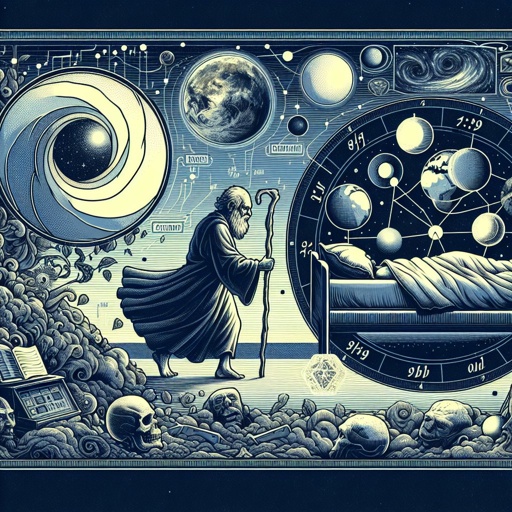
Ecclesiastes 8:16 - "¶ When I applied mine heart to know wisdom, and to see the business that is done upon the earth: (for also there is that neither day nor night seeth sleep with his eyes:)"

Ecclesiastes 3:2 - "A time to be born, and a time to die; a time to plant, and a time to pluck up that which is planted;"

Ecclesiastes 2:25 - "For who can eat, or who else can hasten hereunto, more than I?"

Ecclesiastes 10:2 - "A wise man's heart is at his right hand; but a fool's heart at his left."

"I said of laughter, It is mad: and of mirth, What doeth it?" - Ecclesiastes 2:2

Ecclesiastes 2:5 - "I made me gardens and orchards, and I planted trees in them of all kind of fruits:"

Ecclesiastes 2:6 - "I made me pools of water, to water therewith the wood that bringeth forth trees:"

"While the sun, or the light, or the moon, or the stars, be not darkened, nor the clouds return after the rain:" - Ecclesiastes 12:2

Ecclesiastes 12:2 - "While the sun, or the light, or the moon, or the stars, be not darkened, nor the clouds return after the rain:"

"¶ And moreover I saw under the sun the place of judgment, that wickedness was there; and the place of righteousness, that iniquity was there." - Ecclesiastes 3:16

Ecclesiastes 2:4 - "I made me great works; I builded me houses; I planted me vineyards:"

Ecclesiastes 4:2 - "Wherefore I praised the dead which are already dead more than the living which are yet alive."

Ecclesiastes 11:2 - "Give a portion to seven, and also to eight; for thou knowest not what evil shall be upon the earth."
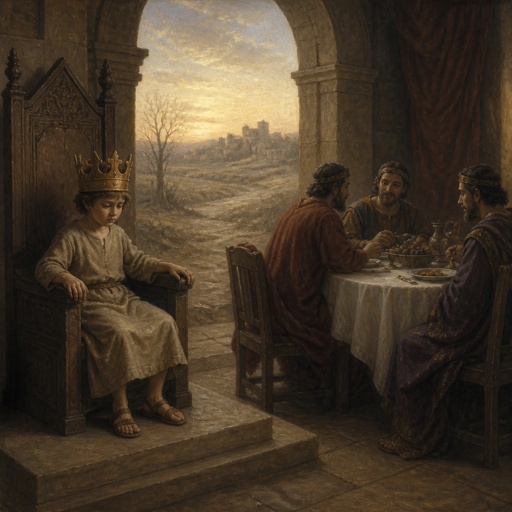
"¶ Woe to thee, O land, when thy king is a child, and thy princes eat in the morning!" - Ecclesiastes 10:16

Ecclesiastes 2:22 - "For what hath man of all his labour, and of the vexation of his heart, wherein he hath laboured under the sun?"

Ecclesiastes 2:20 - "Therefore I went about to cause my heart to despair of all the labour which I took under the sun."

Ecclesiastes 2:1 - "I said in mine heart, Go to now, I will prove thee with mirth, therefore enjoy pleasure: and, behold, this also is vanity."