What does Ecclesiastes 2:25 mean?
“For who can eat, or who else can hasten hereunto, more than I?” — Ecclesiastes 2:25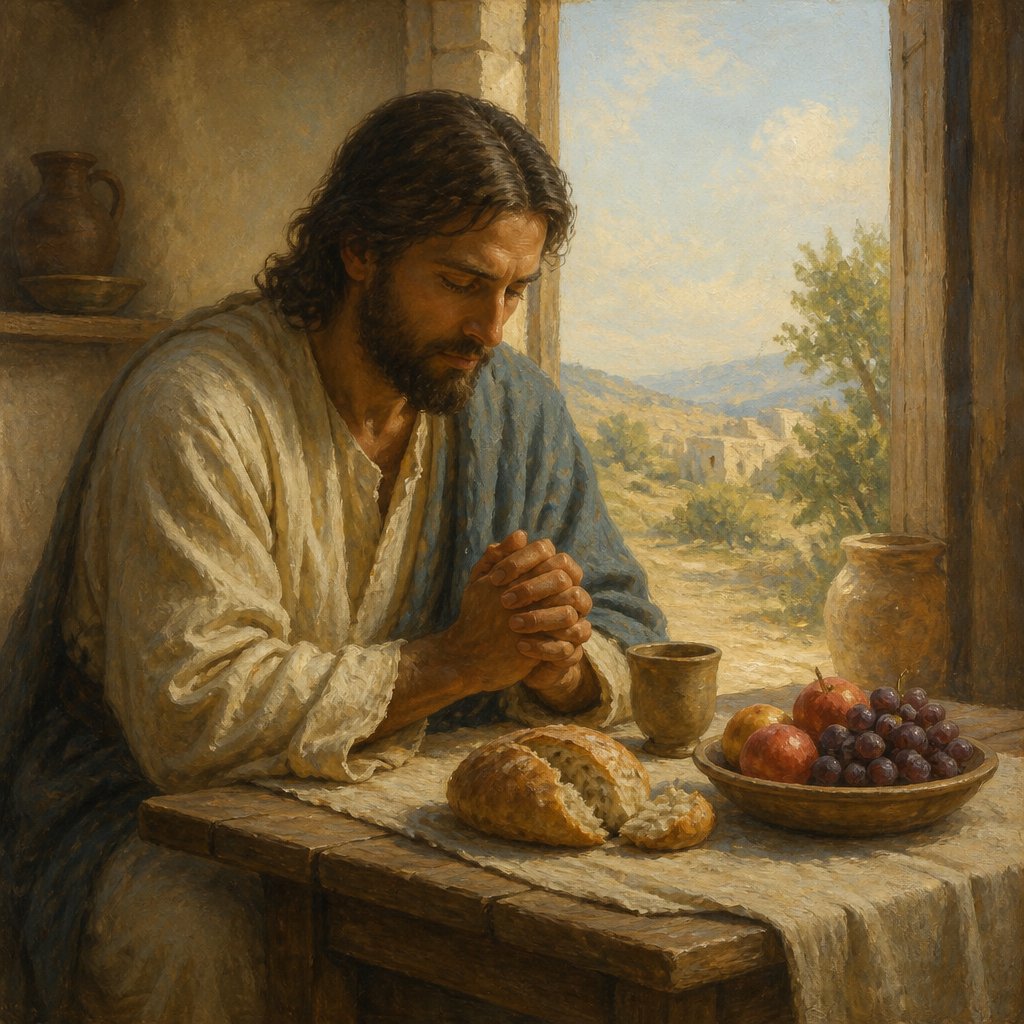
Ecclesiastes 2:25 in the King James Version reads, "For who can eat, or who else can hasten hereunto, more than I?" The verse is part of a larger passage in the book of Ecclesiastes, which is traditionally attributed to King Solomon, the son of David and a ruler of the Israelites. Ecclesiastes is known for its reflections on the futility of life and the pursuit of material gain, and this verse is no exception.
In context, this verse is part of a section where the author is reflecting on the emptiness of toiling and striving for wealth and success. In the preceding verses, the author describes how they had amassed great wealth and possessions, had acquired many servants, and had experienced every pleasure imaginable, yet they found it all meaningless and empty. The verse in question emphasizes the author's preeminent position, questioning who could possibly enjoy life more than they, with all their achievements and possessions.
The verse embodies a central theme of Ecclesiastes, which is the idea that all human endeavors are ultimately futile and unfulfilling. The author's rhetorical question serves to highlight the irony of their situation – despite their wealth and power, they are still unfulfilled and dissatisfied.
There is a strong sense of arrogance and disillusionment in this verse. The author's boastful claim that no one can enjoy life more than they do reveals a certain arrogance and self-importance. The author seems to be expressing a sense of superiority, believing themselves to be the pinnacle of human achievement. However, this sense of superiority is ultimately undercut by the larger message of the book, which is that all human accomplishments are ultimately meaningless.
The verse also serves as a commentary on the nature of wealth and material possessions. The author's accumulation of wealth and possessions is ultimately unsatisfying, as they can find no lasting fulfillment in them. This echoes the recurring theme in Ecclesiastes that the pursuit of wealth and material gain is ultimately futile and empty.
Symbolically, the verse can be seen as a representation of the human struggle for fulfillment and meaning. The author's question – "For who can eat, or who else can hasten hereunto, more than I?" – highlights the universal human desire for satisfaction and contentment. The author's boastful claim to have achieved the pinnacle of enjoyment serves to highlight the futility of such pursuits.
Overall, Ecclesiastes 2:25 serves as a poignant reflection on the human condition and the fruitlessness of pursuing material gain and worldly pleasures. It highlights the self-centeredness and arrogance that can accompany the pursuit of wealth and success, and ultimately underscores the emptiness of such pursuits. In the larger context of the book of Ecclesiastes, this verse serves as a powerful reminder of the transience of human life and the impermanence of worldly achievements. It is a profound meditation on the true nature of fulfillment and the futility of seeking it in material possessions and earthly success.
Get our apps


Artwork for Ecclesiastes 2:25

Ecclesiastes 2:25 - "For who can eat, or who else can hasten hereunto, more than I?"
"For who can eat, or who else can hasten hereunto, more than I?" - Ecclesiastes 2:25

Ecclesiastes 2:5 - "I made me gardens and orchards, and I planted trees in them of all kind of fruits:"

"I made me gardens and orchards, and I planted trees in them of all kind of fruits:" - Ecclesiastes 2:5

Ecclesiastes 7:25 - "I applied mine heart to know, and to search, and to seek out wisdom, and the reason of things, and to know the wickedness of folly, even of foolishness and madness:"

Ecclesiastes 2:2 - "I said of laughter, It is mad: and of mirth, What doeth it?"

ecclesiastes 12:2-6

Ecclesiastes 1:2 - "Vanity of vanities, saith the Preacher, vanity of vanities; all is vanity."

Ecclesiastes 2:13 - "Then I saw that wisdom excelleth folly, as far as light excelleth darkness."

Ecclesiastes 8:2 - "I counsel thee to keep the king's commandment, and that in regard of the oath of God."

Ecclesiastes 3:2 - "A time to be born, and a time to die; a time to plant, and a time to pluck up that which is planted;"

Ecclesiastes 10:2 - "A wise man's heart is at his right hand; but a fool's heart at his left."

"I said of laughter, It is mad: and of mirth, What doeth it?" - Ecclesiastes 2:2

Ecclesiastes 2:6 - "I made me pools of water, to water therewith the wood that bringeth forth trees:"

"While the sun, or the light, or the moon, or the stars, be not darkened, nor the clouds return after the rain:" - Ecclesiastes 12:2

Ecclesiastes 12:2 - "While the sun, or the light, or the moon, or the stars, be not darkened, nor the clouds return after the rain:"

Ecclesiastes 2:4 - "I made me great works; I builded me houses; I planted me vineyards:"

Ecclesiastes 4:2 - "Wherefore I praised the dead which are already dead more than the living which are yet alive."

Ecclesiastes 11:2 - "Give a portion to seven, and also to eight; for thou knowest not what evil shall be upon the earth."

Ecclesiastes 2:22 - "For what hath man of all his labour, and of the vexation of his heart, wherein he hath laboured under the sun?"

Ecclesiastes 2:20 - "Therefore I went about to cause my heart to despair of all the labour which I took under the sun."

Ecclesiastes 2:1 - "I said in mine heart, Go to now, I will prove thee with mirth, therefore enjoy pleasure: and, behold, this also is vanity."

Ecclesiastes 7:2 - "¶ It is better to go to the house of mourning, than to go to the house of feasting: for that is the end of all men; and the living will lay it to his heart."

Ecclesiastes 2:23 - "For all his days are sorrows, and his travail grief; yea, his heart taketh not rest in the night. This is also vanity."

Ecclesiastes 2:14 - "The wise man's eyes are in his head; but the fool walketh in darkness: and I myself perceived also that one event happeneth to them all."

Ecclesiastes 2:17 - "Therefore I hated life; because the work that is wrought under the sun is grievous unto me: for all is vanity and vexation of spirit."

Ecclesiastes 2:9 - "So I was great, and increased more than all that were before me in Jerusalem: also my wisdom remained with me."
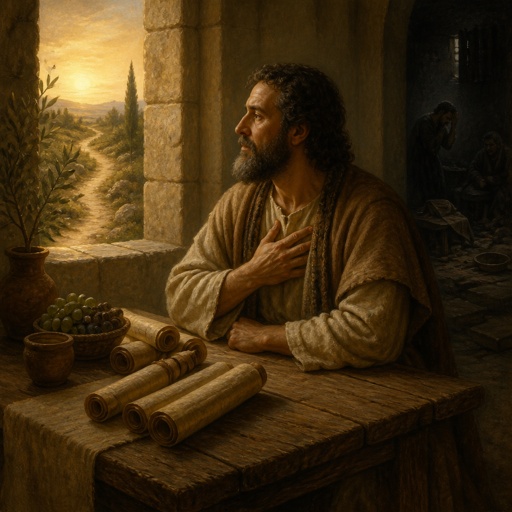
"I applied mine heart to know, and to search, and to seek out wisdom, and the reason of things, and to know the wickedness of folly, even of foolishness and madness:" - Ecclesiastes 7:25

"Vanity of vanities, saith the Preacher, vanity of vanities; all is vanity." - Ecclesiastes 1:2

Ecclesiastes 2:15 - "Then said I in my heart, As it happeneth to the fool, so it happeneth even to me; and why was I then more wise? Then I said in my heart, that this also is vanity."