What does Ecclesiastes 2:26 mean?
"For God giveth to a man that is good in his sight wisdom, and knowledge, and joy: but to the sinner he giveth travail, to gather and to heap up, that he may give to him that is good before God. This also is vanity and vexation of spirit." - Ecclesiastes 2:26
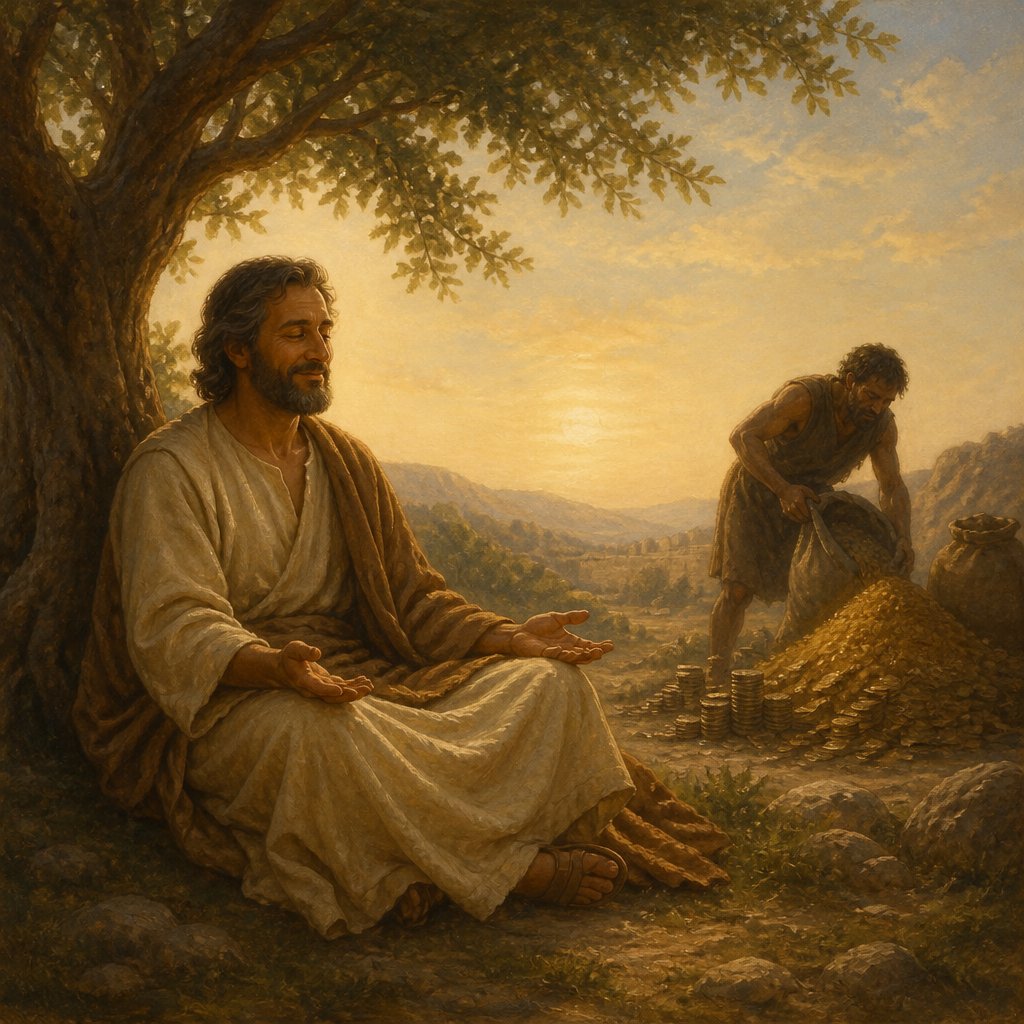
Ecclesiastes 2:26 in the King James Version of the Bible reads, "For God giveth to a man that is good in his sight wisdom, and knowledge, and joy: but to the sinner he giveth travail, to gather and to heap up, that he may give to him that is good before God. This also is vanity and vexation of spirit."
This verse is part of the book of Ecclesiastes, which is traditionally attributed to King Solomon. The book tackles the complex questions of life, purpose, and the pursuit of meaning. In this particular verse, the author reflects on the distribution of wealth and the apparent injustice experienced in the world. The verse touches on themes of divine justice, wisdom, and the futility of worldly gain.
The verse begins by asserting that God grants wisdom, knowledge, and joy to those whom He finds favorable. This statement emphasizes the sovereignty of God in bestowing blessings upon individuals. It suggests that those who live in accordance with God's will are rewarded with spiritual gifts that enrich their lives. This aligns with the overarching theme in the book of Ecclesiastes regarding the pursuit of wisdom and the acknowledgment of God's authority over all things.
Conversely, the verse also addresses the fate of sinners. It states that sinners are given the task of laboring and accumulating wealth only to see it transferred to the righteous. This notion challenges the idea of worldly success bringing lasting fulfillment. It presents a contrast between the fleeting nature of material wealth and the enduring value of spiritual wisdom. This stark dichotomy between the sinner and the righteous reflects the broader ethical and moral considerations within the biblical context.
Furthermore, the verse highlights the concept of vanity and vexation of spirit. The term "vanity" appears frequently in Ecclesiastes and denotes the futility and emptiness of worldly pursuits when separated from God. The phrase "vexation of spirit" expresses the frustration and anxiety that result from chasing after transient pleasures and material gain. This reflects the broader existential contemplations found throughout the book, as the author grapples with the limitations and uncertainties of human existence.
One can interpret the symbolism in Ecclesiastes 2:26 through the metaphorical representation of labor and wealth. The act of "travail" in the verse can be viewed as a symbol of toiling and exerting effort in the pursuit of temporal gain. This labor serves as a tangible representation of the ephemeral nature of material wealth and the emptiness it brings to those who prioritize it above spiritual fulfillment.
In the broader context of Ecclesiastes, this verse serves as a reminder of the fleeting nature of worldly pursuits and the enduring value of seeking wisdom and righteousness. It underscores the transient nature of material possessions and the ultimate futility in placing excessive emphasis on them. The dichotomy between the sinner and the righteous presents a moral lesson about the consequences of living in opposition to God's will and the rewards found in aligning with His purpose.
In conclusion, Ecclesiastes 2:26 encapsulates the profound philosophical and theological reflections found within the book of Ecclesiastes. It delves into the themes of divine justice, the pursuit of wisdom, and the ultimate futility of worldly gain. Through its vivid imagery and profound insights, this verse continues to resonate with readers, offering timeless wisdom and guidance in navigating the complexities of human existence.
Have questions about Ecclesiastes 2:26?
Dive deeper into this scripture with Bible Chat — an AI-powered tool for exploring God's Word through conversation. Ask questions, get context, and grow in your understanding of the Bible.
Get Our Apps


Ecclesiastes 2:26 Artwork
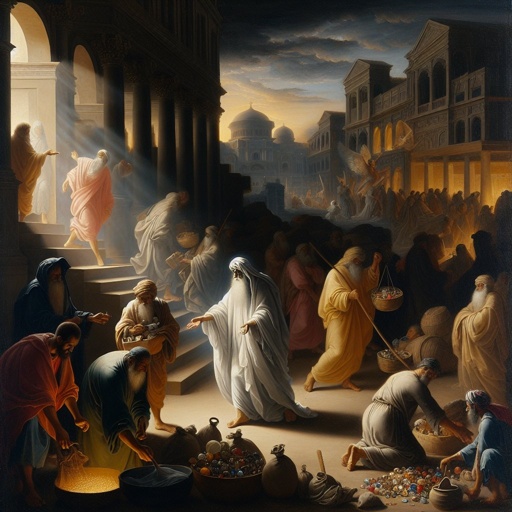
Ecclesiastes 2:26 - "For God giveth to a man that is good in his sight wisdom, and knowledge, and joy: but to the sinner he giveth travail, to gather and to heap up, that he may give to him that is good before God. This also is vanity and vexation of spirit."
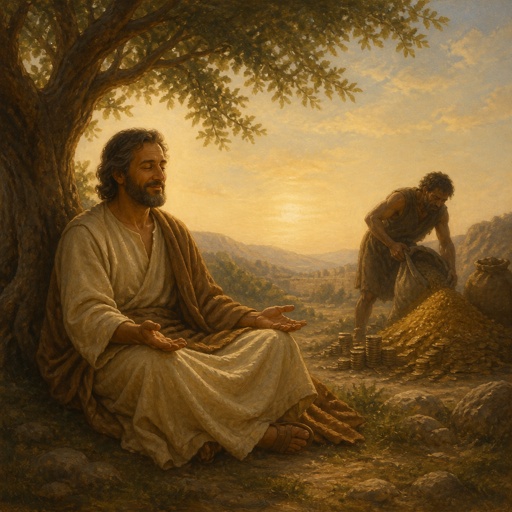
"For God giveth to a man that is good in his sight wisdom, and knowledge, and joy: but to the sinner he giveth travail, to gather and to heap up, that he may give to him that is good before God. This also is vanity and vexation of spirit." - Ecclesiastes 2:26

Ecclesiastes 2:6 - "I made me pools of water, to water therewith the wood that bringeth forth trees:"

"I made me pools of water, to water therewith the wood that bringeth forth trees:" - Ecclesiastes 2:6

Ecclesiastes 2:2 - "I said of laughter, It is mad: and of mirth, What doeth it?"

ecclesiastes 12:2-6

Ecclesiastes 7:26 - "And I find more bitter than death the woman, whose heart is snares and nets, and her hands as bands: whoso pleaseth God shall escape from her; but the sinner shall be taken by her."

Ecclesiastes 1:2 - "Vanity of vanities, saith the Preacher, vanity of vanities; all is vanity."

Ecclesiastes 2:13 - "Then I saw that wisdom excelleth folly, as far as light excelleth darkness."

Ecclesiastes 8:2 - "I counsel thee to keep the king's commandment, and that in regard of the oath of God."

Ecclesiastes 3:2 - "A time to be born, and a time to die; a time to plant, and a time to pluck up that which is planted;"

Ecclesiastes 2:25 - "For who can eat, or who else can hasten hereunto, more than I?"

Ecclesiastes 10:2 - "A wise man's heart is at his right hand; but a fool's heart at his left."

"I said of laughter, It is mad: and of mirth, What doeth it?" - Ecclesiastes 2:2

Ecclesiastes 2:5 - "I made me gardens and orchards, and I planted trees in them of all kind of fruits:"

"While the sun, or the light, or the moon, or the stars, be not darkened, nor the clouds return after the rain:" - Ecclesiastes 12:2

Ecclesiastes 12:2 - "While the sun, or the light, or the moon, or the stars, be not darkened, nor the clouds return after the rain:"

Ecclesiastes 2:4 - "I made me great works; I builded me houses; I planted me vineyards:"

Ecclesiastes 4:2 - "Wherefore I praised the dead which are already dead more than the living which are yet alive."

Ecclesiastes 11:2 - "Give a portion to seven, and also to eight; for thou knowest not what evil shall be upon the earth."

Ecclesiastes 2:22 - "For what hath man of all his labour, and of the vexation of his heart, wherein he hath laboured under the sun?"

Ecclesiastes 2:20 - "Therefore I went about to cause my heart to despair of all the labour which I took under the sun."

Ecclesiastes 2:1 - "I said in mine heart, Go to now, I will prove thee with mirth, therefore enjoy pleasure: and, behold, this also is vanity."

Ecclesiastes 7:2 - "¶ It is better to go to the house of mourning, than to go to the house of feasting: for that is the end of all men; and the living will lay it to his heart."

Ecclesiastes 2:23 - "For all his days are sorrows, and his travail grief; yea, his heart taketh not rest in the night. This is also vanity."

Ecclesiastes 2:14 - "The wise man's eyes are in his head; but the fool walketh in darkness: and I myself perceived also that one event happeneth to them all."

Ecclesiastes 2:17 - "Therefore I hated life; because the work that is wrought under the sun is grievous unto me: for all is vanity and vexation of spirit."

Ecclesiastes 2:9 - "So I was great, and increased more than all that were before me in Jerusalem: also my wisdom remained with me."

"Vanity of vanities, saith the Preacher, vanity of vanities; all is vanity." - Ecclesiastes 1:2

james 2:26