What does Ecclesiastes 2:7 mean?
“I got me servants and maidens, and had servants born in my house; also I had great possessions of great and small cattle above all that were in Jerusalem before me:” — Ecclesiastes 2:7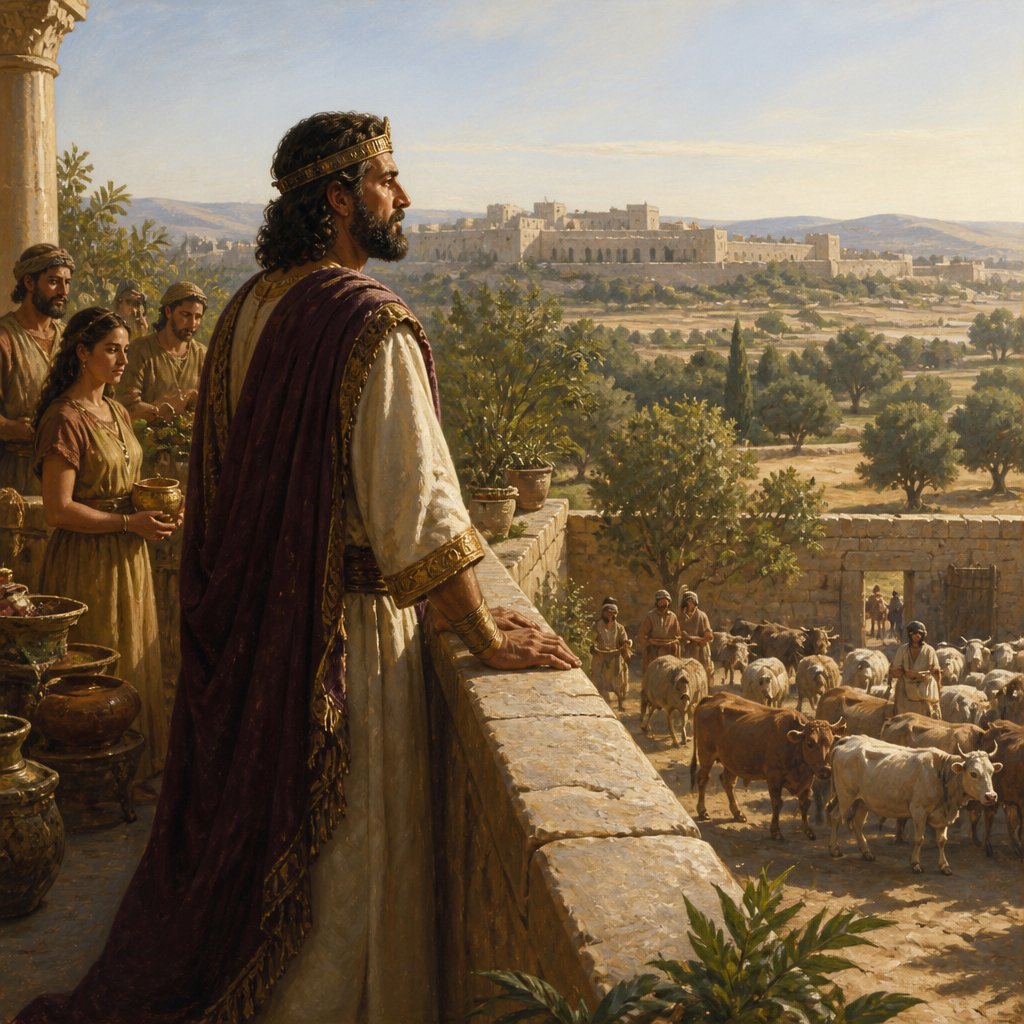
Ecclesiastes 2:7 in the King James Version (KJV) of the Bible states, "I got me servants and maidens, and had servants born in my house; also I had great possessions of great and small cattle above all that were in Jerusalem before me."
The book of Ecclesiastes is traditionally attributed to King Solomon and is a reflection on the meaning of life. In this verse, Solomon speaks of the material possessions and wealth that he had acquired. He had accumulated servants, including both men and women, as well as livestock, indicating his immense wealth and power.
The theme of wealth and material possessions is central to this verse. Solomon, who was known for his wisdom and wealth, had everything that one could desire in the world. He had servants to attend to his every need and abundant livestock to sustain him. However, despite his great wealth, Solomon laments in the book of Ecclesiastes that all these things are ultimately meaningless and do not bring true fulfillment or purpose in life.
The context of this verse is important for understanding Solomon's message in Ecclesiastes. At the beginning of the book, Solomon introduces himself as "the Preacher" and goes on to explore the futility of striving after worldly wisdom, pleasure, and possessions. He observes that all human toil and endeavor are ultimately vanity and meaningless, as they do not bring lasting satisfaction or contentment.
Solomon's reflection on his wealth and possessions serves as a warning to his readers about the dangers of placing one's hope and identity in material things. Despite having everything he could desire, Solomon found that these riches did not satisfy the deepest longings of his heart. This message is timeless and remains relevant today, as people continue to pursue wealth and possessions in the hope of finding fulfillment and happiness.
Symbolism plays a significant role in this verse as well. The servants and maidens represent the abundance of resources and luxury that Solomon had at his disposal. They symbolize the trappings of wealth and power that can easily ensnare individuals and keep them from seeking true meaning and purpose in life. The great and small cattle, on the other hand, represent the physical wealth that Solomon possessed. They symbolize the material possessions and assets that can easily become the focus of one's life, leading to a sense of emptiness and futility.
Ultimately, Ecclesiastes 2:7 reminds us of the importance of seeking purpose and meaning beyond the pursuit of material wealth and possessions. Solomon's reflection on his own experiences serves as a timeless lesson on the emptiness of worldly pursuits and the need to seek fulfillment in spiritual and eternal things. This verse challenges us to consider where we place our hope and identity, and to seek a deeper, more meaningful purpose for our lives.
Get our apps


Artwork for Ecclesiastes 2:7
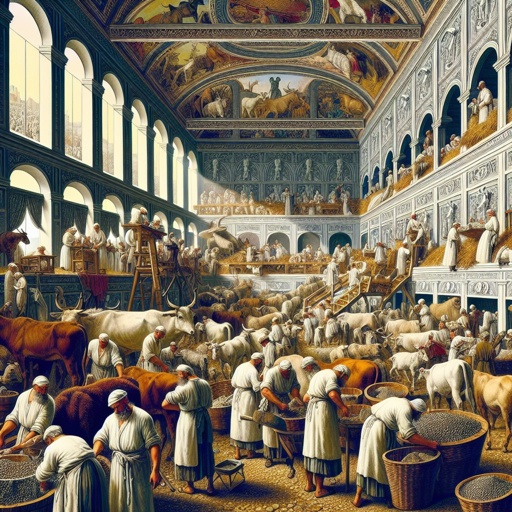
Ecclesiastes 2:7 - "I got me servants and maidens, and had servants born in my house; also I had great possessions of great and small cattle above all that were in Jerusalem before me:"
"I got me servants and maidens, and had servants born in my house; also I had great possessions of great and small cattle above all that were in Jerusalem before me:" - Ecclesiastes 2:7

Ecclesiastes 7:2 - "¶ It is better to go to the house of mourning, than to go to the house of feasting: for that is the end of all men; and the living will lay it to his heart."

Ecclesiastes 7:7 - "¶ Surely oppression maketh a wise man mad; and a gift destroyeth the heart."

Ecclesiastes 3:7-8

Ecclesiastes 7:11 - "¶ Wisdom is good with an inheritance: and by it there is profit to them that see the sun."

Ecclesiastes 4:7 - "Then I returned, and I saw vanity under the sun."

Ecclesiastes 7:9 - "Be not hasty in thy spirit to be angry: for anger resteth in the bosom of fools."

Ecclesiastes 6:7 - "All the labour of man is for his mouth, and yet the appetite is not filled."

Ecclesiastes 7:20 - "For there is not a just man upon earth, that doeth good, and sinneth not."

Ecclesiastes 7:3 - "Sorrow is better than laughter: for by the sadness of the countenance the heart is made better."

Ecclesiastes 11:7 - "¶ Truly the light is sweet, and a pleasant thing it is for the eyes to behold the sun:"

Ecclesiastes 7:4 - "The heart of the wise is in the house of mourning; but the heart of fools is in the house of mirth."

Ecclesiastes 8:7 - "For he knoweth not that which shall be: for who can tell him when it shall be?"

Ecclesiastes 5:7 - "For in the multitude of dreams and many words there are also divers vanities: but fear thou God."

Ecclesiastes 7:19 - "Wisdom strengtheneth the wise more than ten mighty men which are in the city."

Ecclesiastes 3:7 - "A time to rend, and a time to sew; a time to keep silence, and a time to speak;"

Ecclesiastes 7:24 - "That which is far off, and exceeding deep, who can find it out?"

Ecclesiastes 7:6 - "For as the crackling of thorns under a pot, so is the laughter of the fool: this also is vanity."

Ecclesiastes 7:5 - "It is better to hear the rebuke of the wise, than for a man to hear the song of fools."

Ecclesiastes 12:7 - "Then shall the dust return to the earth as it was: and the spirit shall return unto God who gave it."

Ecclesiastes 2:2 - "I said of laughter, It is mad: and of mirth, What doeth it?"

ecclesiastes 12:2-6

Ecclesiastes 7:23 - "¶ All this have I proved by wisdom: I said, I will be wise; but it was far from me."

Ecclesiastes 7:13 - "Consider the work of God: for who can make that straight, which he hath made crooked?"

Ecclesiastes 7:8 - "Better is the end of a thing than the beginning thereof: and the patient in spirit is better than the proud in spirit."

Ecclesiastes 7:1 - "A good name is better than precious ointment; and the day of death than the day of one's birth."

Ecclesiastes 10:7 - "I have seen servants upon horses, and princes walking as servants upon the earth."

Ecclesiastes 7:12 - "For wisdom is a defence, and money is a defence: but the excellency of knowledge is, that wisdom giveth life to them that have it."

"¶ Surely oppression maketh a wise man mad; and a gift destroyeth the heart." - Ecclesiastes 7:7