What does Ecclesiastes 3:19 mean?
"For that which befalleth the sons of men befalleth beasts; even one thing befalleth them: as the one dieth, so dieth the other; yea, they have all one breath; so that a man hath no preeminence above a beast: for all is vanity." - Ecclesiastes 3:19
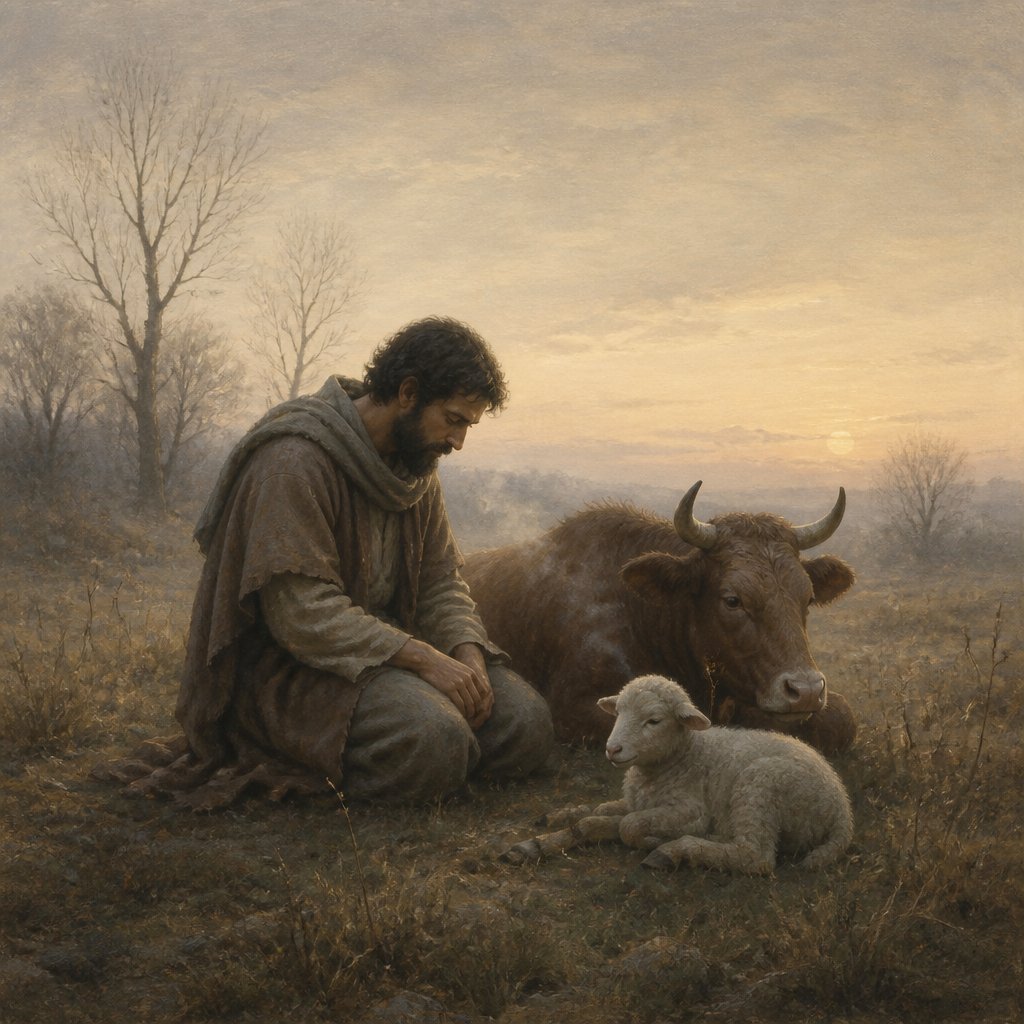
Ecclesiastes 3:19 states, "For that which befalleth the sons of men befalleth beasts; even one thing befalleth them: as the one dieth, so dieth the other; yea, they have all one breath; so that a man hath no preeminence above a beast: for all is vanity."
This verse comes from the book of Ecclesiastes, which is a philosophical and reflective book of the Bible. The author of Ecclesiastes is traditionally believed to be King Solomon, who is often associated with wisdom and deep insight. The book as a whole reflects on the nature of life, the pursuit of meaning, and the inevitability of death.
In this particular verse, the author is drawing a parallel between humans and animals, highlighting the common fate that befalls both. The verse is a poignant reminder of the transient nature of life and the universal experience of death. By emphasizing the shared mortality between humans and animals, the author challenges the notion of human superiority and preeminence.
The verse begins by stating, "For that which befalleth the sons of men befalleth beasts; even one thing befalleth them: as the one dieth, so dieth the other." This mirrors the sentiment expressed in the book of Job, "Man that is born of a woman is of few days and full of trouble. He cometh forth like a flower, and is cut down: he fleeth also as a shadow, and continueth not" (Job 14:1-2). Both passages underscore the common fate of humanity and all living creatures - death is inevitable. This acknowledgment of mortality serves as a humbling reminder of the finite nature of life.
The verse then goes on to say, "yea, they have all one breath; so that a man hath no preeminence above a beast: for all is vanity." Here, the author is highlighting the shared essence of life that animates both humans and animals. The word "breath" in this context is often interpreted as the vital force that sustains life. In acknowledging that humans and animals share this vital force, the verse challenges the notion of human superiority. This sentiment aligns with the broader theme of humility and the recognition of human limitations that permeates the book of Ecclesiastes.
The concluding phrase, "for all is vanity," serves as a thematic refrain that recurs throughout the book of Ecclesiastes. The word "vanity" in this context denotes the fleeting and ephemeral nature of life. The author uses this word to convey a sense of futility and impermanence, emphasizing the transient and ultimately unsatisfying nature of human existence. This theme of vanity is woven throughout the book to underscore the author's reflections on the pursuit of meaning and the inevitability of death. It serves as a sobering reminder of the limitations of human wisdom and the temporal nature of earthly pursuits.
In a broader context, this verse can also be seen as a reflection on the interconnectedness of all living beings and the shared experience of mortality. It invites contemplation on the relationship between humans and the natural world, highlighting the common threads that tie together all life forms. This interpretation aligns with the broader biblical theme of stewardship and care for the natural world, emphasizing the interconnectedness and shared destiny of all living creatures.
In conclusion, Ecclesiastes 3:19 offers a profound reflection on the universal experience of mortality and the shared essence of life that unites humans and animals. The verse serves as a poignant reminder of the transient nature of life and the limitations of human existence. It challenges notions of human superiority and preeminence, emphasizing the humbling reality of mortality. The recurring theme of vanity underscores the transient and ultimately unsatisfying nature of earthly pursuits. Ultimately, this verse invites contemplation on the interconnectedness of all living beings and the shared experience of mortality, serving as a sobering and profound reflection on the nature of life.
Have questions about Ecclesiastes 3:19?
Dive deeper into this scripture with Bible Chat — an AI-powered tool for exploring God's Word through conversation. Ask questions, get context, and grow in your understanding of the Bible.
Get Our Apps


Ecclesiastes 3:19 Artwork

Ecclesiastes 3:19 - "For that which befalleth the sons of men befalleth beasts; even one thing befalleth them: as the one dieth, so dieth the other; yea, they have all one breath; so that a man hath no preeminence above a beast: for all is vanity."
"For that which befalleth the sons of men befalleth beasts; even one thing befalleth them: as the one dieth, so dieth the other; yea, they have all one breath; so that a man hath no preeminence above a beast: for all is vanity." - Ecclesiastes 3:19

Ecclesiastes 3:1

Ecclesiastes 3:7-8

Ecclesiastes 3:3 - "A time to kill, and a time to heal; a time to break down, and a time to build up;"

Ecclesiastes 7:19 - "Wisdom strengtheneth the wise more than ten mighty men which are in the city."

Ecclesiastes 10:19 - "¶ A feast is made for laughter, and wine maketh merry: but money answereth all things."

Ecclesiastes 3:1 – "There is a time for everything, and a season for every activity under the heavens."

Ecclesiastes 3:9 - "What profit hath he that worketh in that wherein he laboureth?"

Ecclesiastes 3:1 - "To every thing there is a season, and a time to every purpose under the heaven:"

Ecclesiastes 3:4 - "A time to weep, and a time to laugh; a time to mourn, and a time to dance;"

Ecclesiastes 3:8 - "A time to love, and a time to hate; a time of war, and a time of peace."

Ecclesiastes 3:6 - "A time to get, and a time to lose; a time to keep, and a time to cast away;"

Ecclesiastes 7:3 - "Sorrow is better than laughter: for by the sadness of the countenance the heart is made better."

Ecclesiastes 3:7 - "A time to rend, and a time to sew; a time to keep silence, and a time to speak;"

Ecclesiastes 3:21 - "Who knoweth the spirit of man that goeth upward, and the spirit of the beast that goeth downward to the earth?"

Ecclesiastes 3:2 - "A time to be born, and a time to die; a time to plant, and a time to pluck up that which is planted;"

Ecclesiastes 3:16 - "¶ And moreover I saw under the sun the place of judgment, that wickedness was there; and the place of righteousness, that iniquity was there."

Ecclesiastes 3:20 - "All go unto one place; all are of the dust, and all turn to dust again."

Ecclesiastes 3:12 - "I know that there is no good in them, but for a man to rejoice, and to do good in his life."

Ecclesiastes 5:3 - "For a dream cometh through the multitude of business; and a fool's voice is known by multitude of words."

Ecclesiastes 1:3 - "What profit hath a man of all his labour which he taketh under the sun?"

Ecclesiastes 3:15 - "That which hath been is now; and that which is to be hath already been; and God requireth that which is past."

Ecclesiastes 3:10 - "I have seen the travail, which God hath given to the sons of men to be exercised in it."

Ecclesiastes 3:13 - "And also that every man should eat and drink, and enjoy the good of all his labour, it is the gift of God."

Ecclesiastes 3:1 – "There is a time for everything, and a season for every activity under the heavens." r

Ecclesiastes 3:17 - "I said in mine heart, God shall judge the righteous and the wicked: for there is a time there for every purpose and for every work."

Ecclesiastes 3:5 - "A time to cast away stones, and a time to gather stones together; a time to embrace, and a time to refrain from embracing;"

Ecclesiastes 8:3 - "Be not hasty to go out of his sight: stand not in an evil thing; for he doeth whatsoever pleaseth him."
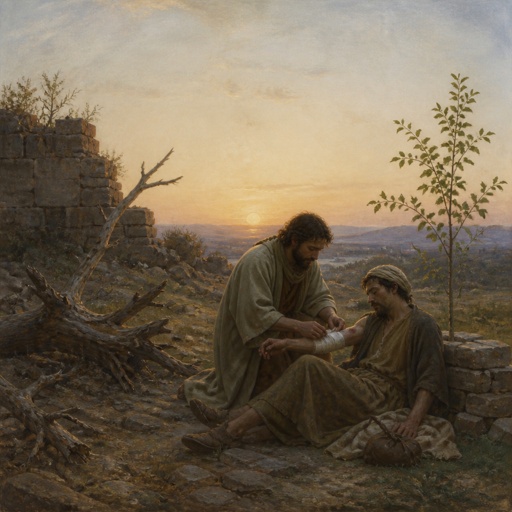
"A time to kill, and a time to heal; a time to break down, and a time to build up;" - Ecclesiastes 3:3