What does Ecclesiastes 4:10 mean?
"For if they fall, the one will lift up his fellow: but woe to him that is alone when he falleth; for he hath not another to help him up." - Ecclesiastes 4:10

Ecclesiastes 4:10 (KJV) states, "For if they fall, the one will lift up his fellow: but woe to him that is alone when he falleth; for he hath not another to help him up." This verse is a part of the book of Ecclesiastes, which is traditionally attributed to King Solomon. The book is a meditation on the meaning of life, the nature of existence, and the quest for wisdom. In this particular verse, the author reflects on the importance of human relationships and the value of companionship.
The theme of companionship and the importance of relationships is central to this verse. The author acknowledges the hardships and challenges of life, and he emphasizes the need for mutual support and assistance. The phrase "the one will lift up his fellow" illustrates the idea of one person helping another in times of need. This sense of solidarity and mutual support is seen as crucial in facing the difficulties and trials of life.
The verse also contains a warning: "but woe to him that is alone when he falleth; for he hath not another to help him up." Here, the author emphasizes the sorrow and lamentable state of someone who lacks companionship and support. The sense of isolation and helplessness is depicted as a tragic fate. The author seems to suggest that being alone in times of trouble can exacerbate the suffering and make it more difficult to overcome.
The context of this verse is rooted in the ancient Israelite society in which community and social bonds were highly valued. In the culture of the time, people relied on one another for various aspects of life, including emotional support, financial assistance, and physical help. The concept of individualism was not as prominent as it is in modern society, and the wellbeing of the community as a whole was prioritized.
Symbolically, this verse can be interpreted as an allegory for the human condition. It speaks to the universal need for human connection and the inherent vulnerability of individuals. The image of falling and being lifted up can be understood as a metaphor for the trials and tribulations of life, and the role of companionship in helping one endure and overcome hardships.
On a deeper level, this verse can also be seen as highlighting the significance of empathy, compassion, and altruism. The act of lifting up one's fellow conveys a sense of empathy and willingness to extend a helping hand to those in need. It underscores the idea that human beings have a responsibility to care for and support one another, and that doing so enhances the fabric of society.
In a spiritual context, this verse may also carry a message about the role of faith community and the support of a spiritual community. Many religious traditions emphasize the importance of fellowship and communal worship, and the verse can be interpreted as urging believers to seek solace and strength in the company of fellow believers.
In conclusion, Ecclesiastes 4:10 (KJV) captures the timeless wisdom of the ancients in acknowledging the essential nature of companionship, mutual support, and the interdependence of human beings. It is a poignant reminder of the value of relationships and the power of empathy and compassion in navigating the challenges of life. This verse continues to resonate as a timeless and universal truth, transcending the boundaries of time, culture, and belief.
Have questions about Ecclesiastes 4:10?
Dive deeper into this scripture with Bible Chat — an AI-powered tool for exploring God's Word through conversation. Ask questions, get context, and grow in your understanding of the Bible.
Get Our Apps


Ecclesiastes 4:10 Artwork

Ecclesiastes 4:10 - "For if they fall, the one will lift up his fellow: but woe to him that is alone when he falleth; for he hath not another to help him up."

"For if they fall, the one will lift up his fellow: but woe to him that is alone when he falleth; for he hath not another to help him up." - Ecclesiastes 4:10

Ecclesiastes 10:4 - "If the spirit of the ruler rise up against thee, leave not thy place; for yielding pacifieth great offences."

"Two are better than one, because they have a good return for their labor: If either of them falls down, one can help the other up. But pity anyone who falls and has no one to help them up." - Ecclesiastes 4:9-10

Ecclesiastes 4:9-10 - "Two are better than one, because they have a good return for their labor: If either of them falls down, one can help the other up. But pity anyone who falls and has no one to help them up."
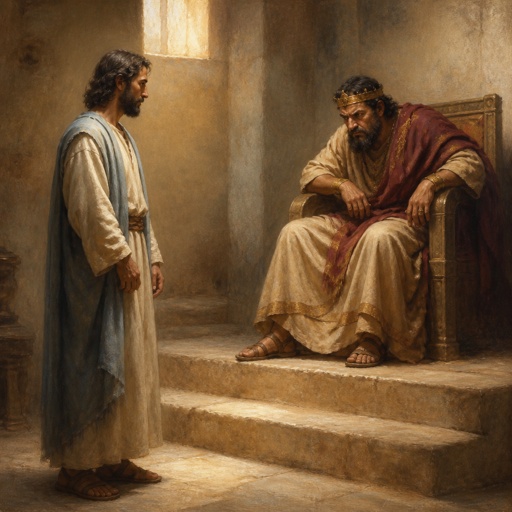
"If the spirit of the ruler rise up against thee, leave not thy place; for yielding pacifieth great offences." - Ecclesiastes 10:4

Ecclesiastes 10:10 - "If the iron be blunt, and he do not whet the edge, then must he put to more strength: but wisdom is profitable to direct."

Ecclesiastes 10:6 - "Folly is set in great dignity, and the rich sit in low place."

Ecclesiastes 10:11 - "Surely the serpent will bite without enchantment; and a babbler is no better."

Ecclesiastes 4:7 - "Then I returned, and I saw vanity under the sun."

Ecclesiastes 10:18 - "¶ By much slothfulness the building decayeth; and through idleness of the hands the house droppeth through."

Ecclesiastes 10:19 - "¶ A feast is made for laughter, and wine maketh merry: but money answereth all things."

Ecclesiastes 3:4 - "A time to weep, and a time to laugh; a time to mourn, and a time to dance;"

Ecclesiastes 4:4 - "¶ Again, I considered all travail, and every right work, that for this a man is envied of his neighbour. This is also vanity and vexation of spirit."

Ecclesiastes 10:12 - "The words of a wise man's mouth are gracious; but the lips of a fool will swallow up himself."

Ecclesiastes 10:13 - "The beginning of the words of his mouth is foolishness: and the end of his talk is mischievous madness."

Ecclesiastes 10:2 - "A wise man's heart is at his right hand; but a fool's heart at his left."

Ecclesiastes 7:4 - "The heart of the wise is in the house of mourning; but the heart of fools is in the house of mirth."

Ecclesiastes 4:5 - "The fool foldeth his hands together, and eateth his own flesh."

Ecclesiastes 10:5 - "There is an evil which I have seen under the sun, as an error which proceedeth from the ruler:"

Ecclesiastes 12:10 - "The preacher sought to find out acceptable words: and that which was written was upright, even words of truth."

Ecclesiastes 10:15 - "The labour of the foolish wearieth every one of them, because he knoweth not how to go to the city."

Ecclesiastes 10:7 - "I have seen servants upon horses, and princes walking as servants upon the earth."

Ecclesiastes 3:10 - "I have seen the travail, which God hath given to the sons of men to be exercised in it."

Ecclesiastes 4:9 - "¶ Two are better than one; because they have a good reward for their labour."

Ecclesiastes 6:4 - "For he cometh in with vanity, and departeth in darkness, and his name shall be covered with darkness."

Ecclesiastes 1:4 - "One generation passeth away, and another generation cometh: but the earth abideth for ever."

Ecclesiastes 5:10 - "He that loveth silver shall not be satisfied with silver; nor he that loveth abundance with increase: this is also vanity."

Ecclesiastes 10:16 - "¶ Woe to thee, O land, when thy king is a child, and thy princes eat in the morning!"

Ecclesiastes 10:8 - "He that diggeth a pit shall fall into it; and whoso breaketh an hedge, a serpent shall bite him."