What does Ecclesiastes 5:16 mean?
“And this also is a sore evil, that in all points as he came, so shall he go: and what profit hath he that hath laboured for the wind?” — Ecclesiastes 5:16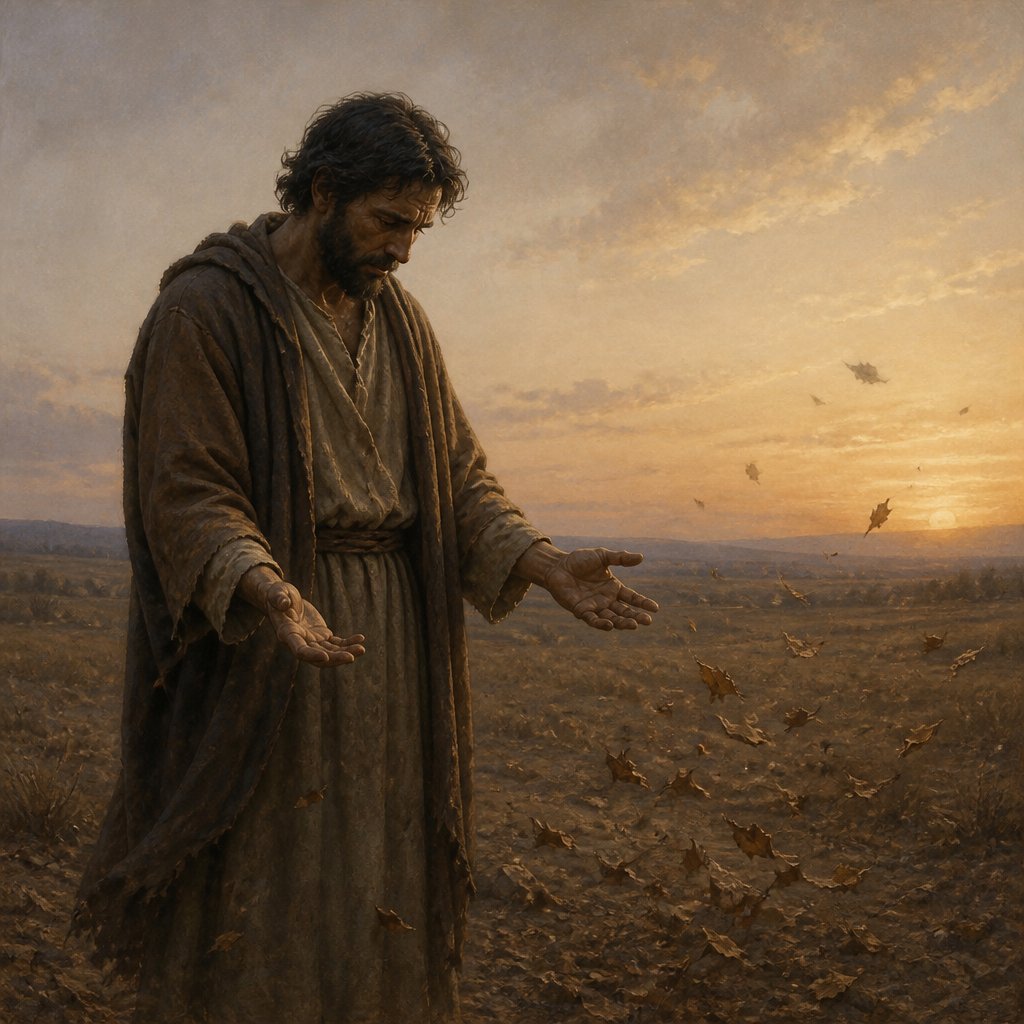
Ecclesiastes 5:16 in the King James Version reads, "And this also is a sore evil, that in all points as he came, so shall he go: and what profit hath he that hath laboured for the wind?"
In order to understand the meaning and significance of this verse, it is important to consider the broader context of the book of Ecclesiastes. The author of Ecclesiastes, believed to be King Solomon, reflects on the fleeting nature of life and the pursuit of worldly pleasures. Throughout the book, he repeatedly emphasizes the emptiness and vanity of human endeavors and possessions in the face of mortality. In the preceding verses, Solomon discusses the futility of amassing wealth and possessions, echoing the sentiment that earthly treasures are ultimately of little value in the grand scheme of things.
The specific verse, Ecclesiastes 5:16, speaks to the inevitability of death and the ultimate futility of laboring for earthly gain. Solomon laments the fact that no matter how hard one works or how much one accumulates in this life, they will ultimately leave this world just as they entered it, with nothing. The phrase "what profit hath he that hath labored for the wind?" vividly illustrates the insignificance of pursuing material wealth and worldly pleasures. Just as one cannot grasp the wind or hold it in their hand, so too is the pursuit of material gain ultimately fruitless and transient.
This verse also speaks to the broader theme of mortality and the transient nature of human existence, which is a prevalent theme throughout the book of Ecclesiastes. Solomon grapples with the idea that all human endeavors are ultimately fleeting and insignificant in the face of the inevitability of death. This verse serves as a poignant reminder of the impermanence of earthly pursuits and the limited value of material possessions in the grand scheme of life.
In addition to its overarching themes, this verse also symbolizes the broader spiritual truth that there is greater value in pursuing eternal and spiritual treasures rather than temporal and material ones. It serves as a cautionary reminder to prioritize spiritual fulfillment and the pursuit of righteousness, as these are the true sources of lasting fulfillment and meaning in life.
Overall, Ecclesiastes 5:16 offers a sobering perspective on the futility of pursuing worldly gain and the ultimate insignificance of material possessions in the face of mortal existence. Its message serves as a profound reflection on the transient nature of human life and the importance of prioritizing spiritual fulfillment over worldly pursuits. Ultimately, this verse encourages readers to seek lasting and eternal treasures rather than transient and empty pursuits.
Get our apps


Artwork for Ecclesiastes 5:16

Ecclesiastes 5:16 - "And this also is a sore evil, that in all points as he came, so shall he go: and what profit hath he that hath laboured for the wind?"
"And this also is a sore evil, that in all points as he came, so shall he go: and what profit hath he that hath laboured for the wind?" - Ecclesiastes 5:16

Ecclesiastes 5:5 - "Better is it that thou shouldest not vow, than that thou shouldest vow and not pay."

Ecclesiastes 3:16 - "¶ And moreover I saw under the sun the place of judgment, that wickedness was there; and the place of righteousness, that iniquity was there."

Ecclesiastes 5:9 - "¶ Moreover the profit of the earth is for all: the king himself is served by the field."

Ecclesiastes 4:5 - "The fool foldeth his hands together, and eateth his own flesh."

Ecclesiastes 10:16 - "¶ Woe to thee, O land, when thy king is a child, and thy princes eat in the morning!"

Ecclesiastes 7:5 - "It is better to hear the rebuke of the wise, than for a man to hear the song of fools."

Ecclesiastes 5:7 - "For in the multitude of dreams and many words there are also divers vanities: but fear thou God."

Ecclesiastes 7:16 - "Be not righteous over much; neither make thyself over wise: why shouldest thou destroy thyself?"

Ecclesiastes 5:3 - "For a dream cometh through the multitude of business; and a fool's voice is known by multitude of words."

Ecclesiastes 9:16 - "Then said I, Wisdom is better than strength: nevertheless the poor man's wisdom is despised, and his words are not heard."

Ecclesiastes 5:14 - "But those riches perish by evil travail: and he begetteth a son, and there is nothing in his hand."

Ecclesiastes 10:5 - "There is an evil which I have seen under the sun, as an error which proceedeth from the ruler:"

Ecclesiastes 2:5 - "I made me gardens and orchards, and I planted trees in them of all kind of fruits:"

"Better is it that thou shouldest not vow, than that thou shouldest vow and not pay." - Ecclesiastes 5:5

Ecclesiastes 1:5 - "The sun also ariseth, and the sun goeth down, and hasteth to his place where he arose."

Ecclesiastes 5:10 - "He that loveth silver shall not be satisfied with silver; nor he that loveth abundance with increase: this is also vanity."

Ecclesiastes 5:13 - "There is a sore evil which I have seen under the sun, namely, riches kept for the owners thereof to their hurt."

Ecclesiastes 5:17 - "All his days also he eateth in darkness, and he hath much sorrow and wrath with his sickness."

Ecclesiastes 5:11 - "When goods increase, they are increased that eat them: and what good is there to the owners thereof, saving the beholding of them with their eyes?"

Ecclesiastes 3:5 - "A time to cast away stones, and a time to gather stones together; a time to embrace, and a time to refrain from embracing;"

Ecclesiastes 8:5 - "Whoso keepeth the commandment shall feel no evil thing: and a wise man's heart discerneth both time and judgment."

Ecclesiastes 5:20 - "For he shall not much remember the days of his life; because God answereth him in the joy of his heart."

Ecclesiastes 6:5 - "Moreover he hath not seen the sun, nor known any thing: this hath more rest than the other."

Ecclesiastes 5:12 - "The sleep of a labouring man is sweet, whether he eat little or much: but the abundance of the rich will not suffer him to sleep."

Ecclesiastes 2:16 - "For there is no remembrance of the wise more than of the fool for ever; seeing that which now is in the days to come shall all be forgotten. And how dieth the wise man? as the fool."

Ecclesiastes 9:5 - "For the living know that they shall die: but the dead know not any thing, neither have they any more a reward; for the memory of them is forgotten."

Ecclesiastes 4:16 - "There is no end of all the people, even of all that have been before them: they also that come after shall not rejoice in him. Surely this also is vanity and vexation of spirit."

Ecclesiastes 5:1 - "Keep thy foot when thou goest to the house of God, and be more ready to hear, than to give the sacrifice of fools: for they consider not that they do evil."