What does Ecclesiastes 5:19 mean?
"Every man also to whom God hath given riches and wealth, and hath given him power to eat thereof, and to take his portion, and to rejoice in his labour; this is the gift of God." - Ecclesiastes 5:19
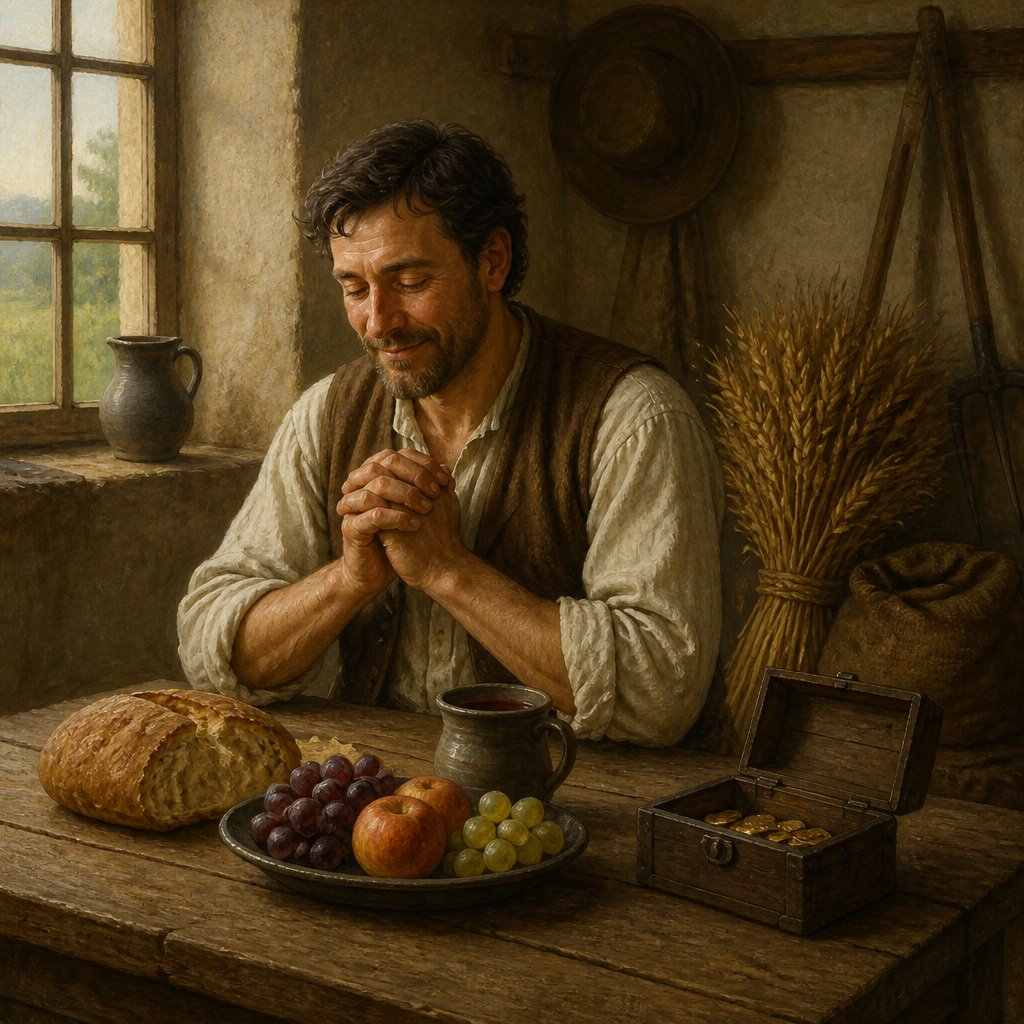
Ecclesiastes 5:19, from the King James Version of the Bible, reads, "Every man also to whom God hath given riches and wealth, and hath given him power to eat thereof, and to take his portion, and to rejoice in his labour; this is the gift of God."
The book of Ecclesiastes is traditionally attributed to King Solomon, known as one of the wisest and wealthiest kings to have ever lived. Throughout the book, Solomon reflects on the futility and impermanence of life, and seeks to find meaning and satisfaction in the world's transient nature. In this particular verse, Solomon acknowledges that wealth and material possessions are gifts from God, but also emphasizes the importance of enjoying these blessings in moderation and with gratitude.
The verse begins by acknowledging that God is the ultimate source of wealth and riches. This serves as a reminder that, ultimately, all material blessings come from God, and are to be received and managed with a spirit of stewardship and thankfulness. This idea is echoed in the New Testament, in James 1:17, which states, "Every good and perfect gift is from above, coming down from the Father of the heavenly lights, who does not change like shifting shadows."
Solomon goes on to highlight God's enablement for individuals to "eat thereof" and "take his portion," indicating that it is God who provides the means for people to enjoy the fruits of their labor. This underscores the idea of God's provision and his desire for his people to experience joy and satisfaction in their work and in the material blessings they receive. It also serves as a reminder that wealth and possessions, while ultimately from God, are to be managed and enjoyed responsibly and gratefully.
Furthermore, the verse emphasizes the importance of finding joy and fulfillment in one's labor. This serves as a contrast to the broader themes in Ecclesiastes, where Solomon often laments the fleeting nature of life and the vanity of human pursuits. Here, he acknowledges that the ability to work and enjoy the fruits of that labor is a gift from God, and thus holds inherent value and purpose.
The verse also touches on the concept of contentment, as it suggests that God has given individuals the power and ability to be satisfied with their portion. This echoes the sentiment expressed by the apostle Paul in his letter to the Philippians, where he writes, "I have learned to be content whatever the circumstances" (Philippians 4:11). Both Solomon and Paul emphasize the idea that true satisfaction and contentment come from a recognition of God's provision and a spirit of gratitude, rather than the accumulation of wealth or possessions.
In terms of symbolism, the verse can be seen as a reflection of the broader biblical theme of stewardship and the proper use of God's gifts. It serves as a reminder that wealth and material blessings are ultimately from God, and that individuals are called to manage and enjoy these gifts in a way that honors him. Additionally, it emphasizes the importance of finding joy and contentment in one's work and possessions, rather than placing one's identity or satisfaction in material wealth.
Overall, Ecclesiastes 5:19 offers a nuanced perspective on the nature of wealth and material blessings, highlighting the importance of recognizing God as the ultimate source of these gifts and approaching them with a spirit of gratitude, moderation, and contentment. It encourages individuals to find joy in their labor and to see their material blessings as a means of experiencing God's provision and goodness.
Have questions about Ecclesiastes 5:19?
Dive deeper into this scripture with Bible Chat — an AI-powered tool for exploring God's Word through conversation. Ask questions, get context, and grow in your understanding of the Bible.
Get Our Apps


Ecclesiastes 5:19 Artwork

Ecclesiastes 5:19 - "Every man also to whom God hath given riches and wealth, and hath given him power to eat thereof, and to take his portion, and to rejoice in his labour; this is the gift of God."
"Every man also to whom God hath given riches and wealth, and hath given him power to eat thereof, and to take his portion, and to rejoice in his labour; this is the gift of God." - Ecclesiastes 5:19

Ecclesiastes 5:5 - "Better is it that thou shouldest not vow, than that thou shouldest vow and not pay."

Ecclesiastes 10:19 - "¶ A feast is made for laughter, and wine maketh merry: but money answereth all things."

Ecclesiastes 7:19 - "Wisdom strengtheneth the wise more than ten mighty men which are in the city."

Ecclesiastes 5:9 - "¶ Moreover the profit of the earth is for all: the king himself is served by the field."

Ecclesiastes 4:5 - "The fool foldeth his hands together, and eateth his own flesh."

Ecclesiastes 7:5 - "It is better to hear the rebuke of the wise, than for a man to hear the song of fools."

Ecclesiastes 5:7 - "For in the multitude of dreams and many words there are also divers vanities: but fear thou God."

Ecclesiastes 5:3 - "For a dream cometh through the multitude of business; and a fool's voice is known by multitude of words."

Ecclesiastes 5:14 - "But those riches perish by evil travail: and he begetteth a son, and there is nothing in his hand."

Ecclesiastes 10:5 - "There is an evil which I have seen under the sun, as an error which proceedeth from the ruler:"

Ecclesiastes 2:5 - "I made me gardens and orchards, and I planted trees in them of all kind of fruits:"

"Better is it that thou shouldest not vow, than that thou shouldest vow and not pay." - Ecclesiastes 5:5

Ecclesiastes 1:5 - "The sun also ariseth, and the sun goeth down, and hasteth to his place where he arose."

Ecclesiastes 5:10 - "He that loveth silver shall not be satisfied with silver; nor he that loveth abundance with increase: this is also vanity."

Ecclesiastes 5:13 - "There is a sore evil which I have seen under the sun, namely, riches kept for the owners thereof to their hurt."

Ecclesiastes 5:11 - "When goods increase, they are increased that eat them: and what good is there to the owners thereof, saving the beholding of them with their eyes?"

Ecclesiastes 5:17 - "All his days also he eateth in darkness, and he hath much sorrow and wrath with his sickness."

Ecclesiastes 8:5 - "Whoso keepeth the commandment shall feel no evil thing: and a wise man's heart discerneth both time and judgment."

Ecclesiastes 3:5 - "A time to cast away stones, and a time to gather stones together; a time to embrace, and a time to refrain from embracing;"

Ecclesiastes 5:20 - "For he shall not much remember the days of his life; because God answereth him in the joy of his heart."

Ecclesiastes 6:5 - "Moreover he hath not seen the sun, nor known any thing: this hath more rest than the other."

Ecclesiastes 5:12 - "The sleep of a labouring man is sweet, whether he eat little or much: but the abundance of the rich will not suffer him to sleep."

Ecclesiastes 9:5 - "For the living know that they shall die: but the dead know not any thing, neither have they any more a reward; for the memory of them is forgotten."

Ecclesiastes 5:4 - "When thou vowest a vow unto God, defer not to pay it; for he hath no pleasure in fools: pay that which thou hast vowed."

Ecclesiastes 5:1 - "Keep thy foot when thou goest to the house of God, and be more ready to hear, than to give the sacrifice of fools: for they consider not that they do evil."
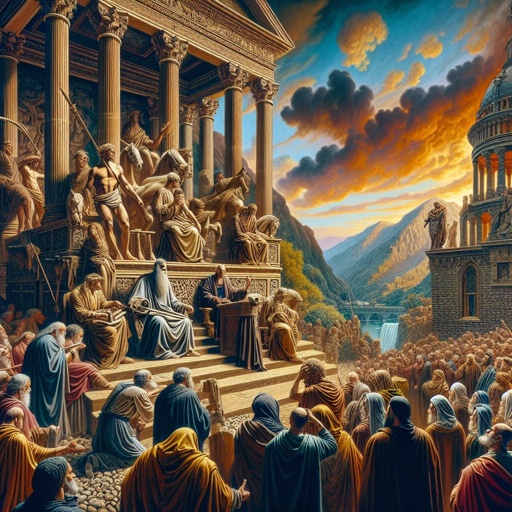
Ecclesiastes 5:8 - "¶ If thou seest the oppression of the poor, and violent perverting of judgment and justice in a province, marvel not at the matter: for he that is higher than the highest regardeth; and there be higher than they."

"Wisdom strengtheneth the wise more than ten mighty men which are in the city." - Ecclesiastes 7:19
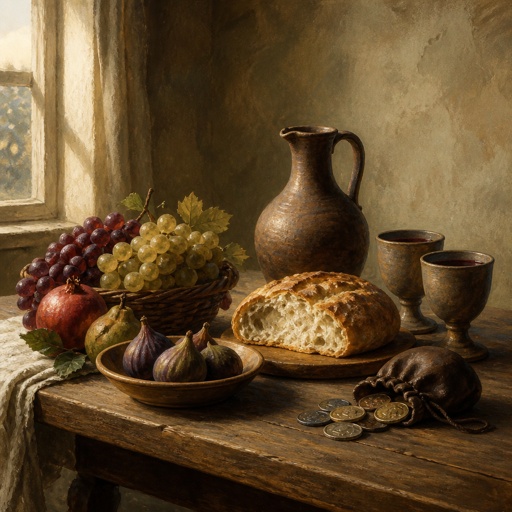
"¶ A feast is made for laughter, and wine maketh merry: but money answereth all things." - Ecclesiastes 10:19