What does Ecclesiastes 6:5 mean?
“Moreover he hath not seen the sun, nor known any thing: this hath more rest than the other.” — Ecclesiastes 6:5
"Moreover he hath not seen the sun, nor known any thing: this hath more rest than the other."
In Ecclesiastes 6:5, the writer addresses the futility and meaninglessness of life, particularly in the context of living a life of toil and not being able to enjoy its fruits. The verse describes a man who has not experienced the sun or known anything, yet he is said to have more rest than the other.
The book of Ecclesiastes is often attributed to King Solomon, who is believed to have penned it during a time of reflection on the value and purpose of life. The verses in this book grapple with the existential questions of human existence and the pursuit of meaning and fulfillment. In Ecclesiastes 6:5, the writer is emphasizing the elusive and fleeting nature of human labor and the ultimate futility of toiling without being able to find rest and satisfaction.
The image of a person who has not seen the sun or known anything is a metaphor for a life devoid of joy, fulfillment, and experience. It represents a life of drudgery and emptiness, where one is caught in a cycle of labor without being able to savor the fruits of their labor. This is contrasted with the idea of having rest, which suggests a state of contentment, peace, and satisfaction. The implication is that even a life of minimal experience and knowledge can be more fulfilling if it is characterized by rest and contentment, rather than relentless toil and labor.
The verse can be interpreted to convey the message that the pursuit of material wealth, success, and accumulation of knowledge can lead to a sense of restlessness and dissatisfaction. In the quest for more, one may become ensnared in a cycle of work and busyness, neglecting the simple joys of life and missing out on experiencing true rest and contentment. It reflects the sentiment that the relentless pursuit of worldly accomplishments can be ultimately hollow and unfulfilling, leaving one feeling empty and devoid of true peace.
The verse also touches on the theme of the paradox of wealth and poverty. It suggests that even a person who has not experienced the luxuries of life can find rest and contentment, while the pursuit of wealth and knowledge often leads to a lack of satisfaction and peace. This theme is consistent with the broader message of Ecclesiastes, which emphasizes the transient nature of earthly possessions and the ultimate emptiness of pursuing worldly riches.
From a spiritual standpoint, the verse encourages a reevaluation of priorities and a shift in focus from the temporal to the eternal. It urges readers to seek contentment and rest in God, rather than in the fleeting pleasures and pursuits of the world. It echoes the sentiment expressed in Matthew 6:19-21, which cautions against laying up treasures on earth, but rather laying up treasures in heaven where moth and rust do not destroy.
In conclusion, Ecclesiastes 6:5 offers a profound reflection on the nature of human existence and the pursuit of meaning and fulfillment. It serves as a cautionary tale against the relentless pursuit of worldly accomplishments and the neglect of rest and contentment. The verse encourages a reorientation towards seeking true rest and satisfaction in God, rather than in the transient and empty pursuits of the world. It is a timeless reminder to seek fulfillment in the eternal rather than the temporal, and to find rest in the midst of life's toil and labor.
Get our apps


Artwork for Ecclesiastes 6:5

Ecclesiastes 6:5 - "Moreover he hath not seen the sun, nor known any thing: this hath more rest than the other."
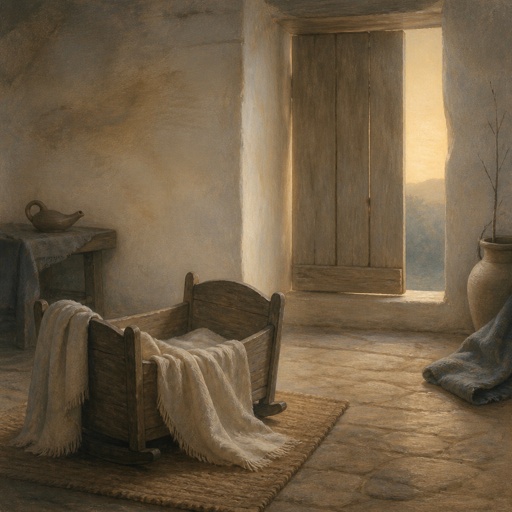
"Moreover he hath not seen the sun, nor known any thing: this hath more rest than the other." - Ecclesiastes 6:5

Ecclesiastes 5:6 - "Suffer not thy mouth to cause thy flesh to sin; neither say thou before the angel, that it was an error: wherefore should God be angry at thy voice, and destroy the work of thine hands?"

Ecclesiastes 5:5 - "Better is it that thou shouldest not vow, than that thou shouldest vow and not pay."

ecclesiastes 12:2-6

Ecclesiastes 10:6 - "Folly is set in great dignity, and the rich sit in low place."

Ecclesiastes 6:7 - "All the labour of man is for his mouth, and yet the appetite is not filled."

Ecclesiastes 5:9 - "¶ Moreover the profit of the earth is for all: the king himself is served by the field."

Ecclesiastes 4:5 - "The fool foldeth his hands together, and eateth his own flesh."

Ecclesiastes 3:6 - "A time to get, and a time to lose; a time to keep, and a time to cast away;"

Ecclesiastes 6:11 - "¶ Seeing there be many things that increase vanity, what is man the better?"

Ecclesiastes 7:5 - "It is better to hear the rebuke of the wise, than for a man to hear the song of fools."

Ecclesiastes 5:7 - "For in the multitude of dreams and many words there are also divers vanities: but fear thou God."

Ecclesiastes 6:9 - "¶ Better is the sight of the eyes than the wandering of the desire: this is also vanity and vexation of spirit."

Ecclesiastes 6:1 - "There is an evil which I have seen under the sun, and it is common among men:"

Ecclesiastes 6:4 - "For he cometh in with vanity, and departeth in darkness, and his name shall be covered with darkness."

Ecclesiastes 7:6 - "For as the crackling of thorns under a pot, so is the laughter of the fool: this also is vanity."

Ecclesiastes 5:3 - "For a dream cometh through the multitude of business; and a fool's voice is known by multitude of words."

Ecclesiastes 8:6 - "¶ Because to every purpose there is time and judgment, therefore the misery of man is great upon him."

Ecclesiastes 4:6 - "Better is an handful with quietness, than both the hands full with travail and vexation of spirit."

Ecclesiastes 6:6 - "¶ Yea, though he live a thousand years twice told, yet hath he seen no good: do not all go to one place?"

Ecclesiastes 5:14 - "But those riches perish by evil travail: and he begetteth a son, and there is nothing in his hand."

Ecclesiastes 10:5 - "There is an evil which I have seen under the sun, as an error which proceedeth from the ruler:"

Ecclesiastes 2:5 - "I made me gardens and orchards, and I planted trees in them of all kind of fruits:"

Ecclesiastes 2:6 - "I made me pools of water, to water therewith the wood that bringeth forth trees:"

"Better is it that thou shouldest not vow, than that thou shouldest vow and not pay." - Ecclesiastes 5:5

Ecclesiastes 1:5 - "The sun also ariseth, and the sun goeth down, and hasteth to his place where he arose."

Ecclesiastes 5:10 - "He that loveth silver shall not be satisfied with silver; nor he that loveth abundance with increase: this is also vanity."

Ecclesiastes 5:13 - "There is a sore evil which I have seen under the sun, namely, riches kept for the owners thereof to their hurt."

Ecclesiastes 5:17 - "All his days also he eateth in darkness, and he hath much sorrow and wrath with his sickness."