What does Ecclesiastes 6:9 mean?
“Better is the sight of the eyes than the wandering of the desire: this is also vanity and vexation of spirit.” — Ecclesiastes 6:9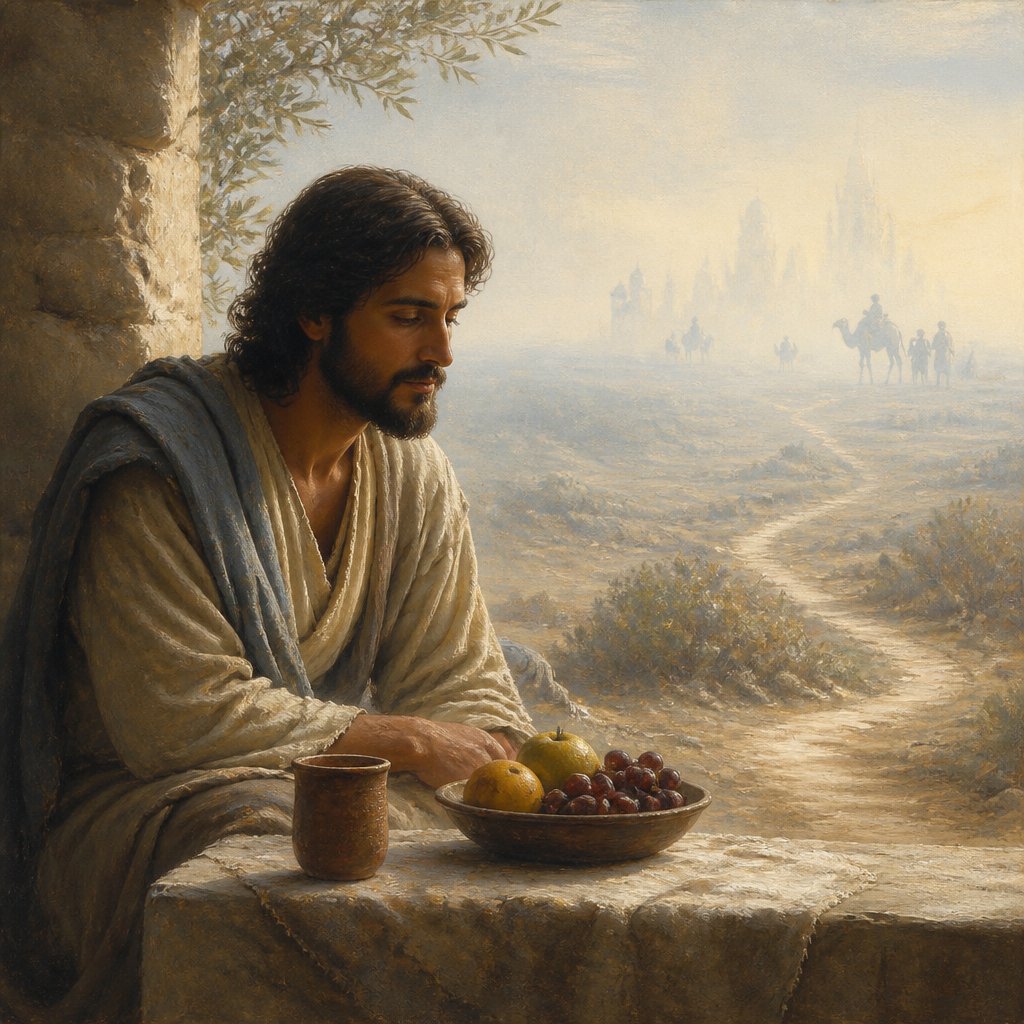
Ecclesiastes 6:9 in the King James Version reads, "Better is the sight of the eyes than the wandering of the desire: this is also vanity and vexation of spirit."
The book of Ecclesiastes is traditionally ascribed to King Solomon, who was known for his wisdom. In this book, he addresses the pursuit of happiness and the meaning of life. This particular verse serves as a caution against the endless pursuit of desires and the dissatisfaction that comes from it.
The verse starts by contrasting two things: "the sight of the eyes" and "the wandering of the desire." "The sight of the eyes" refers to what one can physically see and experience, while "the wandering of the desire" refers to the endless pursuit of desires that can never be satisfied. The author is highlighting the value of what is tangible and real versus the empty chasing after unattainable desires.
Solomon suggests that it is better to appreciate and be content with what one has rather than constantly chasing after things that are out of reach. This speaks to the idea of gratitude and finding contentment in the present rather than always yearning for more.
The verse also alludes to the futility and emptiness of pursuing desires that can never be satisfied. The phrase "this is also vanity and vexation of spirit" emphasizes the fleeting and unsatisfactory nature of the pursuit of worldly desires. The pursuit of these desires leads to frustration and discontentment, echoing the overarching theme of Ecclesiastes, which is the vanity and meaningless of life under the sun.
The concept of vanity, or meaninglessness, is a recurring theme in Ecclesiastes. Solomon often speaks of the futility of human efforts and the temporary nature of worldly pursuits. This verse is a warning against becoming consumed by our desires and losing sight of what truly matters.
Another prominent theme in Ecclesiastes is the importance of seeking wisdom and finding satisfaction in God rather than earthly pursuits. Solomon's pursuit of fulfillment and purpose ultimately led him to conclude that fearing God and following His commandments brings true meaning and satisfaction in life.
Furthermore, the verse can be understood as a commentary on the human condition. The constant pursuit of desires and the resulting dissatisfaction is a common experience for many people. Solomon's wisdom in highlighting this aspect of human nature is a reminder to readers to seek fulfillment in things that are lasting and meaningful, rather than in fleeting and temporary pleasures.
In terms of symbolism, "the sight of the eyes" can be seen as representing the tangible and material aspects of life, while "the wandering of the desire" represents the intangible and insatiable nature of human desires. The contrast between these two symbols serves to emphasize the message of the verse: finding contentment in what is tangible and real rather than chasing after unattainable desires.
In conclusion, Ecclesiastes 6:9 serves as a profound commentary on the human condition, the pursuit of desires, and the futility of worldly pursuits. It urges readers to find contentment in the present and to seek fulfillment in things that are lasting and meaningful. This verse is a powerful reminder to prioritize what truly matters in life and to find satisfaction in God rather than in the endless pursuit of unattainable desires.
Get our apps


Artwork for Ecclesiastes 6:9

Ecclesiastes 6:9 - "¶ Better is the sight of the eyes than the wandering of the desire: this is also vanity and vexation of spirit."
"¶ Better is the sight of the eyes than the wandering of the desire: this is also vanity and vexation of spirit." - Ecclesiastes 6:9

Ecclesiastes 9:6 - "Also their love, and their hatred, and their envy, is now perished; neither have they any more a portion for ever in any thing that is done under the sun."

ecclesiastes 12:2-6

Ecclesiastes 3:9 - "What profit hath he that worketh in that wherein he laboureth?"

Ecclesiastes 7:9 - "Be not hasty in thy spirit to be angry: for anger resteth in the bosom of fools."

Ecclesiastes 10:6 - "Folly is set in great dignity, and the rich sit in low place."

Ecclesiastes 6:7 - "All the labour of man is for his mouth, and yet the appetite is not filled."

Ecclesiastes 5:9 - "¶ Moreover the profit of the earth is for all: the king himself is served by the field."

Ecclesiastes 3:6 - "A time to get, and a time to lose; a time to keep, and a time to cast away;"

Ecclesiastes 6:11 - "¶ Seeing there be many things that increase vanity, what is man the better?"

Ecclesiastes 4:9 - "¶ Two are better than one; because they have a good reward for their labour."

Ecclesiastes 9:4 - "¶ For to him that is joined to all the living there is hope: for a living dog is better than a dead lion."

Ecclesiastes 6:1 - "There is an evil which I have seen under the sun, and it is common among men:"

Ecclesiastes 6:4 - "For he cometh in with vanity, and departeth in darkness, and his name shall be covered with darkness."

Ecclesiastes 7:6 - "For as the crackling of thorns under a pot, so is the laughter of the fool: this also is vanity."

Ecclesiastes 9:8 - "Let thy garments be always white; and let thy head lack no ointment."

Ecclesiastes 9:18 - "Wisdom is better than weapons of war: but one sinner destroyeth much good."
"Also their love, and their hatred, and their envy, is now perished; neither have they any more a portion for ever in any thing that is done under the sun." - Ecclesiastes 9:6

Ecclesiastes 8:6 - "¶ Because to every purpose there is time and judgment, therefore the misery of man is great upon him."

Ecclesiastes 4:6 - "Better is an handful with quietness, than both the hands full with travail and vexation of spirit."

Ecclesiastes 6:6 - "¶ Yea, though he live a thousand years twice told, yet hath he seen no good: do not all go to one place?"

Ecclesiastes 9:13 - "¶ This wisdom have I seen also under the sun, and it seemed great unto me:"

Ecclesiastes 2:6 - "I made me pools of water, to water therewith the wood that bringeth forth trees:"

Ecclesiastes 10:9 - "Whoso removeth stones shall be hurt therewith; and he that cleaveth wood shall be endangered thereby."

Ecclesiastes 9:17 - "The words of wise men are heard in quiet more than the cry of him that ruleth among fools."

Ecclesiastes 1:9 - "The thing that hath been, it is that which shall be; and that which is done is that which shall be done: and there is no new thing under the sun."

Ecclesiastes 12:6 - "Or ever the silver cord be loosed, or the golden bowl be broken, or the pitcher be broken at the fountain, or the wheel broken at the cistern."

Ecclesiastes 6:8 - "For what hath the wise more than the fool? what hath the poor, that knoweth to walk before the living?"

Ecclesiastes 9:14 - "There was a little city, and few men within it; and there came a great king against it, and besieged it, and built great bulwarks against it:"