What does Ecclesiastes 8:2 mean?
"I counsel thee to keep the king's commandment, and that in regard of the oath of God." - Ecclesiastes 8:2
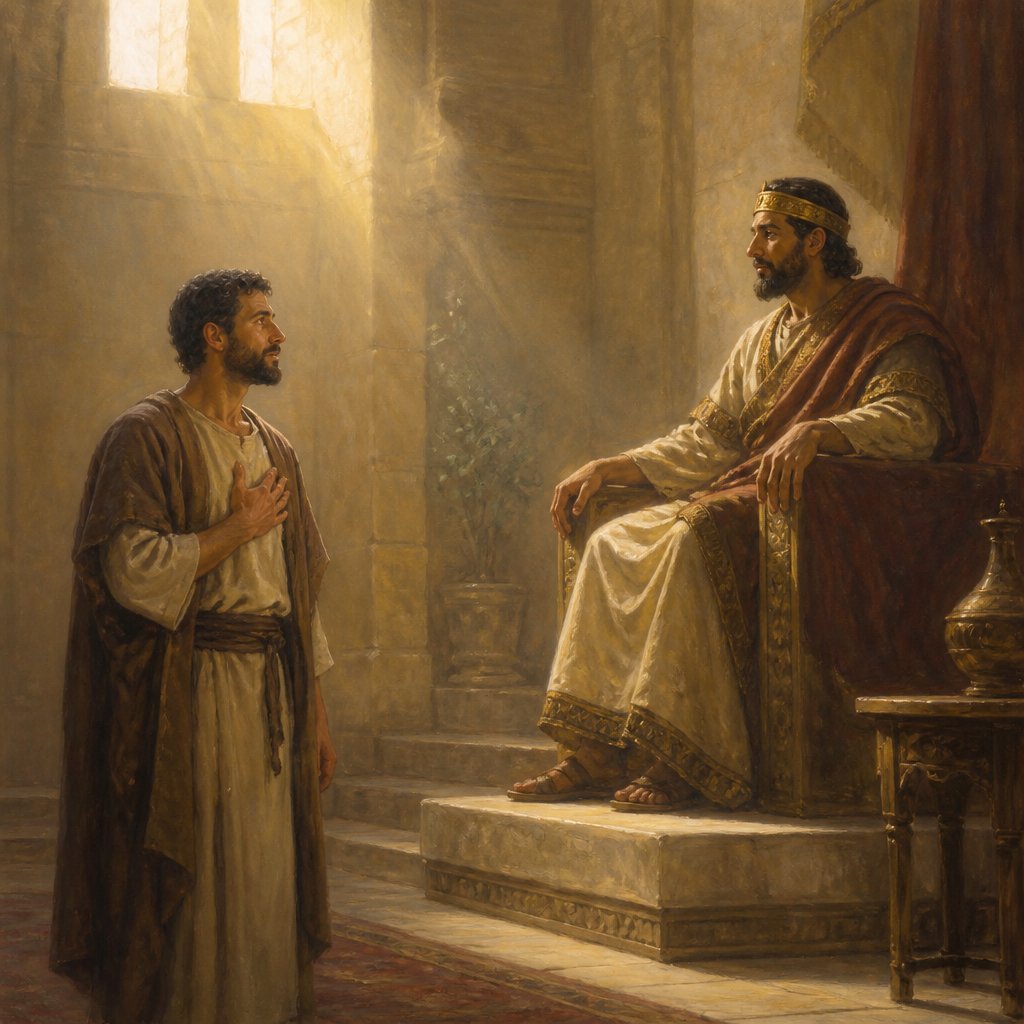
The verse Ecclesiastes 8:2 in the King James Version of the Bible states: "I counsel thee to keep the king's commandment, and that in regard of the oath of God."
This verse comes from the Book of Ecclesiastes, which is traditionally attributed to King Solomon, the son of King David. The book is a part of the Wisdom Literature in the Old Testament and is known for its philosophical reflections on the meaning of life, the nature of wisdom, and the pursuit of happiness. The verse falls within a section of the book where the author discusses the importance of submitting to authority, particularly to the king.
The phrase "I counsel thee to keep the king's commandment" speaks to the author's advice to obey the authority of the king. In the ancient world, the king held supreme power over his subjects and it was essential to obey his commands to maintain order and stability in the kingdom. The author is emphasizing the importance of respecting and obeying the ruling authority, as a disobedient subject could face severe consequences. The verse reflects the traditional understanding of the divine right of kings, where the king's authority is seen as divinely ordained and therefore should be obeyed.
The second part of the verse, "and that in regard of the oath of God," adds a deeper layer of meaning to the author's counsel. It suggests that obedience to the king's commandment is not just a matter of earthly duty, but a spiritual obligation as well. The "oath of God" refers to the idea that the king's authority is ultimately derived from God, and therefore, disobeying the king is akin to disobeying God.
From a broader perspective, this verse reflects the theme of submission to authority and the importance of obedience in the context of a hierarchical society. It also touches on the spiritual dimension of obedience, as the king's authority is linked to the divine will.
Furthermore, the verse can be interpreted symbolically, with the king representing not just a political ruler but also the ultimate authority of God. The obedience and submission to the king's commandment can be seen as a metaphor for the believer's trust and faith in God and the divine order. The "oath of God" underscores the sacred nature of this obedience, highlighting the spiritual implications of honoring authority.
In a modern context, this verse can be applied to the concept of respecting and obeying legitimate authority figures, whether they be political leaders, employers, or other figures of authority. It encourages a sense of respect for hierarchy and order, while also emphasizing the spiritual significance of submitting to authority in the broader context of faith.
In conclusion, Ecclesiastes 8:2 offers a powerful reflection on the themes of obedience, authority, and divine will. It urges readers to honor and respect the authority of the king, drawing attention to the spiritual implications of obedience. The verse serves as a reminder of the importance of order and submission within society, as well as the deeper spiritual significance of honoring authority.
Have questions about Ecclesiastes 8:2?
Dive deeper into this scripture with Bible Chat — an AI-powered tool for exploring God's Word through conversation. Ask questions, get context, and grow in your understanding of the Bible.
Get Our Apps


Ecclesiastes 8:2 Artwork

Ecclesiastes 8:2 - "I counsel thee to keep the king's commandment, and that in regard of the oath of God."

"I counsel thee to keep the king's commandment, and that in regard of the oath of God." - Ecclesiastes 8:2

ecclesiastes 12:1-8

ecclesiastes 12:1-8

ecclesiastes 12:1-8

ecclesiastes 12:1-8

Ecclesiastes 3:7-8

ecclesiastes 12:1-8

Ecclesiastes 12:8 - "¶ Vanity of vanities, saith the preacher; all is vanity."
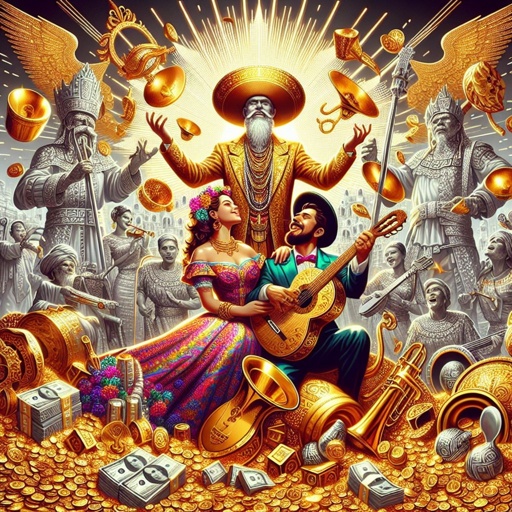
Ecclesiastes 2:8 - "I gathered me also silver and gold, and the peculiar treasure of kings and of the provinces: I gat me men singers and women singers, and the delights of the sons of men, as musical instruments, and that of all sorts."

Ecclesiastes 3:8 - "A time to love, and a time to hate; a time of war, and a time of peace."

Ecclesiastes 8:7 - "For he knoweth not that which shall be: for who can tell him when it shall be?"

Ecclesiastes 8:6 - "¶ Because to every purpose there is time and judgment, therefore the misery of man is great upon him."

Ecclesiastes 9:8 - "Let thy garments be always white; and let thy head lack no ointment."

Ecclesiastes 8:4 - "Where the word of a king is, there is power: and who may say unto him, What doest thou?"

Ecclesiastes 7:8 - "Better is the end of a thing than the beginning thereof: and the patient in spirit is better than the proud in spirit."

Ecclesiastes 2:2 - "I said of laughter, It is mad: and of mirth, What doeth it?"

ecclesiastes 12:2-6

Ecclesiastes 10:8 - "He that diggeth a pit shall fall into it; and whoso breaketh an hedge, a serpent shall bite him."

Ecclesiastes 8:8 - "There is no man that hath power over the spirit to retain the spirit; neither hath he power in the day of death: and there is no discharge in that war; neither shall wickedness deliver those that are given to it."

Ecclesiastes 1:8 - "All things are full of labour; man cannot utter it: the eye is not satisfied with seeing, nor the ear filled with hearing."

Ecclesiastes 8:5 - "Whoso keepeth the commandment shall feel no evil thing: and a wise man's heart discerneth both time and judgment."

Ecclesiastes 8:3 - "Be not hasty to go out of his sight: stand not in an evil thing; for he doeth whatsoever pleaseth him."

Ecclesiastes 6:8 - "For what hath the wise more than the fool? what hath the poor, that knoweth to walk before the living?"

"¶ Vanity of vanities, saith the preacher; all is vanity." - Ecclesiastes 12:8

"1 There is a time for everything, and a season for every activity under the heavens: 2 a time to be born and a time to die, a time to plant and a time to uproot, 3 a time to kill and a time to heal, a time to tear down and a time to build, 4 a time to weep and a time to laugh, a time to mourn and a time to dance, 5 a time to scatter stones and a time to gather them, a time to embrace and a time to refrain from embracing, 6 a time to search and a time to give up, a time to keep and a time to throw away, 7 a time to tear and a time to mend, a time to be silent and a time to speak, 8 a time to love and a time to hate, a time for war and a time for peace." - Ecclesiastes 3:1-8

Ecclesiastes 8:13 - "But it shall not be well with the wicked, neither shall he prolong his days, which are as a shadow; because he feareth not before God."

Ecclesiastes 1:2 - "Vanity of vanities, saith the Preacher, vanity of vanities; all is vanity."

Ecclesiastes 8:11 - "Because sentence against an evil work is not executed speedily, therefore the heart of the sons of men is fully set in them to do evil."
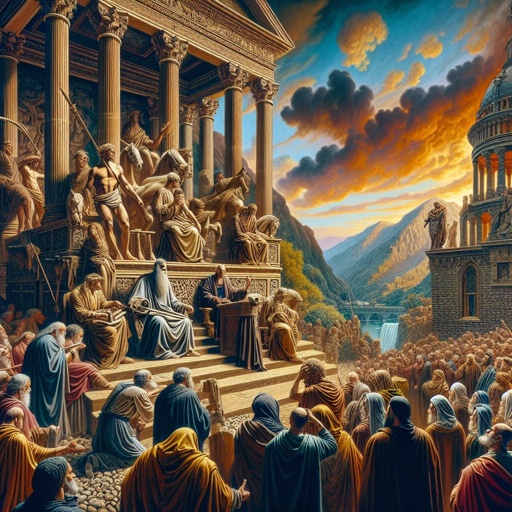
Ecclesiastes 5:8 - "¶ If thou seest the oppression of the poor, and violent perverting of judgment and justice in a province, marvel not at the matter: for he that is higher than the highest regardeth; and there be higher than they."