What does Ecclesiastes 8:1 mean?
“Who is as the wise man? and who knoweth the interpretation of a thing? a man’s wisdom maketh his face to shine, and the boldness of his face shall be changed.” — Ecclesiastes 8:1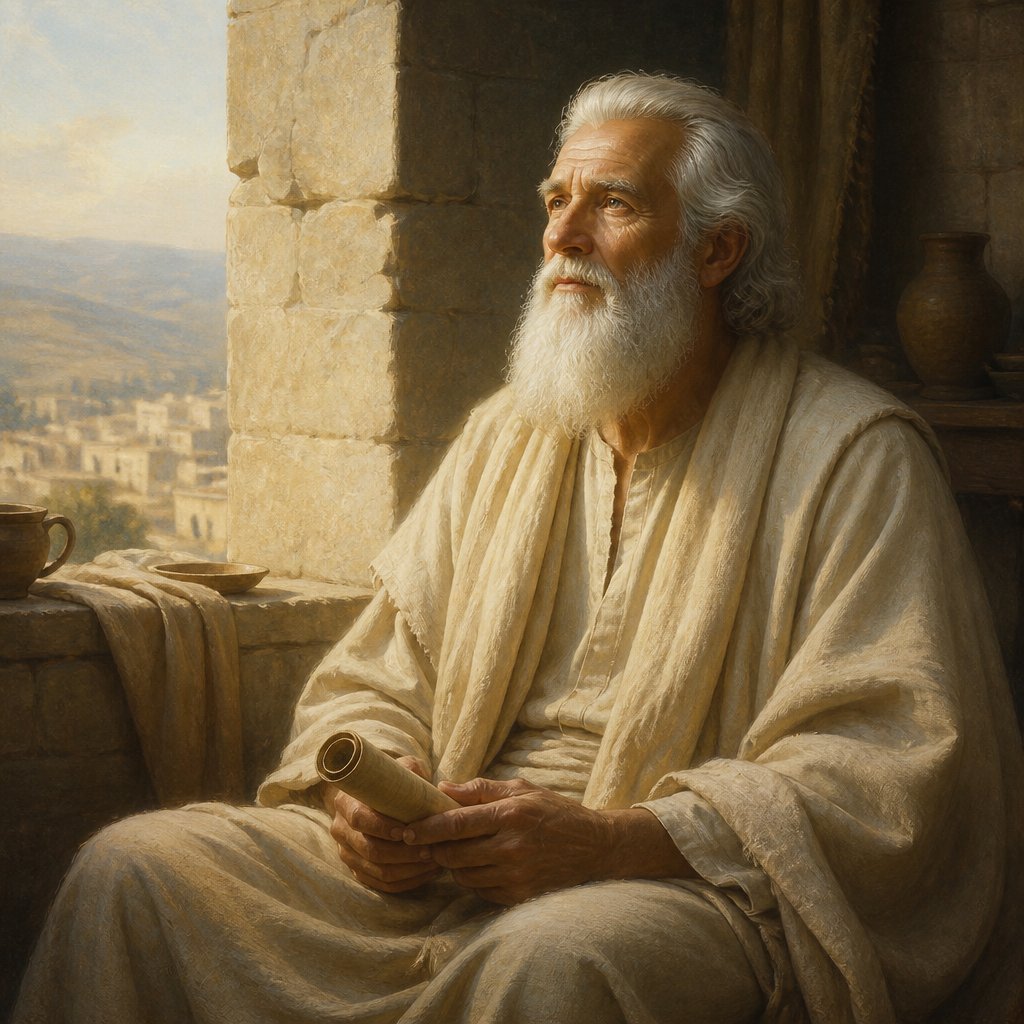
Ecclesiastes 8:1 in the King James Version of the Bible states: "Who is as the wise man? and who knoweth the interpretation of a thing? a man's wisdom maketh his face to shine, and the boldness of his face shall be changed." This verse is part of the Old Testament book of Ecclesiastes, which is traditionally attributed to King Solomon, the wise king of Israel.
The book of Ecclesiastes is known for its deep philosophical and existential musings on the nature of life, human existence, and the pursuit of wisdom and meaning. In this particular verse, the author reflects on the characteristics of a wise person and the impact of wisdom on a person's demeanor and outlook on life.
The verse begins with a rhetorical question: "Who is as the wise man?" This question sets the tone for the entire passage, emphasizing the rarity and value of wisdom. The implication is that wisdom is not easily attained, and those who possess it are exceptional individuals. The author then asks, "and who knoweth the interpretation of a thing?" This question highlights the discerning and insightful nature of wisdom. A wise person is able to understand and interpret the complexities of life and the world around them. They possess a deeper understanding and insight that eludes the average person.
The verse goes on to proclaim that "a man's wisdom maketh his face to shine." This metaphorical language suggests that wisdom has a transformative effect on a person's countenance. Just as light illuminates and radiates from a source, so too does wisdom radiate from a person who possesses it. The image of a shining face conveys a sense of vitality, clarity, and inner strength. It suggests that wisdom brings a sense of inner peace, confidence, and discernment to the wise individual.
Finally, the verse asserts that "the boldness of his face shall be changed." This statement further emphasizes the transformative power of wisdom. The word "boldness" here can be understood as a person's confidence, courage, and assertiveness. The verse suggests that wisdom has the ability to change and shape a person's outward demeanor and behavior. It implies that wisdom enables a person to approach life with a greater sense of understanding, prudence, and confidence.
In context, this verse is found within the larger narrative of Ecclesiastes, where the author reflects on the futility of human endeavors and the realization of the transitory nature of life. Throughout the book, there is a consistent theme of seeking meaning and satisfaction in the face of life's uncertainties and injustices. The emphasis on wisdom in this verse can be seen as an antidote to the disillusionment and despair that permeates much of the book. It suggests that despite life's challenges, wisdom has the power to bring clarity, insight, and a sense of purpose.
Symbolically, this verse can be understood as a metaphor for the transformative power of wisdom in the lives of individuals. The shining face of the wise person can be seen as a symbol of inner enlightenment and spiritual radiance. It conveys the idea that wisdom brings a sense of joy, peace, and confidence that is visible to others. The changing of the boldness of the face can be interpreted as a symbol of personal growth and moral transformation. Wisdom has the ability to shape and mold a person's character, leading to a more mature, discerning, and confident individual.
In conclusion, Ecclesiastes 8:1 offers a profound reflection on the nature of wisdom and its transformative impact on individuals. It emphasizes the rarity and value of wisdom, its ability to bring insight and clarity, and its transformative power on a person's demeanor and character. As with much of the book of Ecclesiastes, the verse invites readers to ponder the deeper meanings of life and the pursuit of wisdom in the face of life's uncertainties and challenges.
Get our apps


Artwork for Ecclesiastes 8:1

Ecclesiastes 8:1 - "Who is as the wise man? and who knoweth the interpretation of a thing? a man's wisdom maketh his face to shine, and the boldness of his face shall be changed."
"Who is as the wise man? and who knoweth the interpretation of a thing? a man's wisdom maketh his face to shine, and the boldness of his face shall be changed." - Ecclesiastes 8:1

ecclesiastes 12:1-8

ecclesiastes 12:1-8

ecclesiastes 12:1-8

ecclesiastes 12:1-8

ecclesiastes 12:1-8

Ecclesiastes 1:8 - "All things are full of labour; man cannot utter it: the eye is not satisfied with seeing, nor the ear filled with hearing."

Ecclesiastes 3:7-8

"1 There is a time for everything, and a season for every activity under the heavens: 2 a time to be born and a time to die, a time to plant and a time to uproot, 3 a time to kill and a time to heal, a time to tear down and a time to build, 4 a time to weep and a time to laugh, a time to mourn and a time to dance, 5 a time to scatter stones and a time to gather them, a time to embrace and a time to refrain from embracing, 6 a time to search and a time to give up, a time to keep and a time to throw away, 7 a time to tear and a time to mend, a time to be silent and a time to speak, 8 a time to love and a time to hate, a time for war and a time for peace." - Ecclesiastes 3:1-8

Ecclesiastes 12:8 - "¶ Vanity of vanities, saith the preacher; all is vanity."

Ecclesiastes 3:8 - "A time to love, and a time to hate; a time of war, and a time of peace."

Ecclesiastes 8:2 - "I counsel thee to keep the king's commandment, and that in regard of the oath of God."

Ecclesiastes 8:7 - "For he knoweth not that which shall be: for who can tell him when it shall be?"

Ecclesiastes 8:6 - "¶ Because to every purpose there is time and judgment, therefore the misery of man is great upon him."

Ecclesiastes 9:8 - "Let thy garments be always white; and let thy head lack no ointment."

ecclesiastes 12:1

ecclesiastes 12:1

Ecclesiastes 8:4 - "Where the word of a king is, there is power: and who may say unto him, What doest thou?"

Ecclesiastes 7:8 - "Better is the end of a thing than the beginning thereof: and the patient in spirit is better than the proud in spirit."

Ecclesiastes 1:11

ecclesiastes 12:1

Ecclesiastes 3:1

Ecclesiastes 10:8 - "He that diggeth a pit shall fall into it; and whoso breaketh an hedge, a serpent shall bite him."

Ecclesiastes 8:8 - "There is no man that hath power over the spirit to retain the spirit; neither hath he power in the day of death: and there is no discharge in that war; neither shall wickedness deliver those that are given to it."

Ecclesiastes 1:1 - "The words of the Preacher, the son of David, king in Jerusalem."

Ecclesiastes 8:5 - "Whoso keepeth the commandment shall feel no evil thing: and a wise man's heart discerneth both time and judgment."

"All things are full of labour; man cannot utter it: the eye is not satisfied with seeing, nor the ear filled with hearing." - Ecclesiastes 1:8

Ecclesiastes 8:3 - "Be not hasty to go out of his sight: stand not in an evil thing; for he doeth whatsoever pleaseth him."

Ecclesiastes 6:8 - "For what hath the wise more than the fool? what hath the poor, that knoweth to walk before the living?"