What does Ecclesiastes 8:9 mean?
“All this have I seen, and applied my heart unto every work that is done under the sun: there is a time wherein one man ruleth over another to his own hurt.” — Ecclesiastes 8:9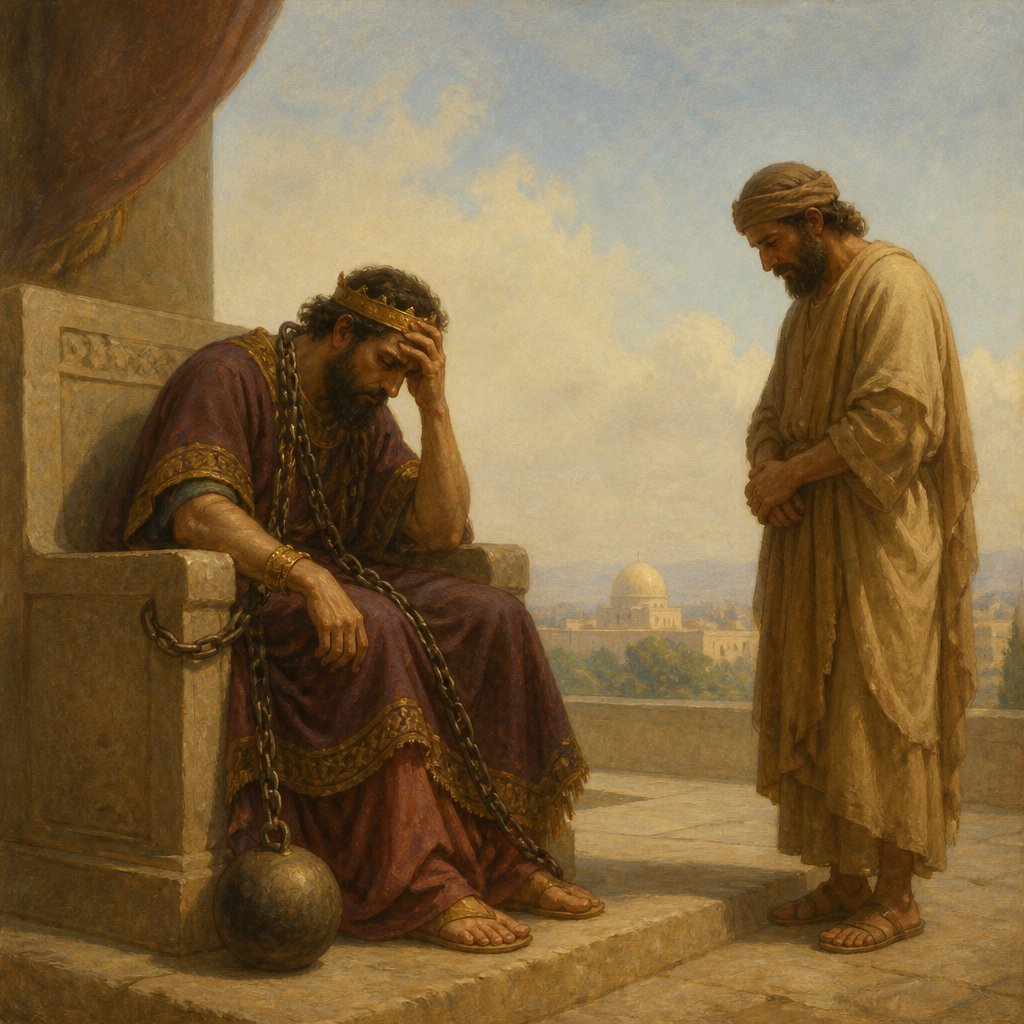
Ecclesiastes 8:9 in the King James Version of the Bible reads: "All this have I seen, and applied my heart unto every work that is done under the sun: there is a time wherein one man ruleth over another to his own hurt."
This verse comes from the book of Ecclesiastes, which is traditionally attributed to King Solomon, who is described as the wisest man who ever lived. In this book, Solomon reflects on the meaning of life, the fleeting nature of human existence, and the search for true wisdom and fulfillment.
In Ecclesiastes 8:9, Solomon reflects on the realities of life and human governance. The phrase "all this have I seen" indicates that Solomon is drawing from his personal experiences and observations. He has witnessed the various ways in which people conduct themselves and engage in work "under the sun," which symbolizes human activity in the temporal world. Solomon is acknowledging the complexity and diversity of human endeavor and the range of human experience.
Solomon then speaks to the dynamic of power and rulership among men. He recognizes that there are times when one person exercises authority over another, and this can lead to harm or detriment. This observation is significant in the context of Ecclesiastes, as it reflects the broader theme of the book, which is the transient nature of human life and the pursuit of fulfillment and meaning.
The theme of governance and rulership is a recurring motif throughout the Bible, and it is often depicted as having both positive and negative implications. In the Old Testament, there are numerous examples of righteous and unrighteous kings, and the consequences of their actions have far-reaching effects on their subjects. In the New Testament, Jesus is portrayed as the ultimate king, whose rule is marked by justice, compassion, and mercy.
Solomon's reflection on the nature of human rule also speaks to the broader theme of human fallibility and the limitations of power and authority. Throughout history, there have been countless examples of rulers who have abused their authority and caused harm to those under their rule. Solomon's acknowledgment of the potential for harm in the exercise of power serves as a cautionary reminder of the need for wisdom, integrity, and moral responsibility in governance.
In addition to its thematic significance, Ecclesiastes 8:9 also carries symbolic and allegorical meaning. The concept of one man ruling over another to his own hurt can be interpreted on both a personal and societal level. On a personal level, it speaks to the destructive impact of pride, selfishness, and the abuse of power in individual relationships. On a societal level, it can be seen as a warning against oppressive and unjust systems of governance that lead to suffering and injustice for the populace.
Ultimately, Ecclesiastes 8:9 serves as a sobering reflection on the nature of human existence and the complexities of governance and rulership. It calls for humility, discernment, and moral integrity in the exercise of power, and it reminds us of the potential for both good and harm in human endeavors. As with many passages in Ecclesiastes, this verse prompts us to reflect on the fleeting nature of life and the pursuit of wisdom and righteousness in all our actions.
Get our apps


Artwork for Ecclesiastes 8:9

Ecclesiastes 8:9 - "All this have I seen, and applied my heart unto every work that is done under the sun: there is a time wherein one man ruleth over another to his own hurt."
"All this have I seen, and applied my heart unto every work that is done under the sun: there is a time wherein one man ruleth over another to his own hurt." - Ecclesiastes 8:9

Ecclesiastes 9:8 - "Let thy garments be always white; and let thy head lack no ointment."

"Let thy garments be always white; and let thy head lack no ointment." - Ecclesiastes 9:8

ecclesiastes 12:1-8

ecclesiastes 12:1-8

ecclesiastes 12:1-8

ecclesiastes 12:1-8

Ecclesiastes 3:7-8

ecclesiastes 12:1-8

Ecclesiastes 12:8 - "¶ Vanity of vanities, saith the preacher; all is vanity."

Ecclesiastes 3:9 - "What profit hath he that worketh in that wherein he laboureth?"

Ecclesiastes 7:9 - "Be not hasty in thy spirit to be angry: for anger resteth in the bosom of fools."

Ecclesiastes 3:8 - "A time to love, and a time to hate; a time of war, and a time of peace."

Ecclesiastes 8:2 - "I counsel thee to keep the king's commandment, and that in regard of the oath of God."

Ecclesiastes 5:9 - "¶ Moreover the profit of the earth is for all: the king himself is served by the field."

Ecclesiastes 6:9 - "¶ Better is the sight of the eyes than the wandering of the desire: this is also vanity and vexation of spirit."

Ecclesiastes 8:7 - "For he knoweth not that which shall be: for who can tell him when it shall be?"

Ecclesiastes 4:9 - "¶ Two are better than one; because they have a good reward for their labour."

Ecclesiastes 9:4 - "¶ For to him that is joined to all the living there is hope: for a living dog is better than a dead lion."

Ecclesiastes 8:6 - "¶ Because to every purpose there is time and judgment, therefore the misery of man is great upon him."

Ecclesiastes 9:18 - "Wisdom is better than weapons of war: but one sinner destroyeth much good."

Ecclesiastes 8:4 - "Where the word of a king is, there is power: and who may say unto him, What doest thou?"

Ecclesiastes 7:8 - "Better is the end of a thing than the beginning thereof: and the patient in spirit is better than the proud in spirit."

Ecclesiastes 9:13 - "¶ This wisdom have I seen also under the sun, and it seemed great unto me:"

Ecclesiastes 10:9 - "Whoso removeth stones shall be hurt therewith; and he that cleaveth wood shall be endangered thereby."

Ecclesiastes 9:17 - "The words of wise men are heard in quiet more than the cry of him that ruleth among fools."

Ecclesiastes 10:8 - "He that diggeth a pit shall fall into it; and whoso breaketh an hedge, a serpent shall bite him."

Ecclesiastes 1:9 - "The thing that hath been, it is that which shall be; and that which is done is that which shall be done: and there is no new thing under the sun."

Ecclesiastes 8:8 - "There is no man that hath power over the spirit to retain the spirit; neither hath he power in the day of death: and there is no discharge in that war; neither shall wickedness deliver those that are given to it."