What does Ecclesiastes 9:2 mean?
"All things come alike to all: there is one event to the righteous, and to the wicked; to the good and to the clean, and to the unclean; to him that sacrificeth, and to him that sacrificeth not: as is the good, so is the sinner; and he that sweareth, as he that feareth an oath." - Ecclesiastes 9:2
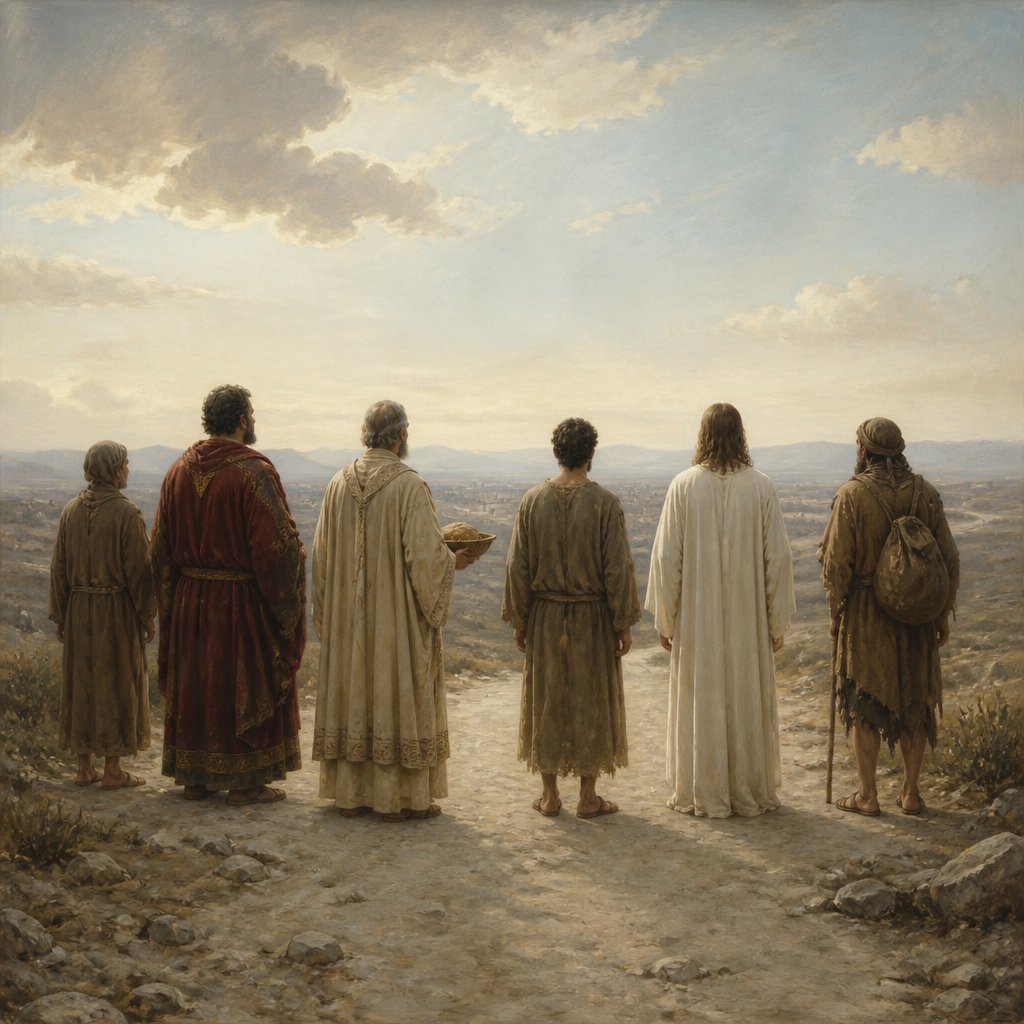
Ecclesiastes 9:2 from the King James Version of the Bible reads, "All things come alike to all: there is one event to the righteous, and to the wicked; to the good and to the clean, and to the unclean; to him that sacrificeth, and to him that sacrificeth not: as is the good, so is the sinner; and he that sweareth, as he that feareth an oath."
This verse from the book of Ecclesiastes is profound and thought-provoking, as it delves into the concept of the universal equality of human experience. The author of Ecclesiastes, traditionally believed to be King Solomon, explores the idea that all people, regardless of their moral character or actions, will ultimately face the same fate in life. This verse presents a stark contrast to the prevailing beliefs of the time, which often emphasized a direct correlation between righteousness and blessings, and between wickedness and punishment.
One of the central themes of Ecclesiastes 9:2 is the concept of the human condition and the unpredictable nature of life. The verse suggests that everyone, regardless of their moral standing or religious practices, will ultimately experience the same events and challenges. This challenges the traditional view of retribution and divine justice, as it suggests that good and bad things can happen to anyone, regardless of their actions or beliefs. This notion of the unpredictability of life is a recurring theme throughout the book of Ecclesiastes, as the author grapples with the existential questions of human existence and the apparent lack of order and justice in the world.
Another important theme in this verse is the idea of moral relativism and the equalizing nature of death. The verse juxtaposes the righteous with the wicked, the good with the unclean, and those who sacrifice with those who do not. This creates a sense of moral ambiguity, suggesting that there is no inherent advantage or disadvantage to being a certain way. The author seems to be emphasizing the transient and fleeting nature of human distinctions and categorizations, highlighting the ultimate equalizing force of death that awaits all individuals regardless of their earthly status or actions.
The context of Ecclesiastes 9:2 also informs its meaning and significance. The book of Ecclesiastes is generally considered to be a philosophical reflection on the nature of life, wisdom, and the pursuit of happiness. The author, often believed to be King Solomon, takes on the persona of the "Preacher" and offers his observations and reflections on the futility of human endeavors and the fleeting nature of life. In this particular verse, the author seems to be challenging the prevailing beliefs of his time regarding the relationship between righteousness and blessings, and between wickedness and punishment. By presenting a more nuanced and complex view of the human condition, the verse encourages readers to question their assumptions and consider the inherent unpredictability and equality of human experience.
Symbolically, Ecclesiastes 9:2 can be interpreted as a call for humility and an acknowledgment of the inherent limitations of human understanding. The verse underscores the transient and arbitrary nature of life, and the equalizing force of death that ultimately awaits all individuals. This challenges the prevailing notions of moral superiority and divine favor, and invites readers to consider the possibility of a more complex and enigmatic reality beyond human comprehension.
In conclusion, Ecclesiastes 9:2 from the King James Version of the Bible offers a profound and thought-provoking reflection on the nature of the human condition and the unpredictability of life. By challenging traditional beliefs about the relationship between righteousness and blessings, and between wickedness and punishment, the verse encourages readers to consider the inherent equality and unpredictability of human experience. It invites readers to question their assumptions and consider a more nuanced and complex understanding of the world and the ultimate equalizing force of death.
Have questions about Ecclesiastes 9:2?
Dive deeper into this scripture with Bible Chat — an AI-powered tool for exploring God's Word through conversation. Ask questions, get context, and grow in your understanding of the Bible.
Get Our Apps


Ecclesiastes 9:2 Artwork

Ecclesiastes 9:2 - "All things come alike to all: there is one event to the righteous, and to the wicked; to the good and to the clean, and to the unclean; to him that sacrificeth, and to him that sacrificeth not: as is the good, so is the sinner; and he that sweareth, as he that feareth an oath."
"All things come alike to all: there is one event to the righteous, and to the wicked; to the good and to the clean, and to the unclean; to him that sacrificeth, and to him that sacrificeth not: as is the good, so is the sinner; and he that sweareth, as he that feareth an oath." - Ecclesiastes 9:2

Ecclesiastes 2:9 - "So I was great, and increased more than all that were before me in Jerusalem: also my wisdom remained with me."

Ecclesiastes 3:9 - "What profit hath he that worketh in that wherein he laboureth?"

Ecclesiastes 7:9 - "Be not hasty in thy spirit to be angry: for anger resteth in the bosom of fools."

Ecclesiastes 5:9 - "¶ Moreover the profit of the earth is for all: the king himself is served by the field."

Ecclesiastes 6:9 - "¶ Better is the sight of the eyes than the wandering of the desire: this is also vanity and vexation of spirit."

Ecclesiastes 4:9 - "¶ Two are better than one; because they have a good reward for their labour."

Ecclesiastes 9:4 - "¶ For to him that is joined to all the living there is hope: for a living dog is better than a dead lion."

Ecclesiastes 9:8 - "Let thy garments be always white; and let thy head lack no ointment."

Ecclesiastes 9:18 - "Wisdom is better than weapons of war: but one sinner destroyeth much good."

Ecclesiastes 2:2 - "I said of laughter, It is mad: and of mirth, What doeth it?"

Ecclesiastes 9:13 - "¶ This wisdom have I seen also under the sun, and it seemed great unto me:"

ecclesiastes 12:2-6

Ecclesiastes 10:9 - "Whoso removeth stones shall be hurt therewith; and he that cleaveth wood shall be endangered thereby."

Ecclesiastes 9:17 - "The words of wise men are heard in quiet more than the cry of him that ruleth among fools."

Ecclesiastes 1:9 - "The thing that hath been, it is that which shall be; and that which is done is that which shall be done: and there is no new thing under the sun."

Ecclesiastes 9:14 - "There was a little city, and few men within it; and there came a great king against it, and besieged it, and built great bulwarks against it:"

Ecclesiastes 9:16 - "Then said I, Wisdom is better than strength: nevertheless the poor man's wisdom is despised, and his words are not heard."

"So I was great, and increased more than all that were before me in Jerusalem: also my wisdom remained with me." - Ecclesiastes 2:9

Ecclesiastes 1:2 - "Vanity of vanities, saith the Preacher, vanity of vanities; all is vanity."

Ecclesiastes 9:15 - "Now there was found in it a poor wise man, and he by his wisdom delivered the city; yet no man remembered that same poor man."

Ecclesiastes 9:5 - "For the living know that they shall die: but the dead know not any thing, neither have they any more a reward; for the memory of them is forgotten."

"Be not hasty in thy spirit to be angry: for anger resteth in the bosom of fools." - Ecclesiastes 7:9

Ecclesiastes 2:13 - "Then I saw that wisdom excelleth folly, as far as light excelleth darkness."

Ecclesiastes 8:2 - "I counsel thee to keep the king's commandment, and that in regard of the oath of God."

Ecclesiastes 9:6 - "Also their love, and their hatred, and their envy, is now perished; neither have they any more a portion for ever in any thing that is done under the sun."

Ecclesiastes 9:7 - "¶ Go thy way, eat thy bread with joy, and drink thy wine with a merry heart; for God now accepteth thy works."

Ecclesiastes 9:10 - "Whatsoever thy hand findeth to do, do it with thy might; for there is no work, nor device, nor knowledge, nor wisdom, in the grave, whither thou goest."

"What profit hath he that worketh in that wherein he laboureth?" - Ecclesiastes 3:9