What does Ephesians 2:3 mean?
“Among whom also we all had our conversation in times past in the lusts of our flesh, fulfilling the desires of the flesh and of the mind; and were by nature the children of wrath, even as others.” — Ephesians 2:3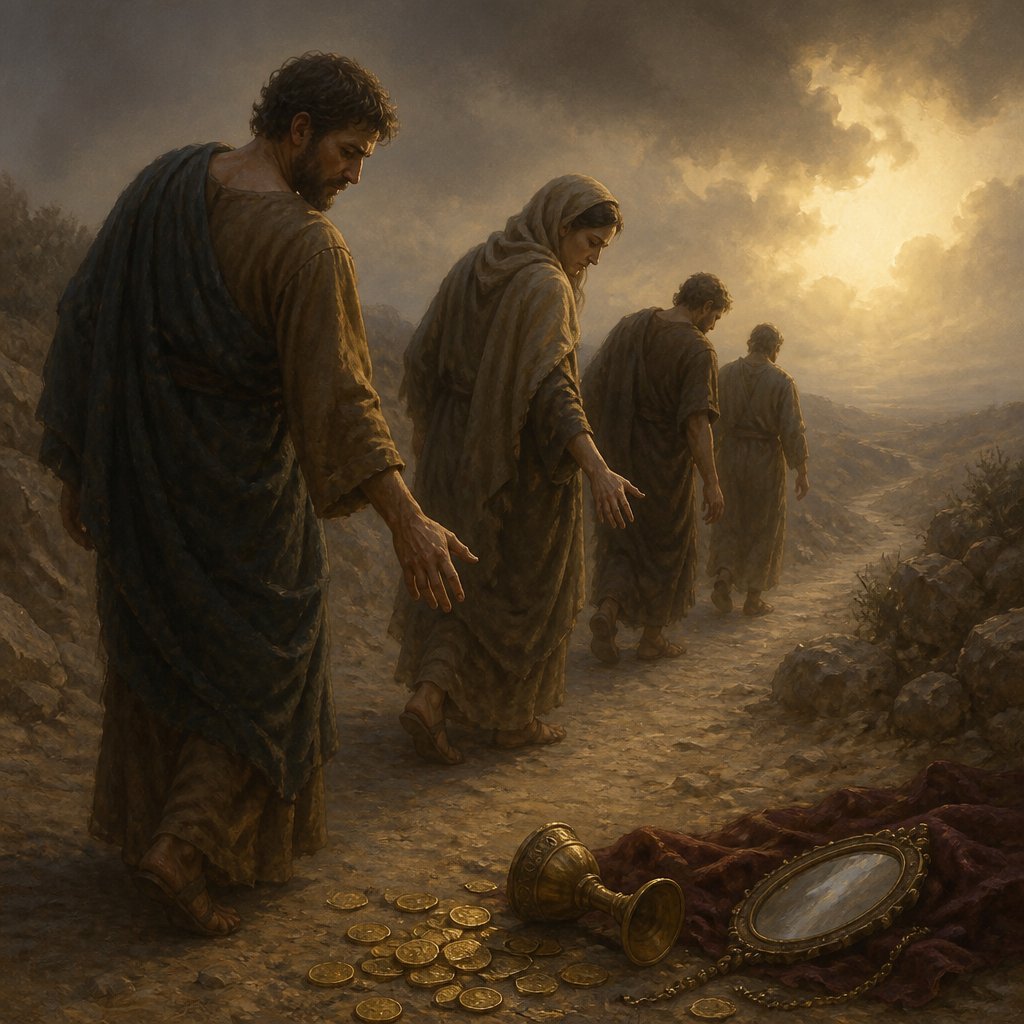
The verse Ephesians 2:3 in the King James Version of the Bible states: "Among whom also we all had our conversation in times past in the lusts of our flesh, fulfilling the desires of the flesh and of the mind; and were by nature the children of wrath, even as others."
This verse is part of a larger passage in the book of Ephesians where the apostle Paul is addressing the Gentile believers in Ephesus, reminding them of their former state before coming to faith in Christ. In this particular verse, Paul is describing the sinful and corrupt nature of humanity before salvation.
The verse begins with the phrase "Among whom also we all had our conversation in times past." The word "conversation" in this context refers to our way of life or behavior. Paul is reminding the Ephesian believers that they, like all people, once lived in a manner characterized by sin and selfish desires. This includes all aspects of life, including thoughts, actions, and attitudes.
The verse goes on to describe the nature of this sinful way of life as being "in the lusts of our flesh." This refers to the strong desires and passions that are at odds with God's will. It emphasizes the selfish and indulgent nature of humanity prior to salvation. Paul continues by stating that this way of life involved "fulfilling the desires of the flesh and of the mind." This suggests that not only were their physical desires being indulged, but also their mental and emotional desires – the entire nature of the individual was consumed by sinful desires.
The verse concludes by stating that, prior to salvation, humanity was "by nature the children of wrath, even as others." This means that all people, by their very nature, were deserving of God's wrath and judgment because of their sinful state. This echoes the biblical concept of original sin, the inherited sinful nature that all people possess as descendants of Adam and Eve.
The larger context of this verse is important for understanding its significance. In the preceding verses, Paul has been emphasizing the grace and mercy of God in saving sinners through faith in Christ. By describing the former sinful state of the Ephesian believers, Paul is highlighting the contrast between their past and their present – a contrast made possible by the redeeming work of Christ.
The themes present in this verse include the fallen nature of humanity, the power of sin, and the need for salvation. It emphasizes the universal condition of sin and the helpless state of humanity apart from God. This verse serves as a reminder of the depth of God's love and the transformative power of the gospel in the lives of believers.
Symbolically, this verse represents the stark contrast between a life dominated by sin and a life redeemed by Christ. It serves as a reminder of the hope found in the gospel and the radical transformation that takes place when a person is saved. It also underscores the need for humility and gratitude, as the believers are reminded of their own sinful past and the grace that has been extended to them.
In conclusion, Ephesians 2:3 in the King James Version of the Bible provides a powerful and sobering reflection on the sinful nature of humanity and the transformative work of Christ. It serves as a reminder of the universal need for salvation and the abundant grace that is available through faith in Jesus. This verse continues to be a source of encouragement and conviction for believers as they reflect on the profound impact of the gospel in their lives.
Get our apps


Artwork for Ephesians 2:3

Ephesians 2:3 - "Among whom also we all had our conversation in times past in the lusts of our flesh, fulfilling the desires of the flesh and of the mind; and were by nature the children of wrath, even as others."
"Among whom also we all had our conversation in times past in the lusts of our flesh, fulfilling the desires of the flesh and of the mind; and were by nature the children of wrath, even as others." - Ephesians 2:3

Ephesians 3:2 - "If ye have heard of the dispensation of the grace of God which is given me to you-ward:"

Ephesians 3

Ephesians 3

Ephesians 4:2-3 - "Be completely humble and gentle; be patient, bearing with one another in love. Make every effort to keep the unity of the Spirit through the bond of peace."

Ephesians 1:3

Ephesians 6:2-3 - "Honor your father and mother—which is the first commandment with a promise— so that it may go well with you and that you may enjoy long life on the earth."

"If ye have heard of the dispensation of the grace of God which is given me to you-ward:" - Ephesians 3:2

Ephesians 3:15 - "Of whom the whole family in heaven and earth is named,"

Ephesians 4:3 - "Endeavouring to keep the unity of the Spirit in the bond of peace."

Ephesians 3:3 - "How that by revelation he made known unto me the mystery; (as I wrote afore in few words,"

Ephesians 2:8

Ephesians 2:22

Ephesians 2:22

Ephesians 2:22

Ephesians 2:22

Ephesians 2:10

Ephesians 2:22

Ephesians 2:22

Ephesians 2:10

Ephesians 2-10

Ephesians 2:10

Ephesians 2:22

Ephesians 2:22

Ephesians 2:22

Ephesians 2:10

Ephesians 6:3 - "That it may be well with thee, and thou mayest live long on the earth."

Ephesians 3:1 - "For this cause I Paul, the prisoner of Jesus Christ for you Gentiles,"

Ephesians 3:12 - "In whom we have boldness and access with confidence by the faith of him."