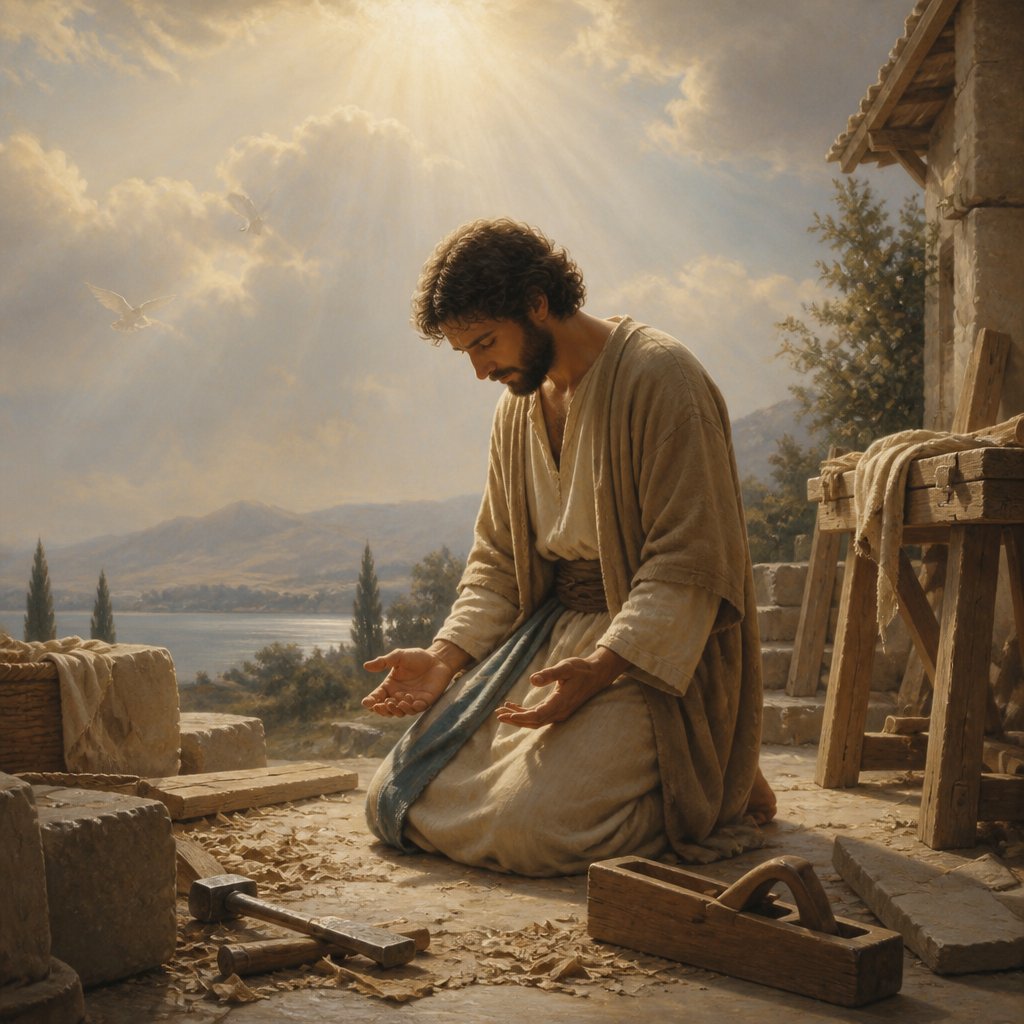
Ephesians 2:9 in the King James Version of the Bible says, "Not of works, lest any man should boast." This verse is part of a larger passage where the apostle Paul is discussing the concept of salvation and grace. It is important to understand the context of this verse in order to fully grasp its meaning and significance.
In the verses leading up to Ephesians 2:9, Paul talks about how God's grace is what saves us. He emphasizes that salvation is a gift from God and not something that can be earned through good works. This idea is central to the Christian faith and is a recurring theme throughout the New Testament.
The concept of grace is a fundamental aspect of the Christian belief system. It is the idea that God gives us the gift of salvation out of His love and mercy, not because we have done anything to deserve it. This stands in stark contrast to many other religions and belief systems, which often emphasize the need for good deeds or works in order to achieve salvation or enlightenment.
In the context of Ephesians 2:9, Paul is cautioning against the idea of boasting about one's good works or trying to earn salvation through human effort. He is reminding the Ephesian church that salvation is purely a result of God's grace and cannot be achieved through personal accomplishments.
This verse also addresses the problem of pride and self-sufficiency. It is human nature to want to take credit for our accomplishments and to boast about our abilities. However, Paul is reminding the Ephesians that when it comes to salvation, we have nothing to boast about. It is a gift freely given by God and cannot be earned through our own efforts.
The concept of grace and the idea that salvation is a free gift from God is a recurring theme throughout the New Testament. It is a foundational belief of the Christian faith and is often contrasted with the idea of salvation through works or human effort. This verse serves as a reminder to Christians that their salvation is not a result of their own works, but rather a result of God's grace.
In addition to its theological significance, Ephesians 2:9 also has practical implications for the way Christians live their lives. If salvation cannot be earned through good works, then there is no room for pride or boasting in the Christian life. Instead, the focus should be on living in gratitude for the grace that has been freely given.
The symbolism in this verse lies in the contrast between human effort and divine grace. It serves as a reminder that our salvation is not something we can accomplish on our own. Instead, it is a gift from God that we must receive with humility and gratitude.
In conclusion, Ephesians 2:9 is a powerful reminder of the central tenet of the Christian faith: salvation is a gift from God that cannot be earned through good works. It serves as a caution against pride and self-sufficiency, and encourages believers to live in gratitude for the grace that has been freely given. This verse is a foundational concept in Christian theology and has profound implications for the way believers understand their relationship with God.
Get our apps


Artwork for Ephesians 2:9

Ephesians 2:9 - "Not of works, lest any man should boast."

"Not of works, lest any man should boast." - Ephesians 2:9

Ephesians 2:8-9

ephesians 2 8-9

Ephesians 2:8-9 - "For by grace you have been saved through faith, and that not of yourselves; it is the gift of God, not of works, lest anyone should boast."

"For by grace you have been saved through faith, and that not of yourselves; it is the gift of God, not of works, lest anyone should boast." - Ephesians 2:8-9

Ephesians 5:9 - "(For the fruit of the Spirit is in all goodness and righteousness and truth;)"

Ephesians 2:8

Ephesians 2:22

Ephesians 2:22

Ephesians 2:22

Ephesians 2:22

Ephesians 2:10

Ephesians 2:22

Ephesians 2:22

Ephesians 2:10

Ephesians 2-10

Ephesians 2:10

Ephesians 2:22

Ephesians 2:22

Ephesians 2:22

Ephesians 2:10

Ephesians 4:9 - "(Now that he ascended, what is it but that he also descended first into the lower parts of the earth?"

Ephesians 4:1-2

Ephesians 4:1-2

Ephesians 4:1-2

Ephesians 4:1-2

Ephesians 4:1-2

Ephesians 4:1-2

Ephesians 4:1-2