In Ephesians 5:3-5, the King James Version of the Bible states:
"But fornication, and all uncleanness, or covetousness, let it not be once named among you, as becometh saints; Neither filthiness, nor foolish talking, nor jesting, which are not convenient: but rather giving of thanks. For this ye know, that no whoremonger, nor unclean person, nor covetous man, who is an idolater, hath any inheritance in the kingdom of Christ and of God."
This passage from the book of Ephesians contains clear instructions for believers to abstain from sinful behavior and to live lives that are pleasing to God. The passage addresses several specific sins, including fornication, uncleanness, covetousness, filthiness, foolish talking, and jesting. The overarching message of the passage is that these behaviors have no place in the lives of those who follow Christ, and that those who persist in such sins will not inherit the kingdom of God.
The theme of sexual purity is central to this passage, as fornication and uncleanness are explicitly mentioned. Fornication refers to sexual relations outside of marriage, while uncleanness encompasses any type of impurity or moral defilement. The passage emphasizes the importance of maintaining sexual purity and abstaining from all forms of immorality. This reflects the broader biblical teaching on the sanctity of marriage and the sacredness of the marital relationship.
Covetousness is also condemned in this passage, as it is a selfish and greedy desire for possessions, status, or wealth. The Bible frequently warns against the dangers of covetousness, recognizing that it can lead to a range of other sins and can become a barrier to true devotion to God. The passage challenges believers to live lives free from the insatiable desire for material gain and instead to be content with what they have.
The passage also addresses the way believers communicate with one another, admonishing them to avoid filthiness, foolish talking, and jesting. This serves as a reminder of the power of words and the importance of using speech to edify and encourage others, rather than to engage in crude or empty conversation.
The passage concludes with a solemn warning that those who practice such sins will not inherit the kingdom of Christ and of God. This highlights the seriousness of sin and the consequences that come from persisting in unrepentant immorality. It serves as a reminder to believers that their conduct should reflect their status as children of God, and that they are called to live in a manner that is distinct from the world.
Symbolically, this passage underscores the contrast between the ways of the world and the ways of God. It urges believers to separate themselves from the sinful practices of the world and to pursue holiness and righteousness. The passage also serves as a reminder of the grace and mercy of God, who calls believers to turn away from sin and to walk in obedience to his commands.
In its historical context, this passage would have been particularly relevant to the early Christian community in Ephesus. Like many other cities in the Greco-Roman world, Ephesus was marked by widespread immorality and idolatry. The Christian church in Ephesus would have been surrounded by a culture that condoned and even celebrated the very sins that are condemned in this passage. The apostle Paul's exhortation to the Ephesians to live lives of purity and holiness would have been a radical call to counter-cultural living in the midst of a corrupt society.
In conclusion, Ephesians 5:3-5 is a powerful and challenging passage that calls believers to live lives of purity, integrity, and gratitude. It addresses specific sins that can hinder the spiritual growth of believers and emphasizes the importance of living in a manner that is pleasing to God. The passage offers a timeless message that is as relevant today as it was to the early Christian community in Ephesus, reminding believers of the call to remain separate from the ways of the world and to pursue lives of righteousness and holiness.
Get our apps


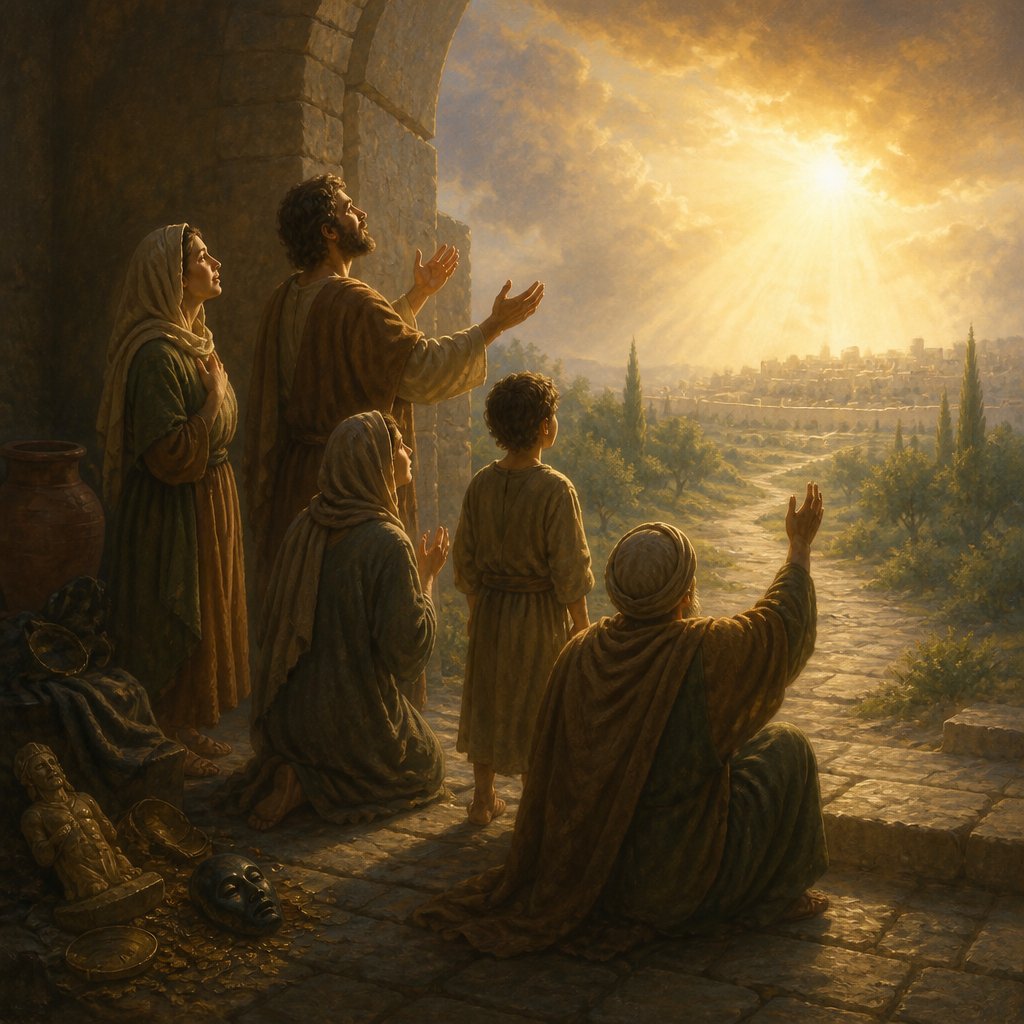
Artwork for Ephesians 5:3-5

Ephesians 5:3-5 - "But among you there must not be even a hint of sexual immorality, or of any kind of impurity, or of greed, because these are improper for God’s holy people. Nor should there be obscenity, foolish talk or coarse joking, which are out of place, but rather thanksgiving. For of this you can be sure: No immoral, impure or greedy person—such a person is an idolater—has any inheritance in the kingdom of Christ and of God."
"But among you there must not be even a hint of sexual immorality, or of any kind of impurity, or of greed, because these are improper for God’s holy people. Nor should there be obscenity, foolish talk or coarse joking, which are out of place, but rather thanksgiving. For of this you can be sure: No immoral, impure or greedy person—such a person is an idolater—has any inheritance in the kingdom of Christ and of God." - Ephesians 5:3-5

Ephesians 5:3 - "But fornication, and all uncleanness, or covetousness, let it not be once named among you, as becometh saints;"

Ephesians 3:5 - "Which in other ages was not made known unto the sons of men, as it is now revealed unto his holy apostles and prophets by the Spirit;"

Ephesians 5:21

Ephesians 4:1-5

Ephesians 4:1-5

Ephesians 4:1-5

Ephesians 4:1-5

Ephesians 4:1-5

Ephesians 4:1-5

Ephesians 4:1-5

Ephesians 4:1-5

Ephesians 4:1-5

Ephesians 4:1-5

Ephesians 4:1-5

Ephesians 4:1-5

Ephesians 4:1-5

Ephesians 4:1-5

Ephesians 4:1-5

Ephesians 4:1-5

Ephesians 4:1-5

Ephesians 4:1-5

Ephesians 4:1-5

Ephesians 4:4-5

Ephesians 4:1-5

Ephesians 4:1-5

Ephesians 4:1-5

Ephesians 4:1-5

Ephesians 4:1-5