What does Ephesians 5:8 mean?
“For ye were sometimes darkness, but now are ye light in the Lord: walk as children of light:” — Ephesians 5:8
Ephesians 5:8 in the King James Version reads, “For ye were sometimes darkness, but now are ye light in the Lord: walk as children of light.” Paul’s statement is not merely a reminder that believers once did wrong things and now should do better; it is a declaration about identity, source, and manner of life. He does not say, “ye were sometimes in darkness,” as though darkness were only an environment surrounding them. He says, “ye were sometimes darkness,” describing what they had been in their very condition apart from God. In contrast, he does not say, “now are ye in light,” but “now are ye light in the Lord,” teaching that the change is not only a change of setting but a change of what they are made to be, and that this new reality exists only “in the Lord,” not by human improvement or moral self-repair.
The immediate context of Ephesians 5 presses this point by surrounding it with commands that flow from the believer’s new position. Earlier in the chapter Paul urges, “Be ye therefore followers of God, as dear children; and walk in love, as Christ also hath loved us” (Ephesians 5:1–2). He then warns against sins that belong to the old life—“fornication,” “uncleanness,” “covetousness,” “filthiness,” “foolish talking,” and “jesting”—and he grounds these warnings in the reality that such practices are inconsistent with belonging to Christ’s kingdom (Ephesians 5:3–5). He adds, “Let no man deceive you with vain words” (Ephesians 5:6), because darkness often comes disguised as harmlessness, sophistication, or freedom. When Paul arrives at verse 8, he is explaining why these admonitions are not mere religious rules: believers have been transferred from one moral and spiritual reality to another. The verse functions like a hinge: it looks back to what they were and forward to how they must live.
The symbolism of “darkness” and “light” in Scripture carries moral, spiritual, and relational meaning. Darkness suggests ignorance of God, blindness of mind, hiddenness, and the practice of deeds that cannot endure exposure. In this chapter Paul will soon speak of “the unfruitful works of darkness” and will say, “it is a shame even to speak of those things which are done of them in secret” (Ephesians 5:11–12). Darkness is thus associated with secrecy and sterility—works that do not bear the kind of fruit God approves. Light, by contrast, signifies revelation, truth, purity, and life that can be examined without fear. In the same passage Paul says, “all things that are reproved are made manifest by the light: for whatsoever doth make manifest is light” (Ephesians 5:13). Light exposes what is false and brings what is true into view. It does not merely condemn; it clarifies, purifies, and guides.
When Paul says, “now are ye light in the Lord,” he points to union with Christ as the source of this transformation. The believer’s “light” is not self-generated moral brightness. It is derived—“in the Lord.” That phrase gathers up the earlier teaching of Ephesians about what God has done in Christ: the calling, the redemption, the sealing, the new humanity, the access to God, and the building together into a habitation of God (Ephesians 1–2). The significance is that Christian ethics is rooted in Christian identity. The believer does not become light by walking as a child of light; rather, because God has made the believer “light in the Lord,” the believer is commanded to “walk” accordingly. “Walk” in Ephesians is a key word for daily conduct, a steady pattern rather than a single act. It implies direction, consistency, and progress: a lived-out faith in ordinary life.
The phrase “children of light” adds further meaning. In Scripture, being someone’s “child” can speak of resemblance and belonging. To “walk as children of light” is to live in a way that fits one’s spiritual family, to resemble the character of the One who has called and changed them. In the flow of Ephesians 5, this will include discernment about what pleases the Lord—“proving what is acceptable unto the Lord” (Ephesians 5:10)—and separation from complicity with darkness—“have no fellowship with the unfruitful works of darkness, but rather reprove them” (Ephesians 5:11). Light is not passive; it is active in revealing and resisting what is contrary to God.
Ephesians 5:8 also carries a testimony theme. Light is visible by nature. If believers are “light in the Lord,” their lives become a kind of witness—not merely through words, but through a manner of life that makes truth more readily seen. This does not mean they are the source of salvation, but that their transformed conduct accords with the God who saves. Paul’s contrast, “ye were… but now,” highlights conversion as a decisive change: the old identity is not the believer’s present home. The verse therefore gives both humility and responsibility. Humility, because it reminds the believer what they once were without God. Responsibility, because it insists that the new life must be walked out, not merely confessed.
In sum, Ephesians 5:8 in the KJV teaches that the believer’s change in Christ is so deep that it can be described as moving from being “darkness” to being “light,” and that this new light is not autonomous but “in the Lord.” The command to “walk as children of light” calls for a daily life shaped by that new identity—open rather than hidden, fruitful rather than barren, truthful rather than deceptive, and consistent with the character of God who has brought them out of darkness and into His light.
Get our apps


Artwork for Ephesians 5:8

Ephesians 5:8 - "For ye were sometimes darkness, but now are ye light in the Lord: walk as children of light:"
!["For ye were sometimes darkness, but now [are ye] light in the Lord: walk as children of light:" - Ephesians 5:8](https://media.bible.art/f1f9b06d-152b-4bcb-b176-d2590a60de3c-thumbnail.jpg)
"For ye were sometimes darkness, but now [are ye] light in the Lord: walk as children of light:" - Ephesians 5:8
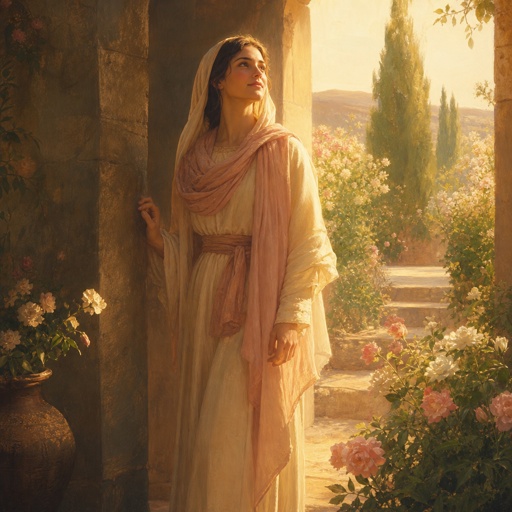
"For ye were sometimes darkness, but now are ye light in the Lord: walk as children of light:" - Ephesians 5:8
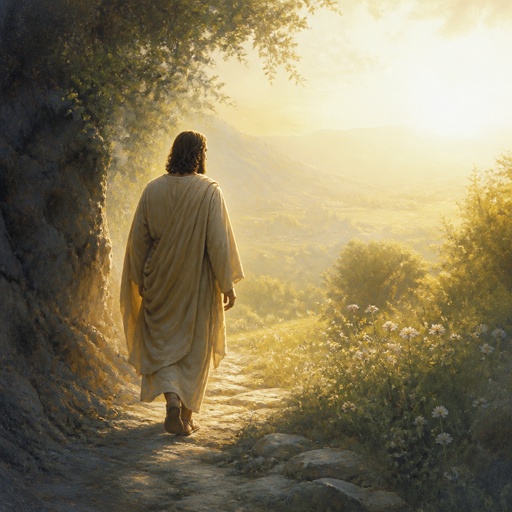
"For ye were sometimes darkness, but now are ye light in the Lord: walk as children of light:" - Ephesians 5:8

"For ye were sometimes darkness, but now are ye light in the Lord: walk as children of light:" - Ephesians 5:8

Ephesians 2:8

Ephesians 5:21

Ephesians 2:8-9

ephesians 2 8-9

Ephesians 4:1-5

Ephesians 4:1-5

Ephesians 4:1-5

Ephesians 4:1-5

Ephesians 4:1-5

Ephesians 4:1-5

Ephesians 4:1-5

Ephesians 4:1-5

Ephesians 4:1-5

Ephesians 4:1-5

Ephesians 4:1-5

Ephesians 4:1-5

Ephesians 4:1-5

Ephesians 4:1-5

Ephesians 4:1-5

Ephesians 4:1-5

Ephesians 4:1-5

Ephesians 4:1-5

Ephesians 4:1-5

Ephesians 4:4-5

Ephesians 4:1-5