What does Esther 3:4 mean?
“Now it came to pass, when they spake daily unto him, and he hearkened not unto them, that they told Haman, to see whether Mordecai’s matters would stand: for he had told them that he was a Jew.” — Esther 3:4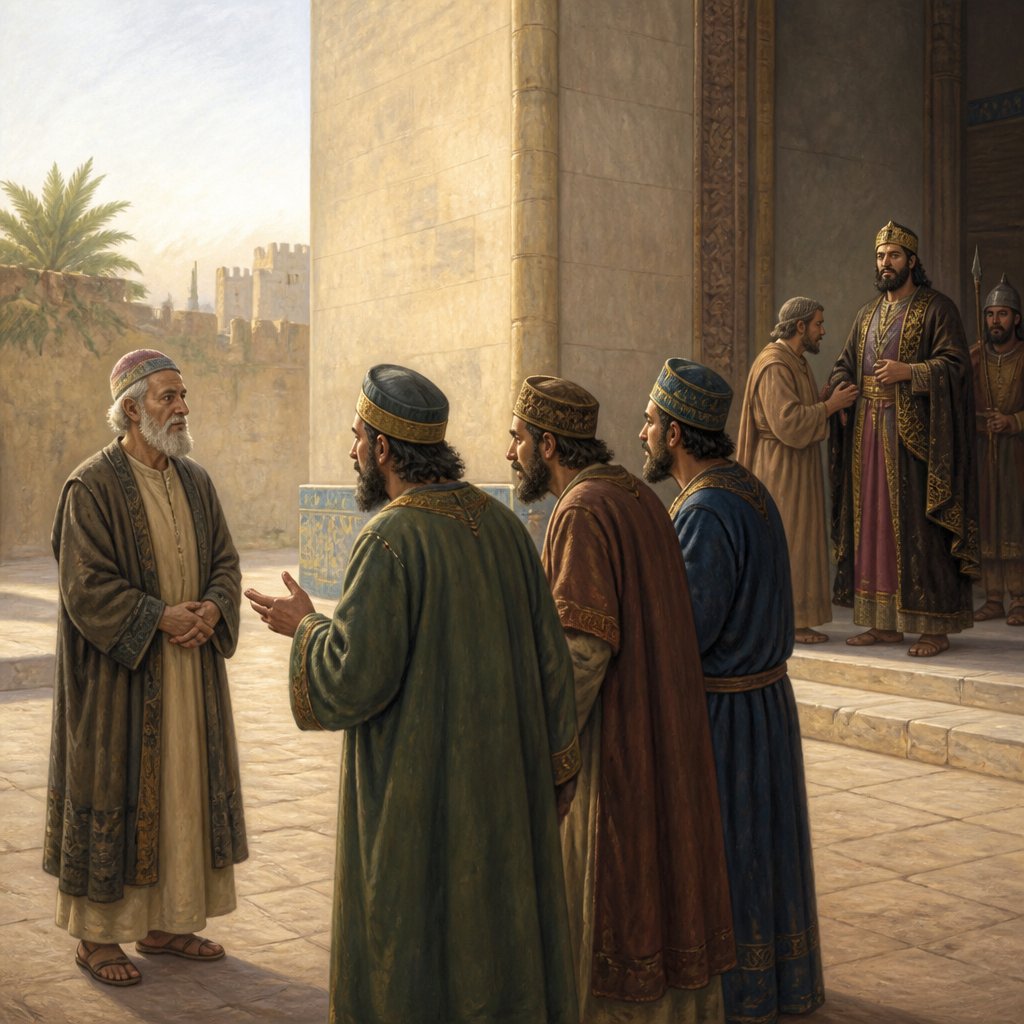
Esther 3:4 in the King James Version of the Bible states: "Now it came to pass, when they spake daily unto him, and he hearkened not unto them, that they told Haman, to see whether Mordecai's matters would stand: for he had told them that he was a Jew."
The book of Esther is a fascinating and complex book in the Hebrew Bible, set during the time of the Persian Empire. The story is a captivating narrative of a young Jewish woman named Esther who becomes the queen of Persia and ultimately uses her influence to save her people from a plot to annihilate them. The book is filled with themes of courage, faith, and God's providential care, and it is also a rich source of symbolism and figurative meaning.
In this particular verse, we are introduced to the character of Haman, a prominent advisor to King Ahasuerus. Haman is known for his deep-seated hatred of the Jewish people, particularly Mordecai, who is Esther's cousin and guardian. The verse describes how the people around Haman attempt to persuade him to take action against Mordecai, but despite their daily attempts, Haman steadfastly refuses to heed their counsel.
One of the primary themes in Esther 3:4 is the tension between obedience and rebellion. Haman's refusal to listen to the advice of those around him reflects his rebellious nature and stubbornness. This sets the stage for the unfolding conflict in the rest of the book, as Haman's pride and hatred lead to his plot to exterminate the Jewish people and his eventual downfall.
The verse also reveals the underlying power dynamics at play within the Persian court. The fact that Haman's associates felt the need to continually pressure him suggests that he held a position of significant authority, and his actions would have far-reaching consequences. This power dynamic sets the stage for the dramatic conflict between Haman and Mordecai, as well as the eventual intervention of Esther on behalf of her people.
Additionally, the verse serves as a prelude to the overarching theme of identity and faithfulness to one's heritage. Mordecai's unyielding devotion to his Jewish identity, even in the face of persecution and animosity, is a central theme in the book. His refusal to bow down to Haman, an act that symbolizes his refusal to compromise his beliefs, becomes a catalyst for the entire plot of the book.
The verse also contains rich symbolism, particularly in its portrayal of the inner turmoil of Haman's heart. The repeated attempts to sway Haman reveal the moral struggle within him, as he grapples with his personal convictions and the pressures of his position. This inner conflict foreshadows the eventual unraveling of Haman's carefully laid plans, as his own pride and malice lead to his downfall.
In conclusion, Esther 3:4 is a verse rich in thematic, contextual, and symbolic significance. It sets the stage for the unfolding drama of the book of Esther, highlighting themes of obedience and rebellion, power dynamics, and the tension between personal identity and external pressures. It also provides insight into the inner struggles of the characters, particularly Haman, and foreshadows the eventual resolution of the conflict. As with the entire book of Esther, this verse reminds us of the timeless truths of faithfulness, courage, and the providential care of God, even in the midst of adversity.
Get our apps


Artwork for Esther 3:4

Esther 3:4 - "Now it came to pass, when they spake daily unto him, and he hearkened not unto them, that they told Haman, to see whether Mordecai's matters would stand: for he had told them that he was a Jew."
"Now it came to pass, when they spake daily unto him, and he hearkened not unto them, that they told Haman, to see whether Mordecai's matters would stand: for he had told them that he was a Jew." - Esther 3:4

Esther 8:4 - "Then the king held out the golden sceptre toward Esther. So Esther arose, and stood before the king,"

Esther 4:15 - "¶ Then Esther bade them return Mordecai this answer,"

Esther 4:9 - "And Hatach came and told Esther the words of Mordecai."

Esther 4:3 - "And in every province, whithersoever the king's commandment and his decree came, there was great mourning among the Jews, and fasting, and weeping, and wailing; and many lay in sackcloth and ashes."

Esther 4:10 - "¶ Again Esther spake unto Hatach, and gave him commandment unto Mordecai;"

Esther 4:17 - "So Mordecai went his way, and did according to all that Esther had commanded him."

Esther 8:4

Esther 4:12 - "And they told to Mordecai Esther's words."

"And Hatach came and told Esther the words of Mordecai." - Esther 4:9

"¶ Then Esther bade them return Mordecai this answer," - Esther 4:15

Esther 4:13 - "Then Mordecai commanded to answer Esther, Think not with thyself that thou shalt escape in the king's house, more than all the Jews."

Esther 5:4 - "And Esther answered, If it seem good unto the king, let the king and Haman come this day unto the banquet that I have prepared for him."

Esther 5:3 - "Then said the king unto her, What wilt thou, queen Esther? and what is thy request? it shall be even given thee to the half of the kingdom."

"Then the king held out the golden sceptre toward Esther. So Esther arose, and stood before the king," - Esther 8:4

Esther 4:5 - "Then called Esther for Hatach, one of the king's chamberlains, whom he had appointed to attend upon her, and gave him a commandment to Mordecai, to know what it was, and why it was."
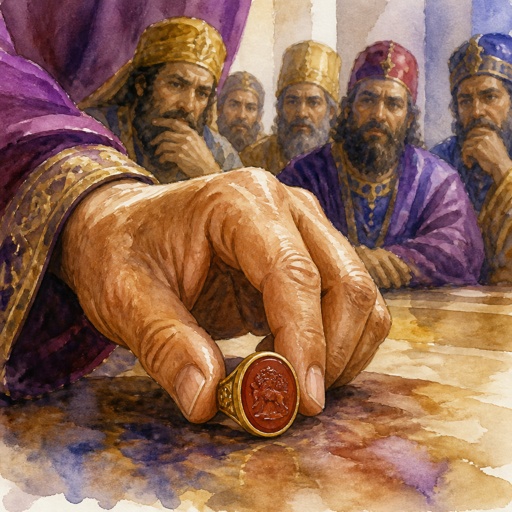
Esther 3:10 focus on ring

"¶ Again Esther spake unto Hatach, and gave him commandment unto Mordecai;" - Esther 4:10
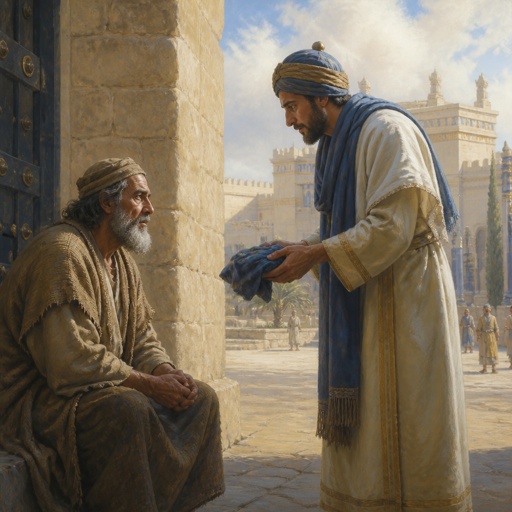
"And they told to Mordecai Esther's words." - Esther 4:12

Esther 3:3 - "Then the king's servants, which were in the king's gate, said unto Mordecai, Why transgressest thou the king's commandment?"

Esther 8:3 - "¶ And Esther spake yet again before the king, and fell down at his feet, and besought him with tears to put away the mischief of Haman the Agagite, and his device that he had devised against the Jews."

Esther 7:3 - "Then Esther the queen answered and said, If I have found favour in thy sight, O king, and if it please the king, let my life be given me at my petition, and my people at my request:"

"So Mordecai went his way, and did according to all that Esther had commanded him." - Esther 4:17
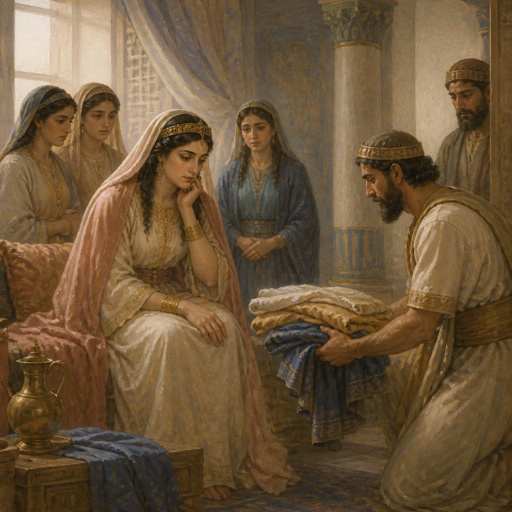
"¶ So Esther's maids and her chamberlains came and told it her. Then was the queen exceedingly grieved; and she sent raiment to clothe Mordecai, and to take away his sackcloth from him: but he received it not." - Esther 4:4

Esther 3:5 - "And when Haman saw that Mordecai bowed not, nor did him reverence, then was Haman full of wrath."

Esther 4:6 - "So Hatach went forth to Mordecai unto the street of the city, which was before the king's gate."

Esther 4:4 - "¶ So Esther's maids and her chamberlains came and told it her. Then was the queen exceedingly grieved; and she sent raiment to clothe Mordecai, and to take away his sackcloth from him: but he received it not."

Esther 4:2 - "And came even before the king's gate: for none might enter into the king's gate clothed with sackcloth."

Esther 4:8 - "Also he gave him the copy of the writing of the decree that was given at Shushan to destroy them, to shew it unto Esther, and to declare it unto her, and to charge her that she should go in unto the king, to make supplication unto him, and to make request before him for her people."