What does Esther 3:6 mean?
“And he thought scorn to lay hands on Mordecai alone; for they had shewed him the people of Mordecai: wherefore Haman sought to destroy all the Jews that were throughout the whole kingdom of Ahasuerus, even the people of Mordecai.” — Esther 3:6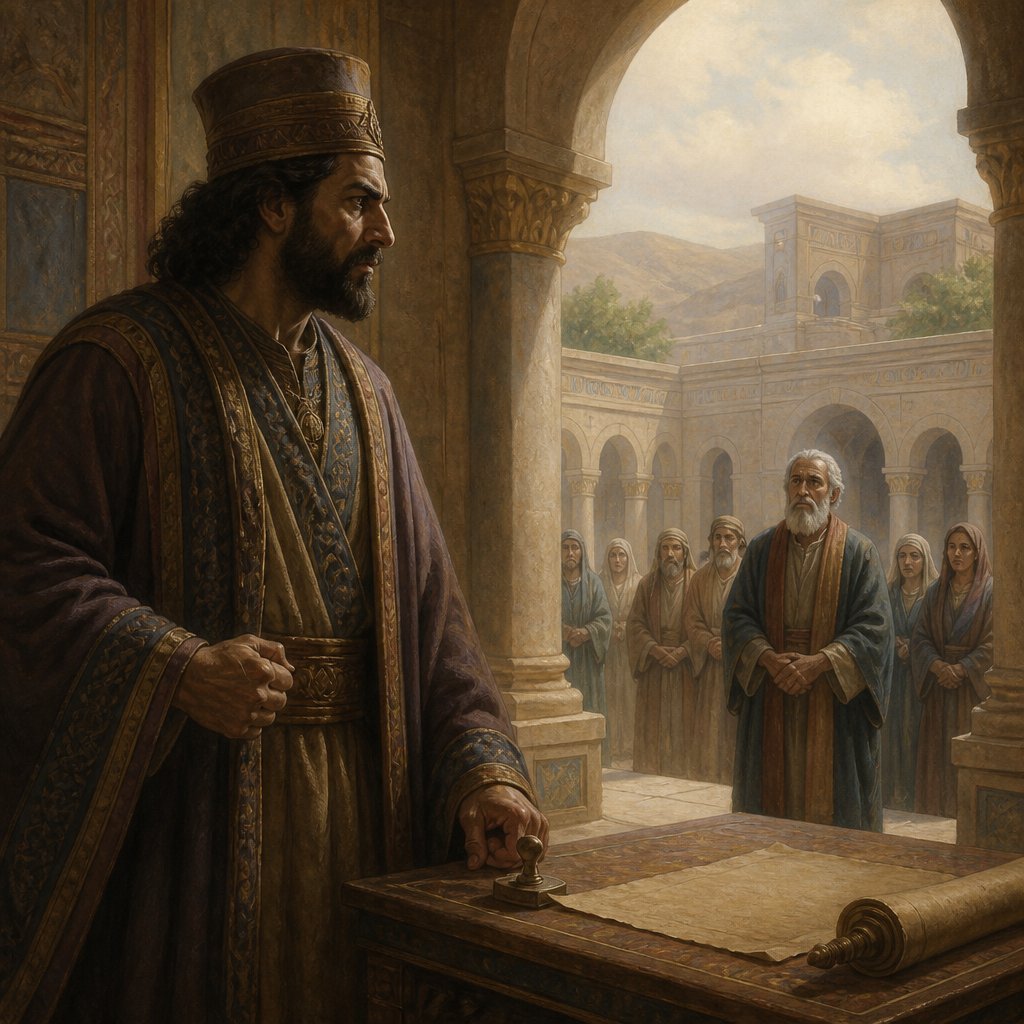
Esther 3:6 (KJV) states, "And he thought scorn to lay hands on Mordecai alone; for they had shewed him the people of Mordecai: wherefore Haman sought to destroy all the Jews that were throughout the whole kingdom of Ahasuerus, even the people of Mordecai."
The book of Esther is a historical narrative in the Old Testament that takes place during the time of the Persian Empire. It tells the story of a Jewish woman named Esther who becomes the Queen of Persia and saves her people from a plot to destroy them. The verse Esther 3:6 is a pivotal moment in the story, as it shows the evil intentions of Haman, a high-ranking official in the Persian court, towards the Jewish people.
The verse begins with the phrase "he thought scorn," which indicates Haman's deep-seated hatred and contempt for Mordecai, a Jewish man who refused to bow down to him. This refusal offended Haman to the point where he sought not only to kill Mordecai but to annihilate all the Jews in the kingdom. This verse provides insight into the character of Haman, who is driven by pride, anger, and a desire for revenge. His actions are a manifestation of the age-old conflict between good and evil, as he seeks to destroy an entire group of people due to his personal vendetta.
The context of Esther 3:6 is crucial to understanding its significance. Prior to this verse, Mordecai had angered Haman by refusing to bow down to him, which sparked Haman's desire for vengeance. Haman, in his rage, seeks to use his influence with King Ahasuerus to issue a decree to exterminate the Jewish people throughout the kingdom. This decree sets the stage for the central conflict of the book of Esther and creates a sense of urgency and impending doom for the Jewish people.
At its core, this verse embodies the theme of the struggle between good and evil, as well as the timeless battle between the forces of darkness and the forces of light. Haman's desire to destroy the Jews reflects the age-old conflict between righteousness and wickedness, and the willingness of some individuals to do whatever it takes to achieve their goals, regardless of the consequences for others.
Furthermore, this verse also symbolizes the potential for great evil to arise from pride, jealousy, and hatred. Haman's pride is wounded by Mordecai's refusal to bow down to him, and this leads him to seek revenge not only against Mordecai but against an entire people. His actions serve as a cautionary tale about the destructive power of unchecked emotions and the importance of maintaining humility and compassion towards others.
In the larger context of the book of Esther, this verse sets the stage for the rest of the narrative, as Esther must navigate the treacherous political landscape of the Persian court to thwart Haman's plot to exterminate her people. It highlights the courage and heroism of Esther, who risks her own life to save her people from certain destruction.
In conclusion, Esther 3:6 is a verse that captures the essence of the book of Esther and the fundamental themes of the struggle between good and evil, the destructive nature of pride and vengeance, and the powerful impact of individual actions on the collective fate of a people. It serves as a reminder of the enduring relevance of these themes in the human experience and the enduring power of faith, courage, and righteousness in the face of adversity.
Get our apps


Artwork for Esther 3:6
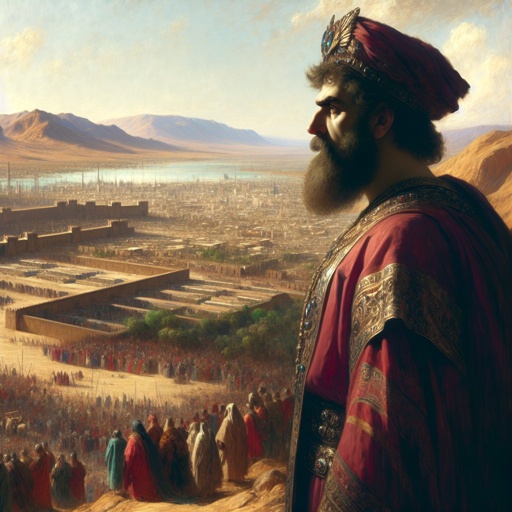
Esther 3:6 - "And he thought scorn to lay hands on Mordecai alone; for they had shewed him the people of Mordecai: wherefore Haman sought to destroy all the Jews that were throughout the whole kingdom of Ahasuerus, even the people of Mordecai."
"And he thought scorn to lay hands on Mordecai alone; for they had shewed him the people of Mordecai: wherefore Haman sought to destroy all the Jews that were throughout the whole kingdom of Ahasuerus, even the people of Mordecai." - Esther 3:6

Esther 6:3 - "And the king said, What honour and dignity hath been done to Mordecai for this? Then said the king's servants that ministered unto him, There is nothing done for him."

Esther 7:6 - "And Esther said, The adversary and enemy is this wicked Haman. Then Haman was afraid before the king and the queen."

Esther 1:6

Esther 6:14 - "And while they were yet talking with him, came the king's chamberlains, and hasted to bring Haman unto the banquet that Esther had prepared."

Esther 5:3 - "Then said the king unto her, What wilt thou, queen Esther? and what is thy request? it shall be even given thee to the half of the kingdom."

Esther 5:6 - "¶ And the king said unto Esther at the banquet of wine, What is thy petition? and it shall be granted thee: and what is thy request? even to the half of the kingdom it shall be performed."
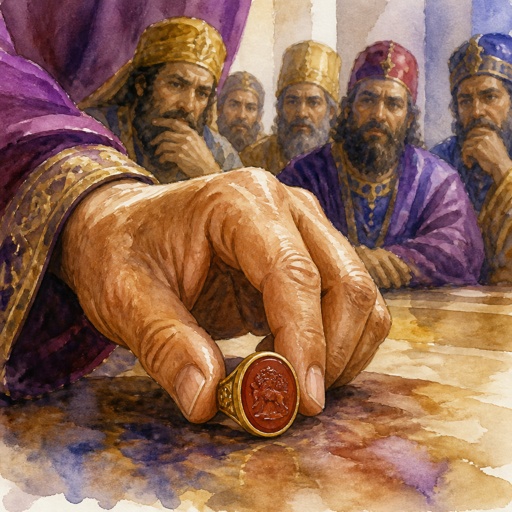
Esther 3:10 focus on ring

Esther 6:7 - "And Haman answered the king, For the man whom the king delighteth to honour,"

Esther 9:6 - "And in Shushan the palace the Jews slew and destroyed five hundred men."

Esther 3:3 - "Then the king's servants, which were in the king's gate, said unto Mordecai, Why transgressest thou the king's commandment?"

"And Esther said, The adversary and enemy is this wicked Haman. Then Haman was afraid before the king and the queen." - Esther 7:6

Esther 8:3 - "¶ And Esther spake yet again before the king, and fell down at his feet, and besought him with tears to put away the mischief of Haman the Agagite, and his device that he had devised against the Jews."

Esther 7:3 - "Then Esther the queen answered and said, If I have found favour in thy sight, O king, and if it please the king, let my life be given me at my petition, and my people at my request:"

Esther 4:6 - "So Hatach went forth to Mordecai unto the street of the city, which was before the king's gate."

Esther 3:5 - "And when Haman saw that Mordecai bowed not, nor did him reverence, then was Haman full of wrath."

Esther 6:5 - "And the king's servants said unto him, Behold, Haman standeth in the court. And the king said, Let him come in."

Esther 6:1 - "On that night could not the king sleep, and he commanded to bring the book of records of the chronicles; and they were read before the king."

Esther 6:12 - "¶ And Mordecai came again to the king's gate. But Haman hasted to his house mourning, and having his head covered."
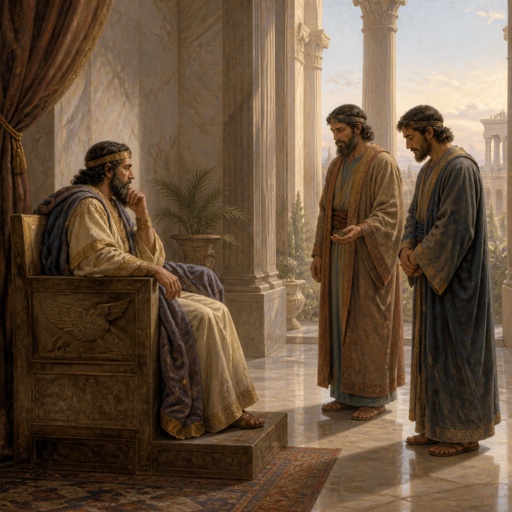
"And the king said, What honour and dignity hath been done to Mordecai for this? Then said the king's servants that ministered unto him, There is nothing done for him." - Esther 6:3

"And while they were yet talking with him, came the king's chamberlains, and hasted to bring Haman unto the banquet that Esther had prepared." - Esther 6:14

Esther 9:3 - "And all the rulers of the provinces, and the lieutenants, and the deputies, and officers of the king, helped the Jews; because the fear of Mordecai fell upon them."

Esther 3:14 - "The copy of the writing for a commandment to be given in every province was published unto all people, that they should be ready against that day."

Esther 3:11 - "And the king said unto Haman, The silver is given to thee, the people also, to do with them as it seemeth good to thee."

Esther 3:10 - "And the king took his ring from his hand, and gave it unto Haman the son of Hammedatha the Agagite, the Jews' enemy."

"And Haman answered the king, For the man whom the king delighteth to honour," - Esther 6:7

"And in Shushan the palace the Jews slew and destroyed five hundred men." - Esther 9:6

Esther 8:6 - "For how can I endure to see the evil that shall come unto my people? or how can I endure to see the destruction of my kindred?"

Esther 6:8 - "Let the royal apparel be brought which the king useth to wear, and the horse that the king rideth upon, and the crown royal which is set upon his head:"