What does Esther 4:6 mean?
“So Hatach went forth to Mordecai unto the street of the city, which was before the king’s gate.” — Esther 4:6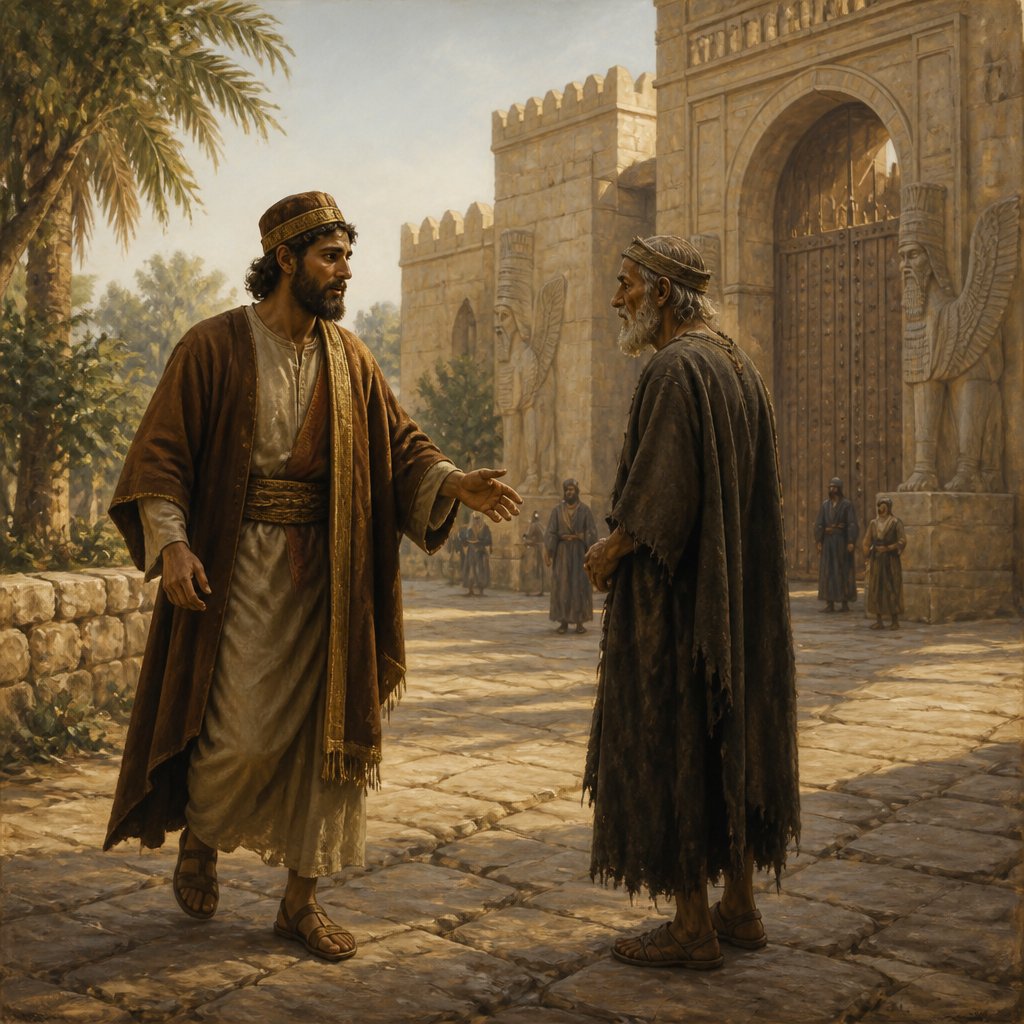
The Book of Esther is one of the most fascinating and compelling books in the Bible. It tells the story of a young Jewish girl named Esther who becomes the queen of Persia. The verse Esther 4:6 from the King James Version (KJV) reads, "So Hatach went forth to Mordecai unto the street of the city, which was before the king's gate."
In order to fully understand the meaning and significance of this verse, it is important to understand the context in which it is found. The book of Esther takes place during the Persian Empire, and it is a story of intrigue, courage, and divine intervention. The verse before Esther 4:6 describes how Mordecai learned of a plot to destroy the Jewish people, and he sends a message to Queen Esther asking for her to intercede on behalf of her people. Queen Esther is hesitant to go before the king, as it could mean risking her own life, and she asks for a message from Mordecai.
In this verse, Hatach is one of the eunuchs who served the queen, and Mordecai sends him to deliver a message to Queen Esther. The fact that Hatach "went forth to Mordecai unto the street of the city, which was before the king's gate" indicates the urgency and importance of the message. Mordecai's message is a plea for Queen Esther to go before the king and plead for the lives of her people.
One of the key themes of the book of Esther is the idea of divine providence. Throughout the story, we see how God works behind the scenes to protect and deliver His people. This verse is a crucial moment in the story, as it marks the beginning of Esther's brave decision to approach the king on behalf of her people. It is a pivotal moment in which Esther's faith and courage are put to the test, and it sets the stage for the dramatic events that unfold.
Symbolism is also important in understanding this verse. The fact that Mordecai sends Hatach to deliver the message to Queen Esther underscores the urgency and gravity of the situation. It also highlights the importance of communication in the story. Mordecai's message serves as a call to action for Esther, and it shows how crucial communication is in times of crisis.
Furthermore, the mention of the street before the king's gate adds a layer of symbolism. The city gate was a place where important decisions were made and where justice was administered. By sending Hatach to the street before the king's gate, Mordecai is emphasizing the weightiness of the message he is delivering. This is not just a personal plea from Mordecai to Esther, but a matter of life and death for the Jewish people.
In conclusion, Esther 4:6 from the King James Version of the Bible is a pivotal verse in the story of Esther. It represents a turning point in the narrative, as it marks the beginning of Esther's brave decision to approach the king on behalf of her people. The verse is rich in themes of faith, courage, and divine providence, and it is layered with symbolism that adds depth and meaning to the story. Ultimately, Esther's willingness to take a risk and stand up for what is right serves as an inspiring example of faith and courage for readers today.
Get our apps


Artwork for Esther 4:6

Esther 4:6 - "So Hatach went forth to Mordecai unto the street of the city, which was before the king's gate."
"So Hatach went forth to Mordecai unto the street of the city, which was before the king's gate." - Esther 4:6

Esther 8:4 - "Then the king held out the golden sceptre toward Esther. So Esther arose, and stood before the king,"

Esther 4:15 - "¶ Then Esther bade them return Mordecai this answer,"

Esther 4:9 - "And Hatach came and told Esther the words of Mordecai."

Esther 6:4 - "¶ And the king said, Who is in the court? Now Haman was come into the outward court of the king's house, to speak unto the king to hang Mordecai on the gallows that he had prepared for him."

Esther 4:10 - "¶ Again Esther spake unto Hatach, and gave him commandment unto Mordecai;"

Esther 7:6 - "And Esther said, The adversary and enemy is this wicked Haman. Then Haman was afraid before the king and the queen."

Esther 1:6

Esther 4:17 - "So Mordecai went his way, and did according to all that Esther had commanded him."

Esther 8:4

Esther 6:14 - "And while they were yet talking with him, came the king's chamberlains, and hasted to bring Haman unto the banquet that Esther had prepared."

Esther 4:12 - "And they told to Mordecai Esther's words."

"And Hatach came and told Esther the words of Mordecai." - Esther 4:9

"¶ Then Esther bade them return Mordecai this answer," - Esther 4:15

Esther 4:13 - "Then Mordecai commanded to answer Esther, Think not with thyself that thou shalt escape in the king's house, more than all the Jews."

Esther 5:4 - "And Esther answered, If it seem good unto the king, let the king and Haman come this day unto the banquet that I have prepared for him."

"Then the king held out the golden sceptre toward Esther. So Esther arose, and stood before the king," - Esther 8:4

Esther 5:6 - "¶ And the king said unto Esther at the banquet of wine, What is thy petition? and it shall be granted thee: and what is thy request? even to the half of the kingdom it shall be performed."

Esther 4:5 - "Then called Esther for Hatach, one of the king's chamberlains, whom he had appointed to attend upon her, and gave him a commandment to Mordecai, to know what it was, and why it was."

"¶ Again Esther spake unto Hatach, and gave him commandment unto Mordecai;" - Esther 4:10
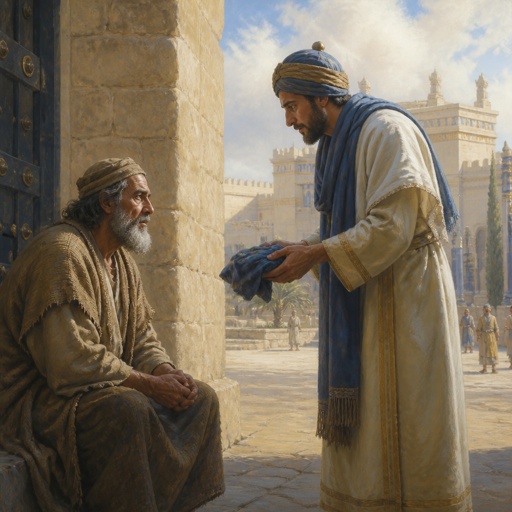
"And they told to Mordecai Esther's words." - Esther 4:12

Esther 6:7 - "And Haman answered the king, For the man whom the king delighteth to honour,"

Esther 9:6 - "And in Shushan the palace the Jews slew and destroyed five hundred men."

"And Esther said, The adversary and enemy is this wicked Haman. Then Haman was afraid before the king and the queen." - Esther 7:6

"So Mordecai went his way, and did according to all that Esther had commanded him." - Esther 4:17
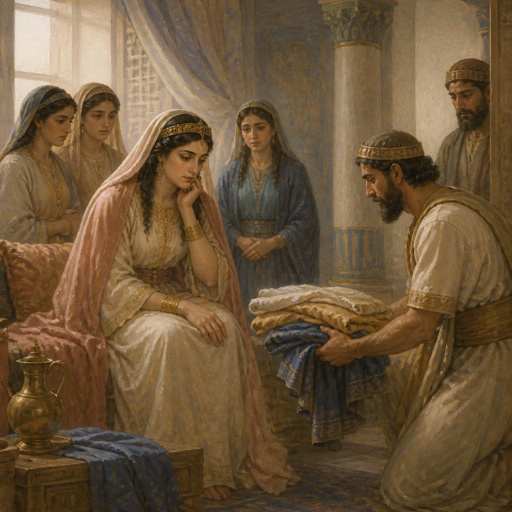
"¶ So Esther's maids and her chamberlains came and told it her. Then was the queen exceedingly grieved; and she sent raiment to clothe Mordecai, and to take away his sackcloth from him: but he received it not." - Esther 4:4

Esther 6:5 - "And the king's servants said unto him, Behold, Haman standeth in the court. And the king said, Let him come in."

Esther 6:1 - "On that night could not the king sleep, and he commanded to bring the book of records of the chronicles; and they were read before the king."

Esther 6:12 - "¶ And Mordecai came again to the king's gate. But Haman hasted to his house mourning, and having his head covered."