What does Esther 5:1 mean?
“Now it came to pass on the third day, that Esther put on her royal apparel, and stood in the inner court of the king’s house, over against the king’s house: and the king sat upon his royal throne in the royal house, over against the gate of the house.” — Esther 5:1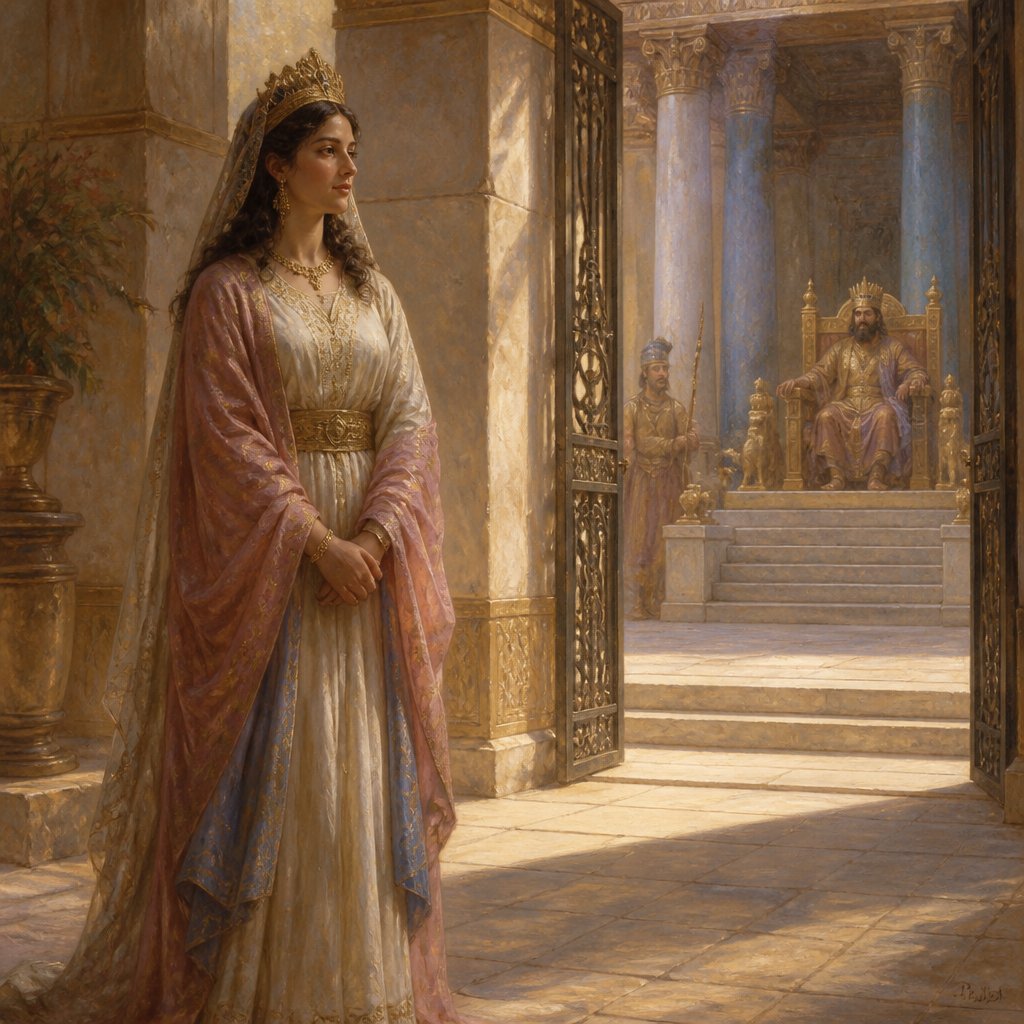
Esther 5:1 in the King James Version of the Bible reads, "Now it came to pass on the third day, that Esther put on her royal apparel, and stood in the inner court of the king's house, over against the king's house: and the king sat upon his royal throne in the royal house, over against the gate of the house."
This verse is a pivotal moment in the book of Esther, which is one of the most well-known and beloved stories in the Bible. The book of Esther is set during the reign of King Ahasuerus (also known as Xerxes I) in the Persian Empire, and it tells the story of a Jewish orphan named Esther who becomes queen and ultimately saves the Jewish people from a massacre planned by the king's wicked advisor, Haman.
The verse marks the beginning of Esther's bold and risky plan to intercede on behalf of her people. She puts on her royal attire, a symbol of her position and authority as queen, and approaches the king without being summoned. This is a highly dangerous and daring act, as the Persian king's rules dictated that anyone who approached him without being invited could be put to death, unless he extended his golden scepter to spare their life.
Esther's decision to approach the king in this way reflects her courage, faith, and selflessness. Despite the potential peril to her own life, she is willing to risk everything to save her people. Her action also shows her trust in God's providence and her belief that she has been placed in her position as queen "for such a time as this" (Esther 4:14).
The setting of the verse also holds significance. The fact that the king is seated on his royal throne in the royal house symbolizes his power and authority, while Esther, standing in the inner court of the king's house, demonstrates her determination to seek justice and mercy from the king.
The themes of courage, faith, and God's providence are central to the story of Esther, and this verse exemplifies them all. It also serves as a reminder of the importance of taking risks to stand up for what is right, even in the face of great danger. Esther's willingness to put her life on the line for the sake of her people is a powerful example of selfless love and sacrificial service.
Additionally, Esther's actions can be seen as a foreshadowing of Christ's sacrifice for humanity. Just as Esther endangered her life to save her people, Jesus willingly gave up his life to save all who believe in him. Esther's story thus serves as a type of Christ, pointing to the ultimate redemption and deliverance that comes through God's intervention.
In a broader sense, Esther 5:1 also speaks to the power of women in the biblical narrative. Esther's bravery and quick thinking in the face of a dire situation highlight the important role that women play in carrying out God's plans. Her story challenges traditional gender roles and expectations, showing that women can be strong, courageous, and pivotal figures in fulfilling God's purposes.
Overall, Esther 5:1 holds deep significance within the book of Esther and the broader biblical narrative. It serves as a powerful example of faith, courage, and selfless love, and it points to the ultimate deliverance and redemption found in God's providential care.
Get our apps


Artwork for Esther 5:1

Esther 5:1 - "Now it came to pass on the third day, that Esther put on her royal apparel, and stood in the inner court of the king's house, over against the king's house: and the king sat upon his royal throne in the royal house, over against the gate of the house."
"Now it came to pass on the third day, that Esther put on her royal apparel, and stood in the inner court of the king's house, over against the king's house: and the king sat upon his royal throne in the royal house, over against the gate of the house." - Esther 5:1

Esther 5:5 - "Then the king said, Cause Haman to make haste, that he may do as Esther hath said. So the king and Haman came to the banquet that Esther had prepared."

Esther 5:7 - "Then answered Esther, and said, My petition and my request is;"

Esther 5:2

Esther 5:2 - "And it was so, when the king saw Esther the queen standing in the court, that she obtained favour in his sight: and the king held out to Esther the golden sceptre that was in his hand. So Esther drew near, and touched the top of the sceptre."

Esther 5:2

Esther 5:2

Esther 5:4 - "And Esther answered, If it seem good unto the king, let the king and Haman come this day unto the banquet that I have prepared for him."
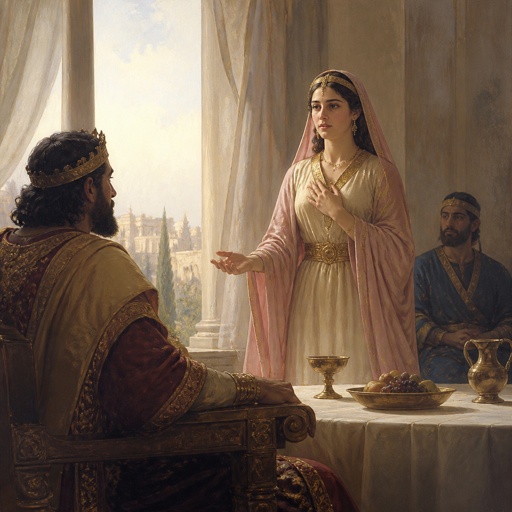
"Then answered Esther, and said, My petition and my request is;" - Esther 5:7

Esther 5:3 - "Then said the king unto her, What wilt thou, queen Esther? and what is thy request? it shall be even given thee to the half of the kingdom."

Esther 7:5 - "¶ Then the king Ahasuerus answered and said unto Esther the queen, Who is he, and where is he, that durst presume in his heart to do so?"

Esther 5:2 - "And it was so, when the king saw Esther the queen standing in the court, that she obtained favour in his sight: and the king held out to Esther the golden sceptre that was in his hand. So Esther drew near, and touched the top of the sceptre."
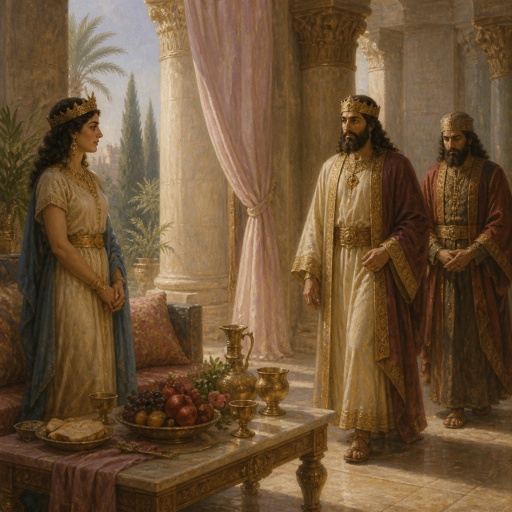
"Then the king said, Cause Haman to make haste, that he may do as Esther hath said. So the king and Haman came to the banquet that Esther had prepared." - Esther 5:5

Esther 4:5 - "Then called Esther for Hatach, one of the king's chamberlains, whom he had appointed to attend upon her, and gave him a commandment to Mordecai, to know what it was, and why it was."

Esther 7:1 - "So the king and Haman came to banquet with Esther the queen."

Esther 5:6 - "¶ And the king said unto Esther at the banquet of wine, What is thy petition? and it shall be granted thee: and what is thy request? even to the half of the kingdom it shall be performed."
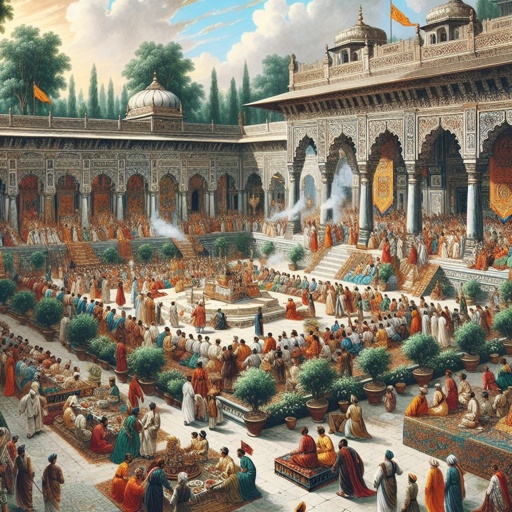
Esther 1:5 - "And when these days were expired, the king made a feast unto all the people that were present in Shushan the palace, both unto great and small, seven days, in the court of the garden of the king's palace;"

Esther 1:17

Esther 8:1 - "On that day did the king Ahasuerus give the house of Haman the Jews' enemy unto Esther the queen. And Mordecai came before the king; for Esther had told what he was unto her."

Esther 5:12 - "Haman said moreover, Yea, Esther the queen did let no man come in with the king unto the banquet that she had prepared but myself; and to morrow am I invited unto her also with the king."

Esther, the courageous queen

"So the king and Haman came to banquet with Esther the queen." - Esther 7:1

Esther 1:6

Esther 3:5 - "And when Haman saw that Mordecai bowed not, nor did him reverence, then was Haman full of wrath."
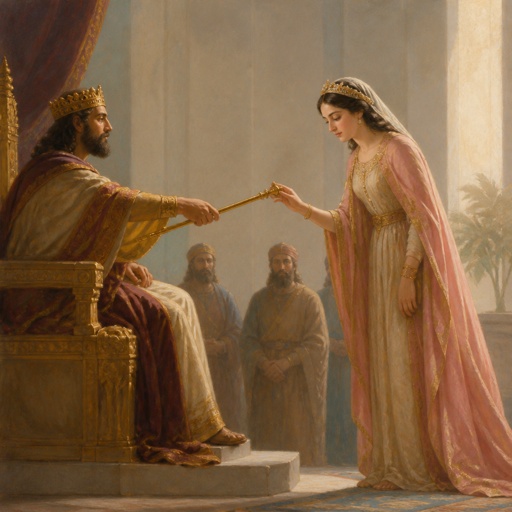
"And it was so, when the king saw Esther the queen standing in the court, that she obtained favour in his sight: and the king held out to Esther the golden sceptre that was in his hand. So Esther drew near, and touched the top of the sceptre." - Esther 5:2

Esther 6:5 - "And the king's servants said unto him, Behold, Haman standeth in the court. And the king said, Let him come in."

Esther 5:13 - "Yet all this availeth me nothing, so long as I see Mordecai the Jew sitting at the king's gate."

Esther 2:5 - "¶ Now in Shushan the palace there was a certain Jew, whose name was Mordecai, the son of Jair, the son of Shimei, the son of Kish, a Benjamite;"

Esther 5:10 - "Nevertheless Haman refrained himself: and when he came home, he sent and called for his friends, and Zeresh his wife."